

Imagine standing on one leg, your arms stretched forward, your body forming a straight line — strong, fearless, and free.
That’s the moment of truth in Warrior III (Virabhadrasana III) — a yoga pose that beautifully captures the balance between power and peace.
When you step into Warrior III, you’re not just doing a yoga posture.
You’re telling the universe:
“I can stand strong, even when life asks me to balance on a single thread.”
This pose challenges your physical body, sharpens your focus, and unlocks a sense of inner confidence that ripples into everything you do.
Whether you’re a beginner finding your footing or an advanced yogi perfecting your form, Warrior III is your gateway to discovering how powerful balance can truly be.
The Legend Behind Warrior III (Virabhadrasana III)
Like every yoga pose, Warrior III has a story — one that’s fierce and inspiring.
In ancient mythology, Virabhadra was a warrior created by Lord Shiva from a lock of his hair. He emerged from the earth, mighty and determined, to bring justice and balance.
When you perform Warrior III, you embody that very spirit — focus, determination, and strength — yet with compassion and grace.
The three “Warrior” poses in yoga — I, II, and III — represent a hero’s journey:
- Warrior I symbolizes the moment you take your stand.
- Warrior II represents the courage to face your challenges.
- Warrior III is the transformation — the point where strength meets serenity.
This final warrior stance is less about fighting the outside world and more about mastering your inner one.
What Makes Warrior III So Powerful
Warrior III (Virabhadrasana III) might look like a simple balancing pose, but it’s a full-body experience. It demands strength, stability, and stillness — all at once.
1. Builds Physical Strength
In Warrior III, every muscle in your body is alive.
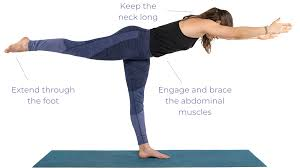
- Your standing leg supports your weight.
- Your arms and extended leg stretch in opposite directions.
- Your core engages to keep you steady.
It strengthens your legs, tones your back, sculpts your glutes, and activates your abs — all while teaching your body how to align perfectly.
2. Develops Balance and Focus
Standing on one leg might seem simple until you try it. Warrior III forces your mind to stay present — there’s no room for wandering thoughts.
This intense focus spills into your daily life, improving concentration, patience, and mental clarity.
3. Energizes and Awakens
The long extension in Warrior III encourages circulation, energizes your heart, and refreshes your entire nervous system.
Many yogis describe feeling light, uplifted, and confident after holding this pose — as if their body was charged with new life.
How to Practice Warrior III (Virabhadrasana III) Step-by-Step
To embody the essence of Warrior III, every movement should feel deliberate and full of awareness. Here’s a clear step-by-step guide to help you find your perfect balance:
| Step | Instructions | Focus Tip |
|---|---|---|
| 1 | Begin in Mountain Pose (Tadasana) — feet grounded, spine tall, breath steady. | Feel your feet rooted into the earth. |
| 2 | Shift your weight onto your right foot. | Keep your gaze forward. |
| 3 | Inhale and lift your left leg straight behind you as your torso leans forward. | Keep your body in one straight line. |
| 4 | Extend both arms forward (like airplane wings or palms together). | Engage your core muscles. |
| 5 | Flex your left foot and keep your hips squared to the floor. | Avoid tilting sideways. |
| 6 | Hold for 3–5 breaths. Feel the power in your leg and lightness in your spirit. | Breathe through the challenge. |
| 7 | Gently exhale, lower your left leg, and return to standing. | Smile — you did it! |
Repeat on the other side, giving equal time and attention.
The Inner Message of Warrior III
On the surface, Warrior III is about balance and strength.
But on a deeper level, it’s about trust — trusting yourself enough to lean forward, knowing you won’t fall.
This pose teaches you that growth often comes when you step out of your comfort zone.
Your trembling legs and shaky balance aren’t weaknesses — they’re signs that you’re building resilience.
“Balance isn’t about perfection. It’s about finding peace within motion.”
Every time you wobble and recover, you learn something new about patience, courage, and self-belief.
Emotional Benefits of Warrior III
Warrior III doesn’t just sculpt your body — it sculpts your mindset.
1. Confidence Booster
Standing on one leg while maintaining alignment takes courage and persistence. The moment you master this pose, a wave of confidence rushes through you.
You start to think, “If I can balance here, I can balance anywhere.”
2. Stress and Anxiety Relief
The focused breathing and mental stillness required in Warrior III calm your nervous system. It teaches your mind to stay in the moment — releasing worry and anxiety.
3. Enhances Mind-Body Connection
The synchronization of breath, movement, and focus creates a bridge between your physical and emotional worlds. You begin to feel more “in tune” with yourself — aware, grounded, and alive.
Common Mistakes and How to Fix Them
Even the strongest warriors stumble sometimes! Here are a few mistakes people make in Warrior III, and how you can correct them:
| Mistake | Effect | Fix |
|---|---|---|
| Lifting the back leg too high | Causes back strain | Keep hips level with the floor |
| Collapsing chest or shoulders | Breaks alignment | Lengthen spine, open chest |
| Locked standing knee | Puts pressure on joints | Keep a micro-bend in the knee |
| Forgetting to breathe | Creates tension | Inhale strength, exhale release |
| Tilting sideways | Loses balance | Square hips and engage core |
Remember, yoga is a practice, not a performance. Every wobble is a whisper of progress.
Warrior III in Everyday Life
Warrior III is more than a yoga pose — it’s a life lesson.
When you practice this pose regularly, you start to see changes beyond the mat:
- You handle pressure better.
- You move with purpose.
- You face challenges with grace.
- You find balance between ambition and peace.
It’s amazing how one pose can mirror life so perfectly — teaching you that even when everything seems unstable, you can still find your center.
Breathing Through the Pose
Breath is your best friend in Warrior III. Without it, the pose feels heavy and difficult; with it, you become light and powerful.
Try this rhythm:
- Inhale — feel length through your arms and legs.
- Exhale — root deeper into your standing foot.
As your breath deepens, your focus sharpens. The body moves like a river, steady and strong.
The Mindful Warrior Within
Warrior III is also known as the Pose of Conscious Action.
It demands your full awareness. Every second, your mind and body must work together — adjusting, breathing, refining.
When you step into this posture, let go of comparison. Don’t think about how it looks; think about how it feels.
That’s where the real magic lies.
Why “Warrior III” is More Than Just a Pose
If you’ve ever stood in Warrior III for longer than a few breaths, you know it’s not easy. Your leg quivers, your balance wavers, your breath shortens — and that’s exactly where transformation begins.
In life, strength rarely comes from comfort. It’s born from resistance, persistence, and resilience.
When you wobble in Warrior III, you’re not failing; you’re growing. Each adjustment, each fall, and each recovery is a lesson in humility and determination.
“Warrior III teaches us not just to stand tall, but to stay centered when everything tries to pull us off balance.”
That’s the real meaning of being a warrior — staying calm amid life’s movement.
The Energy Flow in Warrior III
According to yogic philosophy, energy (prana) moves in specific directions throughout the body. In Warrior III, these energies flow powerfully — uniting your mind and body like never before.
- The downward energy (Apana) roots you through your standing leg, grounding your spirit.
- The upward energy (Prana Vayu) lifts your arms and heart, inspiring courage and focus.
- The outward energy (Vyana Vayu) expands through your limbs, connecting your entire being into one line of strength.
This creates a current of vitality — a powerful energetic balance between stability and freedom.
Benefits of Practicing Warrior III Regularly
If practiced mindfully, Warrior III (Virabhadrasana III) transforms not only your physical body but also your mindset and emotional well-being.
Here’s a closer look at its multi-dimensional benefits:
| Category | Benefits |
|---|---|
| Physical | Strengthens legs, glutes, and back; improves posture; enhances balance and core stability |
| Mental | Boosts focus and concentration; sharpens decision-making; relieves mental fatigue |
| Emotional | Builds confidence, inner peace, and patience; reduces stress and anxiety |
| Spiritual | Deepens awareness; harmonizes body and breath; promotes mindfulness and connection |
Practicing this pose consistently builds a sense of inner authority — a quiet assurance that you can handle whatever comes your way.
Advanced Variations of Warrior III (Virabhadrasana III)
Once you feel comfortable holding the traditional pose, it’s time to explore some creative and advanced variations to deepen your connection with it.
1. Warrior III with Prayer Hands (Anjali Mudra)
Instead of stretching your arms forward, bring your palms together at your chest.
This helps focus your energy inward, symbolizing balance within rather than external strength.
2. Warrior III with Cactus Arms
Bend your elbows at 90 degrees (like a goalpost). This variation opens your chest and shoulders, promoting better breathing and heart expansion.
3. Flying Warrior (Arms by the Side)
Let your arms stretch alongside your body, palms facing down. It gives a sensation of soaring, encouraging a feeling of freedom and lightness.
4. Block Support Warrior
If you struggle with balance, place yoga blocks under your hands or fingertips for added stability. Slowly build confidence before moving into the full version.
5. Wall-Assisted Warrior III
Stand facing a wall and lightly press your fingertips against it as you raise your back leg. This variation refines alignment while offering support.
Each variation isn’t about making the pose look better — it’s about meeting your body where it is today.
Breathing and Mindfulness in Warrior III
Your breath is the silent guide in every yoga pose — especially in Warrior III.
When balance becomes tough, your instinct might be to hold your breath. But that only builds tension. Instead, invite the breath to flow freely.
Try this mindful breathing pattern:
- Inhale: Lift your heart slightly, lengthening your spine.
- Exhale: Extend your back leg and arms further, feeling strength through your entire body.
- Inhale: Focus your gaze (drishti) forward, staying steady.
- Exhale: Release any tension in your shoulders or jaw.
With every breath, your balance becomes more natural. The mind stops fighting — and starts flowing.
The Emotional Power of Warrior III
Warrior III (Virabhadrasana III) can bring up emotions — frustration, fear, even self-doubt — especially when balance feels impossible.
But every time you fall, something deeper is happening: you’re learning self-compassion.
You start to understand that strength isn’t about rigidity; it’s about flexibility — the ability to bend, adapt, and rise again.
“True balance begins when you stop resisting the wobble.”
That’s the beauty of Warrior III — it mirrors your emotional growth. It shows you that even when life feels shaky, your foundation can still be strong.
Warrior III as a Metaphor for Life
Think about it — we all walk through life balancing multiple things at once: work, relationships, emotions, dreams.
Sometimes we stumble; sometimes we soar.
Practicing Warrior III reminds you that balance is not static — it’s a living, breathing state.
Every moment on the mat is like every moment in life:
- You find your ground.
- You focus on your goal.
- You extend yourself with courage.
- You hold your balance through uncertainty.
That’s not just yoga. That’s life mastery.
How to Integrate Warrior III Into a Flow
You can combine Warrior III beautifully into many yoga sequences to build strength and grace.
Here’s an example of a mini-sequence that includes Warrior III:
| Pose | Duration |
|---|---|
| Mountain Pose (Tadasana) | 3 breaths |
| Warrior I (Virabhadrasana I) | 5 breaths |
| Transition to Warrior III | 5–8 breaths |
| Standing Split | 3 breaths |
| Forward Fold (Uttanasana) | 5 breaths |
| Mountain Pose | 3 breaths |
This smooth sequence helps transition energy from groundedness to dynamic strength, giving your practice both flow and focus.
Safety and Alignment Tips
Even seasoned yogis can lose balance or strain muscles in Warrior III if alignment isn’t correct. Here are a few gentle reminders to keep your body safe:
- Always warm up your legs, hips, and hamstrings before entering the pose.
- Keep a soft bend in your standing knee to protect your joints.
- Engage your core muscles — they’re your secret weapon for balance.
- Focus your eyes on a fixed point (Drishti) to stabilize your mind.
- Avoid rushing. Slow transitions help build long-term control.
Remember: balance is built with patience, not perfection.
How Long Should You Hold Warrior III?
For beginners, 10–15 seconds on each side is a great start.
As your strength and endurance improve, work your way up to 30 seconds or even 1 minute.
The key is to maintain quality over quantity.
Holding the pose for too long with poor form can lead to strain — it’s better to practice shorter holds with awareness.
Warrior III for the Modern Lifestyle
In our busy, tech-driven world, we often feel scattered — multitasking, rushing, and juggling endless to-do lists.
Practicing Warrior III regularly offers a beautiful remedy for that chaos. It helps retrain your mind to focus on one thing at a time — one breath, one moment, one movement.
It’s the kind of mindfulness that modern life desperately needs.
Imagine starting your morning with this pose — just one minute of deep concentration, balance, and stillness.
You’d carry that calm focus into the rest of your day, no matter how hectic it gets.
Pairing Warrior III with Meditation and Intention
One of the most powerful ways to deepen your experience of Warrior III is to combine it with meditation or affirmation.
Before practicing, take a deep breath and set an intention like:
“I am strong, I am balanced, I am focused.”
Repeat it silently as you hold the pose.
You’ll be amazed at how this small practice transforms your mental state — from striving to flowing.
Common Challenges and Emotional Blocks
When you first attempt Warrior III, you might feel frustration, imbalance, or even fear of falling. These are not obstacles — they are emotional signals.
- Fear of falling reflects your need for control.
- Frustration reveals your attachment to perfection.
- Wobbling symbolizes life’s unpredictability.
The pose becomes a metaphor: to find peace, you must surrender control.
Every fall teaches humility; every recovery strengthens courage.
That’s the emotional alchemy of Warrior III — it turns struggle into self-trust.
What the Warrior Spirit Really Means
The term “Warrior” in yoga isn’t about violence or conquest. It’s about inner bravery — the courage to face yourself.
In Warrior III, your only opponent is distraction.
Your only weapon is focus.
Your only victory is peace.
That’s what makes this pose so deeply meaningful — it reflects the silent power of a heart that refuses to give up.
After the Pose: Finding Stillness
Once you complete Warrior III, always take a moment to stand still in Mountain Pose (Tadasana) or rest in Child’s Pose (Balasana).
Let your breath return naturally.
Feel your heartbeat slow down.
Notice how light and calm you feel.
That’s your body saying thank you — not just for the physical movement, but for the emotional release that came with it.
Final Thoughts: Becoming the Peaceful Warrior
Warrior III (Virabhadrasana III) isn’t about how long you can hold the pose.
It’s about how deeply you can connect with yourself while holding it.
Every second in that balance teaches you something profound:
- Strength doesn’t need to be loud.
- Balance doesn’t mean stillness — it means harmony.
- Falling isn’t failing — it’s learning where your limits live.
In a world that constantly asks us to do more, go faster, and achieve endlessly, Warrior III offers a quiet truth:
“You already have everything you need — strength, peace, and grace — within you.”
So next time you step onto your mat, lift your leg, reach forward, and breathe.
Let your body become a line of purpose, your breath a song of calm, and your mind a field of silence.
You are the Warrior — balanced, brave, and beautifully human.