

Introduction
Flexibility is often seen as the gateway to mastering yoga — that magical balance between strength and softness, effort and ease. But for many beginners, yoga can feel intimidating. You watch others move gracefully into deep poses and wonder, “Will I ever be able to do that?”
The truth is, yoga isn’t about touching your toes — it’s about what you learn on the way down. Flexibility is not a fixed trait; it’s something you can improve with awareness, patience, and practice. Whether you’re stiff from sitting all day, recovering from stress, or simply curious to move more freely, learning how to improve flexibility for yoga will open not just your body, but also your mind.
In this detailed guide, we’ll explore everything you need to know — from practical stretches to mental techniques — to transform your flexibility and your yoga practice.
1. Understanding Flexibility: What It Really Means
Before diving into techniques, it’s essential to understand what flexibility truly is.
Flexibility refers to the ability of your muscles and joints to move through their full range of motion. However, flexibility isn’t just physical; it’s also about the relationship between mind, body, and breath.
Many people believe they’re “not flexible,” but flexibility isn’t a gift you’re born with — it’s a skill you can develop. Each time you breathe deeply into a pose, your muscles relax, your mind opens, and your body adapts. Over time, this consistent effort builds lasting flexibility and mobility.
In essence, learning how to improve flexibility for yoga means learning how to listen — to your body’s limits, to your breath, and to the stillness between movements.
2. The Mindset Behind Flexibility
Flexibility starts in the mind.
If you approach yoga with frustration or self-judgment, your body naturally resists. But when you practice with patience, curiosity, and self-compassion, your body begins to soften and respond.
Think of flexibility as a conversation, not a command. You’re not forcing your body; you’re asking it gently to release tension and open up.
To build the right mindset:
- Let go of comparison. Everyone’s body is different — flexibility depends on genetics, lifestyle, and practice.
- Be consistent, not intense. Short, regular sessions work far better than one long, exhausting stretch.
- Breathe through discomfort. Deep breathing signals your nervous system to relax, allowing deeper stretches safely.
If you can shift your mindset from “I can’t” to “I’m learning,” you’ve already taken the first step in mastering how to improve flexibility for yoga.
3. Why Flexibility Matters in Yoga
Flexibility isn’t about showing off in complex poses — it’s about creating freedom in your body.
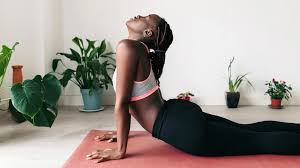
When your muscles are supple and joints are mobile, you move with more ease and less pain. This not only enhances your yoga performance but also improves your everyday life — walking, sitting, standing, and even sleeping feel more comfortable.
Benefits of improved flexibility include:
| Physical Benefits | Mental Benefits |
|---|---|
| Better posture and alignment | Increased focus and patience |
| Reduced risk of injury | Improved body awareness |
| Enhanced blood circulation | Lower stress and anxiety |
| Greater range of motion | Sense of calm and confidence |
Flexibility teaches you to move with grace — on and off the mat.
4. Common Myths About Flexibility and Yoga
When learning how to improve flexibility for yoga, it’s important to clear up a few misconceptions that hold people back:
- “I’m not flexible enough to do yoga.”
That’s like saying you’re too dirty to take a bath. Yoga builds flexibility; it doesn’t require it. - “Flexibility only comes with age or genetics.”
While genetics play a small role, anyone can improve flexibility through consistent practice. - “You have to stretch deeply to see results.”
Not true. Gentle, sustained stretches are often more effective and safer than pushing too far. - “Yoga is just stretching.”
Yoga integrates movement, breath, and mindfulness — flexibility is just one of its gifts.
Understanding these truths helps you approach your journey with confidence and patience.
5. Preparing the Body: The Role of Warm-Up
A good warm-up is essential for flexibility training. Muscles stretch better when they’re warm, reducing the risk of strain.
Before practicing yoga, try these short warm-ups:
- Neck rolls – Loosen tension in the neck and shoulders.
- Shoulder circles – Increase mobility and circulation.
- Cat-Cow stretches – Warm up the spine.
- Hip rotations – Open the hip joints gently.
- Light jogging or jumping jacks – Elevate body temperature.
Spend at least 5–10 minutes warming up before diving into deeper poses.
6. Yoga Poses to Improve Flexibility
Here’s where your practice begins to bloom. The best way to learn how to improve flexibility for yoga is to focus on poses that stretch multiple muscle groups gradually and safely.
Below is a list of poses categorized by body area:
| Area of Focus | Yoga Poses | Benefits |
|---|---|---|
| Hips | Pigeon Pose, Butterfly Pose, Lizard Pose | Releases tension and improves hip mobility |
| Hamstrings | Forward Fold, Half Splits, Downward Dog | Lengthens the back of the legs |
| Back | Cobra Pose, Bridge Pose, Cat-Cow | Increases spinal flexibility |
| Shoulders | Eagle Arms, Cow Face Pose, Thread the Needle | Enhances upper body range of motion |
| Full Body | Sun Salutations, Triangle Pose, Crescent Lunge | Builds strength and fluidity throughout the body |
Practicing these poses daily or every other day helps your body naturally adapt and open up over time.
7. How Breath Affects Flexibility
Breath and flexibility are inseparable. When you breathe deeply, you send oxygen to your muscles, allowing them to relax and lengthen.
Try this simple breathing pattern while stretching:
- Inhale – Prepare your body, lengthen your spine.
- Exhale – Gently deepen into the stretch.
- Pause briefly – Feel the calm between breaths.
Breath awareness transforms stretching into a mindful practice. The more relaxed your breathing, the more your body opens — effortlessly and safely.
This is one of the most powerful secrets in how to improve flexibility for yoga.
8. Daily Stretching Routine for Flexibility
Here’s a sample 20-minute daily routine to help you become more flexible for yoga:
| Time (Minutes) | Activity | Focus Area |
|---|---|---|
| 0–3 | Gentle warm-up (Cat-Cow, Neck rolls) | Whole body |
| 3–7 | Forward Fold and Half Splits | Hamstrings |
| 7–10 | Butterfly Pose | Hips |
| 10–13 | Cobra and Bridge Pose | Spine |
| 13–16 | Thread the Needle | Shoulders |
| 16–18 | Downward Dog | Full body |
| 18–20 | Child’s Pose | Relaxation and recovery |
The goal isn’t perfection — it’s consistency. Even five minutes a day is better than one long session per week.
9. Nutrition and Hydration for Flexibility
What you eat and drink also affects your flexibility. Muscles need hydration and nutrients to stay elastic and strong.
For better flexibility:
- Drink plenty of water throughout the day.
- Include magnesium and potassium-rich foods like bananas, spinach, avocados, and almonds.
- Avoid processed foods that cause inflammation and stiffness.
- Eat anti-inflammatory foods like berries, turmeric, and green tea.
A healthy body moves more freely — and a nourished body recovers faster from stretches.
10. Rest and Recovery: The Secret to Lasting Flexibility
Flexibility doesn’t grow while you’re stretching — it develops while you’re resting.
Rest allows your muscles to rebuild, adapt, and remember new movement patterns. Overtraining or stretching too aggressively can lead to micro-tears and soreness.
To optimize recovery:
- Get 7–8 hours of quality sleep each night.
- Take rest days between intense sessions.
- Use gentle foam rolling to release tension.
- Try yin yoga or meditation on rest days.
Recovery is not laziness — it’s progress in disguise.