

Sleep is one of the simplest yet most precious gifts in life. It’s the body’s natural way to heal, restore, and prepare for a new day. Yet in our fast-moving world, peaceful sleep has become almost a luxury. So many people go to bed tired but not truly rested. Minds keep racing, bodies feel restless, and the quiet of night often becomes another battlefield for thoughts. In moments like this, something gentle yet powerful is needed — something that helps you relax not just your body but also your heart. That’s where yoga steps in.
Yoga is not merely a physical exercise; it’s a conversation between body and soul. When practiced before bedtime, yoga offers a safe and natural way to calm the mind and release the day’s tension. It is about finding balance, slowing down, and preparing your body to embrace deep rest. The beauty of yoga poses for better sleep lies in their simplicity and their power to bring stillness.
Many people believe yoga is only about flexibility or fitness, but that’s far from the truth. The right yoga poses can help regulate your nervous system, lower stress levels, and create the perfect environment for a night of rejuvenating sleep. When your breath softens, your muscles release, and your thoughts quiet down, sleep becomes effortless.
Why Sleep Matters More Than You Think
Sleep is more than just rest; it’s the foundation of your mental and physical health. During deep sleep, your body repairs tissues, strengthens memory, and resets emotional balance. Yet stress, anxiety, and poor lifestyle habits often disrupt this essential rhythm. Lack of sleep affects not just your energy levels but your mood, focus, and even the way you interact with others.
If you’ve ever woken up feeling heavy, groggy, or irritated even after several hours in bed, it’s not just about how long you sleep — it’s about the quality of that sleep. Quality sleep requires a relaxed mind and a body free from tension. This is exactly what yoga helps you achieve. Practicing yoga poses for better sleep prepares you to rest deeply, so you wake up refreshed and renewed.
How Yoga Influences Sleep
Yoga works gently on the nervous system, reducing cortisol (the stress hormone) and increasing melatonin, which helps regulate your sleep cycle. Through slow, controlled breathing and mindful movement, yoga activates the parasympathetic nervous system — the part responsible for relaxation. When this system is active, your heart rate slows, your muscles relax, and your mind naturally shifts from alertness to calmness.
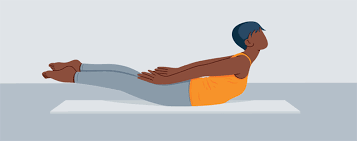
Each yoga pose, when done with awareness, carries a unique benefit. Some poses stretch the spine and open the chest, releasing physical stress stored during the day. Others encourage grounding, soothing your thoughts and promoting inner stillness. The beauty of yoga lies in how these postures connect movement with breath, creating a rhythm that mirrors the heartbeat of peace.
Preparing Your Space and Mind
Before you begin your nighttime yoga, create a quiet space. Dim the lights, turn off screens, and let silence fill the air. Maybe light a candle or play soft, instrumental music. This small act of preparation signals your body that it’s time to unwind.
Wear loose, comfortable clothing, and practice on a mat or a soft rug. You don’t need much — just a willingness to be present. Yoga is not about perfection but presence. As you begin to practice yoga poses for better sleep, focus less on how you look and more on how you feel.
The Best Yoga Poses for Better Sleep
Let’s explore some of the most effective yoga poses for better sleep. Each of these postures has been chosen for its ability to calm the mind, release tension, and prepare the body for deep rest.
- Child’s Pose (Balasana)
Child’s Pose is the perfect starting point for relaxation. It gently stretches the back, hips, and shoulders while calming the nervous system. To do it, kneel on your mat, bring your big toes together, and sit back on your heels. Lower your torso forward until your forehead touches the mat and extend your arms ahead. Take slow breaths. With every exhale, feel your body sinking deeper into comfort. - Legs-Up-The-Wall Pose (Viparita Karani)
This pose helps drain tension from tired legs and improves circulation. Sit close to a wall, lie back, and extend your legs up against the wall. Let your arms rest beside you. Breathe deeply and close your eyes. It’s one of the simplest yet most powerful yoga poses for better sleep because it relaxes the lower back and soothes the mind almost instantly. - Reclined Butterfly Pose (Supta Baddha Konasana)
Lie on your back, bring the soles of your feet together, and let your knees fall open. Place your hands on your belly or beside you. This pose releases tightness in the hips, where much emotional tension is stored. Focus on your breath — in through the nose, out through the mouth — allowing your body to soften with every exhale. - Cat-Cow Pose (Marjaryasana-Bitilasana)
A gentle flow that connects breath and movement. Start on all fours, inhale as you arch your back (Cow Pose), and exhale as you round it (Cat Pose). This rhythmic motion releases stiffness in the spine and promotes awareness of the breath. It’s especially useful if you spend long hours sitting during the day. - Seated Forward Bend (Paschimottanasana)
This pose quiets the mind while stretching the entire back body. Sit with your legs extended, inhale to lengthen your spine, and exhale as you fold forward, reaching toward your feet. Don’t push yourself; let gravity do the work. The purpose is to surrender — not to stretch deeper. This posture encourages introspection and peace. - Supine Spinal Twist (Supta Matsyendrasana)
Lie on your back, draw one knee toward your chest, and gently guide it across your body. Extend your opposite arm out and gaze toward it. This twist releases tension in the spine and aids digestion, both of which are vital for restful sleep. - Corpse Pose (Savasana)
The final and most essential pose for relaxation. Lie flat on your back with your legs slightly apart and your arms relaxed by your sides. Close your eyes. Breathe slowly and allow every muscle to release. Savasana helps integrate your entire practice, bringing a profound sense of stillness and surrender.
The Power of Breathing in Bedtime Yoga
No yoga practice is complete without breath awareness. Breathing is the bridge between body and mind. When your breath is shallow, your thoughts tend to race; when your breath deepens, peace returns. In yoga, this connection is called “pranayama” — the conscious control of breath to guide energy flow.
Try this simple breathing technique before bed:
- Sit or lie down comfortably.
- Inhale deeply through your nose for four counts.
- Hold the breath gently for two counts.
- Exhale slowly through your mouth for six counts.
Repeat this cycle for several minutes. You’ll feel your heart rate slow down and your mind ease into calm. Combined with gentle yoga poses for better sleep, this breathing technique can transform your nights completely.
Emotional Healing Through Night Yoga
Sleep troubles often stem from emotional stress — worries about the future, unresolved feelings, or mental overload. Yoga creates a sacred pause from these thoughts. When you breathe deeply and move slowly, your awareness returns to the present. The mind begins to trust that it’s safe to let go.
During bedtime yoga, emotions might surface — maybe a wave of sadness, fatigue, or even relief. Let them flow without judgment. Yoga teaches that healing begins with acceptance. Every posture becomes a quiet reminder that peace doesn’t have to be earned; it’s already within you, waiting to be remembered.
The Role of Consistency
To truly experience the magic of yoga poses for better sleep, consistency matters more than intensity. Practicing for ten minutes every evening can be far more beneficial than an hour once a week. Your body learns through repetition. Over time, it begins to associate these poses with relaxation, and your mind naturally shifts into rest mode as soon as you start.
Think of your nighttime yoga as a ritual — a gift you give yourself at the end of each day. It’s a moment of silence before the world fades away, a moment that belongs only to you.
Deepening the Practice — Transforming Your Nights with Yoga
As we move deeper into understanding yoga poses for better sleep, it’s time to explore how these gentle movements go beyond physical relaxation. Yoga has the incredible ability to transform the way you relate to your nights — turning them from restless, anxious hours into moments of deep renewal.
When you start embracing yoga before bed, you’re not just learning postures; you’re learning how to listen to yourself. You’re creating space for calm, awareness, and healing. The more you practice, the more you’ll realize that true rest begins long before your head touches the pillow — it begins the moment you choose peace over pressure.
The Science Behind Yoga and Sleep
It’s easy to think that yoga helps with sleep simply because it stretches the body, but there’s much more happening inside. Modern science confirms that yoga directly affects the body’s stress and sleep systems.
When you practice yoga poses for better sleep, your body releases physical tension while your brain increases levels of serotonin and GABA — two natural chemicals responsible for relaxation and happiness. At the same time, stress hormones like cortisol decrease. This biochemical shift encourages your body to move into the “rest and digest” mode, where healing and deep sleep naturally occur.
Researchers have also found that yoga slows brain waves, particularly when paired with mindful breathing. Your brain moves from high-frequency “beta waves” (linked with active thinking) to slower “alpha and theta waves” (linked with meditation and drowsiness). These changes mirror the transition your brain makes when falling asleep.
So, when you end your day with yoga, you’re actually guiding your body step by step into the perfect state for rest.
Creating a Bedtime Yoga Routine
The secret to success with yoga for better sleep lies in creating a routine that feels natural and soothing. It doesn’t have to be long or complicated — even 10 to 20 minutes can make a noticeable difference. What matters most is consistency and intention.
Here’s a gentle bedtime yoga sequence you can try every night:
- Seated Deep Breathing (2 minutes)
Sit cross-legged or on the edge of your bed. Inhale deeply through your nose, hold for a few seconds, and exhale slowly through your mouth. With each breath, imagine letting go of the day’s worries. - Neck and Shoulder Rolls (2 minutes)
Gently roll your shoulders backward and forward. Drop your right ear toward your right shoulder, then switch sides. These simple movements release tension where stress often hides. - Cat-Cow Flow (3 minutes)
Move on all fours, alternating between arching your back (Cow) and rounding it (Cat). Breathe deeply. This motion relaxes your spine and connects breath to movement — a rhythm that helps you unwind. - Child’s Pose (3 minutes)
Sink into Child’s Pose and rest your forehead on the mat. Let your breath soften. Each exhale releases a layer of tension. Feel the quiet of the room wrap around you. - Legs-Up-The-Wall Pose (5 minutes)
Lie on your back and extend your legs against a wall. Allow your arms to rest by your sides. This pose helps blood flow away from tired legs and signals the body to rest. - Reclined Butterfly Pose (5 minutes)
Bring the soles of your feet together and let your knees fall open. Close your eyes and focus on your heartbeat. With every breath, feel yourself surrender more deeply to peace. - Savasana (5 minutes)
Finish your practice by lying flat on your back. Let go completely. Feel your breath grow lighter and your body heavier. This is your moment of pure stillness — where sleep naturally begins to take over.
This flow is more than exercise. It’s an invitation for your mind and body to meet in silence. Over time, your nervous system learns to recognize this routine as the beginning of rest, helping you drift off more easily each night.
The Emotional Journey of Bedtime Yoga
Practicing yoga at night is also an emotional experience. Many people find that as their bodies relax, their hearts open too. Sometimes, memories, emotions, or even tears arise. That’s not a sign of weakness — it’s a sign of healing.
Your body holds onto emotional tension, especially around the shoulders, hips, and chest. When you stretch and breathe deeply, those hidden feelings begin to surface. Yoga allows you to face them gently, without judgment. In that quiet, emotional release lies a powerful form of peace.
Remember, sleep is not just about shutting down; it’s about letting go. Every breath you take during yoga helps you release something — a thought, a burden, a worry — until you’re light enough to float into dreams.
Common Mistakes to Avoid in Bedtime Yoga
While yoga poses for better sleep are gentle, it’s important to approach them with mindfulness. Avoid turning your practice into another “task.” Yoga before bed should never feel like a workout. It’s about softening, not straining.
Here are a few things to keep in mind:
- Avoid intense postures. Deep backbends, power poses, or strong inversions can energize you rather than calm you.
- Don’t rush. Move slowly between poses. The pace itself helps your mind slow down.
- Focus on breath. The breath is the anchor of the entire practice. If you lose your rhythm, simply return to deep, even breathing.
- Create the right environment. Keep your space quiet, dimly lit, and free from distractions.
- Listen to your body. If something feels uncomfortable, ease out of it. Comfort is key.
Yoga Props That Can Help
If you find certain poses uncomfortable, don’t hesitate to use props like yoga blocks, bolsters, or pillows. These tools are not signs of weakness; they’re signs of wisdom. They help your body relax completely without unnecessary strain.
For example, placing a folded blanket under your knees in Savasana or under your hips in Legs-Up-The-Wall Pose can make the posture more soothing. A small eye pillow or warm compress can also enhance relaxation by blocking out light and releasing tension around the eyes.
The Role of Mindfulness in Better Sleep
At the heart of yoga lies mindfulness — the art of being fully present. Mindfulness trains your brain to focus on the now, rather than replaying the past or worrying about the future. This awareness is essential for good sleep because most insomnia stems from an overactive mind.
When you practice yoga poses for better sleep, notice how your breath feels, how your muscles respond, and how your thoughts shift. With time, this awareness carries into your everyday life. You begin to handle stress differently, stay calmer in chaos, and fall asleep more naturally.
You might even add a short meditation at the end of your yoga practice. Simply sit or lie still, close your eyes, and silently repeat a calming phrase such as “I am safe,” “I am calm,” or “I am ready to rest.” These simple words can become powerful signals to your subconscious that it’s time to sleep.
How Long Before You See Results
Like any habit, the benefits of yoga for sleep grow with consistency. Some people notice improvement after their first session, while others take a few weeks. The key is not to measure results too strictly. Even if you don’t fall asleep instantly, you’ll still feel more relaxed and at peace — and that’s already a victory.
Your body and mind are learning to trust this new rhythm. With every night of practice, your sleep will deepen, your mornings will brighten, and your days will feel lighter.
Real-Life Stories: The Power of Gentle Practice
Many people who struggled with sleepless nights have found peace through yoga. Take, for example, a young professional who spent years tossing and turning due to work stress. When she began doing 15 minutes of bedtime yoga, her sleep improved within a month. Or an older man who used to rely on medication but gradually replaced it with a nightly yoga and breathing routine.
These stories remind us that healing doesn’t always require something drastic — sometimes, the simplest acts of care make the biggest difference.
Bringing Gratitude Into Your Night
As your practice ends, take a moment to reflect on your day with gratitude. Think of one thing — no matter how small — that brought you joy. Gratitude has a powerful effect on the mind. It shifts focus from what’s missing to what’s already good, creating a sense of contentment that helps you sleep peacefully.
In yoga philosophy, this mindset is called Santosha — contentment. Practicing Santosha before bed allows you to rest without longing or regret. It’s like giving your mind permission to pause, knowing that everything is exactly as it should be for now.
The Beauty of Restful Nights
When you make yoga a nightly ritual, sleep becomes something to look forward to rather than fight against. You begin to feel connected — not just to your body, but to the deeper part of yourself that knows peace is your natural state.
Over time, you’ll notice subtle but beautiful changes. Your mornings feel lighter, your thoughts are calmer, and even your relationships feel softer. That’s because yoga doesn’t just improve sleep; it transforms how you live and love.
Final Thoughts
The journey toward better sleep isn’t about searching outside yourself — it’s about returning to what’s already within you. Your body knows how to rest. Your mind knows how to be still. You simply need to give them space to do so.
By practicing yoga poses for better sleep, you’re offering yourself that space. You’re saying, “I deserve peace.” And the more you honor that truth, the more naturally rest will come.
Let your nights be quiet, your breath be gentle, and your dreams be kind. Every deep inhale is a reminder that you are alive, and every soft exhale is a release — an invitation to surrender to rest, to stillness, and to the beautiful silence that only true sleep can bring.