

There are few things as uncomfortable and frustrating as sciatica pain. The sharp, shooting discomfort that travels from your lower back down through your hips and legs can make even simple movements feel like a challenge. Whether it’s caused by sitting too long, lifting something heavy, or an underlying spinal condition, sciatica pain can interrupt your daily life and rob you of comfort. But there’s a gentle, healing way to find relief — through yoga.
When practiced correctly and consistently, yoga can help relieve tension, stretch tight muscles, and realign the body, creating space for healing. In this guide, we’ll dive deep into understanding how yoga helps with sciatica and explore the most effective yoga poses for sciatica pain that can bring lasting comfort.
Understanding Sciatica
Before diving into the yoga practice, it’s important to understand what sciatica really is. Sciatica isn’t a disease; it’s a symptom of irritation or compression of the sciatic nerve — the longest nerve in your body, running from your lower spine down to your legs.
When this nerve becomes irritated, it can cause pain, tingling, or numbness that radiates down the leg. The discomfort can range from mild to severe, sometimes making it difficult to walk or even sit comfortably.
Common causes include:
- Herniated or slipped discs
- Spinal stenosis (narrowing of the spinal canal)
- Poor posture or prolonged sitting
- Tightness in the piriformis muscle in the buttocks
- Muscle imbalances in the hips and lower back
While medical treatment may be necessary in some cases, many people have found lasting relief through regular stretching and strengthening exercises — particularly yoga.
How Yoga Helps Sciatica Pain
Yoga combines mindful movement, stretching, and deep breathing — all of which play an essential role in soothing sciatica pain. It helps by:
- Releasing tight muscles that may be pressing on the sciatic nerve.
- Improving spinal alignment and posture, reducing pressure on the lower back.
- Increasing blood flow to the lower body, promoting healing.
- Strengthening supporting muscles like the core and glutes, preventing future flare-ups.
- Calming the nervous system through breathwork, which can reduce the perception of pain.
By practicing the right yoga poses for sciatica pain, you can ease discomfort naturally and restore balance to your body.
Important Note Before You Begin
If your sciatica pain is severe, caused by an injury, or accompanied by numbness or weakness, consult your healthcare provider before starting yoga. Always listen to your body and avoid forcing yourself into any pose that causes sharp or shooting pain. Yoga should never hurt — it should heal.
Preparing Your Space and Mind
Before you begin your yoga routine, create a calm and comfortable environment. Use a yoga mat or soft surface, wear loose clothing, and make sure you have space to stretch freely. If you have yoga props like blocks or a bolster, keep them nearby.
Start your session by sitting quietly for a few minutes. Take slow, deep breaths and focus on relaxing your body. This helps calm the mind and prepares your muscles for movement.
Now, let’s move into the most effective yoga poses for sciatica pain that you can practice gently at home.
1. Child’s Pose (Balasana)
This comforting pose gently stretches your lower back, hips, and thighs, helping release tension along the spine.
How to do it:
- Kneel on the floor and sit back on your heels.
- Bring your big toes together and open your knees slightly apart.
- Stretch your arms forward and rest your forehead on the mat.
- Breathe deeply, allowing your body to relax with each exhale.
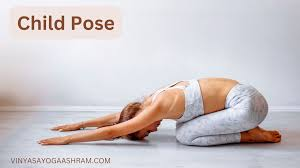
Stay here for 1–2 minutes. Feel the tension melt away from your lower back and hips.
Why it helps:
Child’s Pose relieves compression in the spine and relaxes tight muscles in the lower back that may be irritating the sciatic nerve.
2. Cat-Cow Pose (Marjaryasana-Bitilasana)
This gentle spinal movement increases flexibility and releases stiffness in the back.
How to do it:
- Start on your hands and knees, keeping your wrists under your shoulders and knees under your hips.
- Inhale, arch your back, lift your head and tailbone upward (Cow Pose).
- Exhale, round your back, and tuck your chin to your chest (Cat Pose).
- Move slowly between the two for 5–10 breaths.
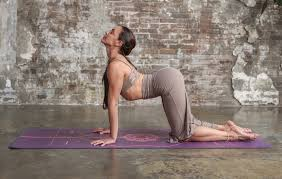
Why it helps:
Cat-Cow lubricates the spine, improves mobility, and gently stretches the back and neck, reducing tension that can trigger sciatic pain.
3. Downward-Facing Dog (Adho Mukha Svanasana)
This classic yoga pose stretches the hamstrings, calves, and spine — all areas that can contribute to sciatic discomfort.
How to do it:
- From your hands and knees, lift your hips toward the ceiling, straightening your legs as much as comfortable.
- Spread your fingers wide and press your heels toward the floor.
- Keep your head relaxed between your arms and breathe deeply.
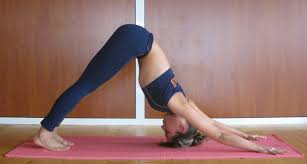
Hold for 30–60 seconds, resting as needed.
Why it helps:
Downward Dog lengthens the spine and relieves compression in the lower back, while stretching tight leg muscles that can pull on the sciatic nerve.
4. Pigeon Pose (Eka Pada Rajakapotasana)
Pigeon Pose is one of the most effective yoga poses for sciatica pain, as it deeply stretches the piriformis muscle — a common culprit behind sciatic discomfort.
How to do it:
- Begin in a plank position.
- Bring your right knee forward and place it behind your right wrist, with your shin angled slightly.
- Stretch your left leg straight behind you and lower your torso over your right leg.
- Rest your forehead on your hands or the floor.
Hold for 1–2 minutes, then switch sides.
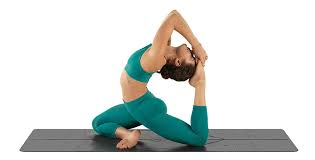
Why it helps:
This pose opens up the hips and releases tightness in the piriformis muscle, reducing pressure on the sciatic nerve.
5. Supine Twist (Supta Matsyendrasana)
This relaxing pose gently stretches the spine, hips, and lower back while promoting spinal mobility.
How to do it:
- Lie on your back and bring your knees to your chest.
- Drop your knees to one side while keeping your shoulders grounded.
- Extend your arms out to a T shape and look in the opposite direction of your knees.
- Hold for 30–60 seconds, then switch sides.
Why it helps:
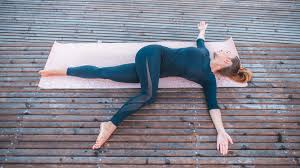
Twisting the spine relieves built-up tension in the lower back and improves spinal flexibility.
6. Reclined Pigeon Pose (Supta Kapotasana)
A gentler version of Pigeon Pose, this posture stretches the glutes and hips without straining the knees.
How to do it:
- Lie on your back and bend both knees.
- Cross your right ankle over your left thigh.
- Hold the back of your left thigh and gently pull your legs toward your chest.
- Keep your head and shoulders relaxed.
Hold for 1 minute, then switch sides.
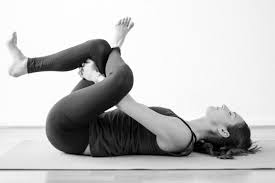
Why it helps:
It releases tension in the hips and buttocks, helping to alleviate nerve compression and pain.
7. Cobra Pose (Bhujangasana)
This backbend strengthens your spine and improves flexibility in your lower back.
How to do it:
- Lie face down with your palms under your shoulders.
- Press your hands into the floor and lift your chest while keeping your hips grounded.
- Look straight ahead and take deep breaths.
Hold for 20–30 seconds, then release.
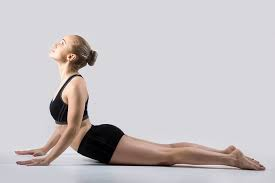
Why it helps:
Cobra Pose gently compresses and strengthens the lower spine, promoting circulation and healing around the sciatic nerve.
8. Bridge Pose (Setu Bandhasana)
This pose strengthens the lower back, glutes, and hamstrings while stretching the hip flexors.
How to do it:
- Lie on your back with your knees bent and feet flat on the floor.
- Press your feet and arms into the mat as you lift your hips toward the ceiling.
- Hold for 30 seconds and slowly lower down.
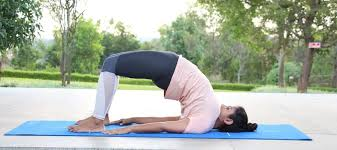
Why it helps:
Bridge Pose supports the lower spine, strengthens stabilizing muscles, and reduces tension that contributes to sciatica.
9. Legs Up the Wall (Viparita Karani)
This restorative posture promotes circulation and relaxation in the lower body.
How to do it:
- Sit sideways near a wall and swing your legs up as you lie down.
- Let your arms rest by your sides and close your eyes.
- Breathe slowly for 5–10 minutes.
Why it helps:
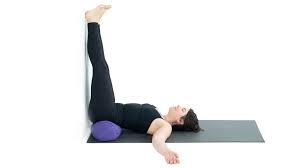
It releases pressure in the lower spine, soothes tired legs, and calms the nervous system.
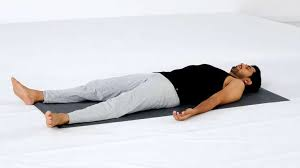
10. Savasana (Corpse Pose)
Every yoga session should end with Savasana — a pose of deep rest and healing.
How to do it:
- Lie flat on your back, arms at your sides, palms facing upward.
- Close your eyes and breathe naturally.
- Let your body completely relax for 5–10 minutes.
Why it helps:
Savasana allows your body to absorb the benefits of your practice, calming your mind and reducing stress-related tension.
Healing Is a Journey
When practiced mindfully, these yoga poses for sciatica pain can bring immense relief and restore your body’s natural balance. The key is consistency and self-compassion. Healing takes time, and every session you complete is a step toward a pain-free life.
Designing Your Daily Yoga Routine for Sciatica Relief
A well-structured yoga routine is the foundation of healing. Consistency matters more than intensity. You don’t need long, complicated sessions to see results; what’s more important is practicing regularly and gently.
Here’s a step-by-step example of a daily yoga for sciatica pain routine that takes only 20–30 minutes:
| Phase | Pose | Duration | Purpose |
|---|---|---|---|
| Warm-Up | Cat-Cow Pose | 2–3 minutes | Loosens the spine and warms up back muscles |
| Stretching | Downward-Facing Dog | 1 minute | Stretches hamstrings and spine |
| Deep Stretch | Pigeon Pose | 2 minutes each side | Releases hip tension |
| Core Strength | Bridge Pose | 1 minute | Strengthens back and glutes |
| Relaxation | Supine Twist | 1 minute each side | Relieves spinal stiffness |
| Recovery | Legs Up the Wall | 5 minutes | Promotes relaxation and circulation |
| Final Rest | Savasana | 5–10 minutes | Deep healing and emotional calm |
This structure allows your body to open gradually, stretch deeply, and rest fully. You can adjust the time based on your comfort level — remember, the goal isn’t perfection, but healing.
Morning vs. Evening Practice
Both times of day offer unique benefits.
Morning Practice
- Helps you start your day with energy and mental clarity.
- Reduces stiffness from sleeping posture.
- Prepares your muscles for activity.
Evening Practice
- Eases tension built up during the day.
- Promotes relaxation and better sleep.
- Allows deep emotional release and calm.
Choose the time that fits your routine best. Many people with sciatica find evening yoga especially soothing, as it helps them rest more comfortably at night.
The Emotional Side of Sciatica
Pain doesn’t only live in the body; it often creates emotional stress too. Chronic discomfort can bring feelings of frustration, anxiety, or even sadness. That’s why yoga is so transformative — it addresses both the physical and emotional roots of pain.
Through consistent practice, you learn to listen to your body rather than fight it. Each breath you take reminds you that healing is possible, that you are stronger than the pain, and that even small progress is something to celebrate.
One of yoga’s greatest lessons is acceptance — not surrendering to pain, but learning to work with it mindfully until the tension melts away.
Common Mistakes to Avoid
When practicing yoga poses for sciatica pain, it’s essential to be mindful of your movements. The wrong approach can worsen the problem instead of relieving it. Here are some common mistakes to avoid:
- Pushing Too Hard
Stretching should feel comfortable, never painful. If you push beyond your limits, you risk injuring muscles or aggravating the sciatic nerve. - Ignoring Breathwork
Your breath guides your body through each movement. Holding your breath creates tension. Breathe slowly and deeply in every pose. - Skipping Warm-Up
Going straight into deep stretches without warming up can strain your muscles. Always start gently. - Poor Alignment
Correct posture is key in yoga. Misalignment in poses like Downward Dog or Pigeon Pose can worsen nerve compression. Use props if needed. - Inconsistency
Practicing once a week won’t bring lasting change. Aim for at least four to five short sessions each week to build flexibility and strength gradually.
Yoga Props to Support Sciatica Healing
Props are not signs of weakness — they’re tools that make your practice safer and more effective. You can use:
- Yoga blocks to support your hands in poses like Downward Dog or Triangle Pose.
- A bolster or cushion under your hips during Pigeon Pose.
- A folded blanket under your knees or lower back for comfort.
- A strap to extend your reach when stretching your hamstrings.
These simple aids help maintain proper alignment, reducing pressure on the sciatic nerve while allowing you to deepen your stretches safely.
Breathing Techniques for Pain Management
Deep, mindful breathing is one of the most underrated tools for pain relief. It calms your nervous system, reduces muscle tension, and brings focus to the present moment. Try this simple technique daily:
Three-Part Breath (Dirga Pranayama):
- Sit or lie comfortably.
- Inhale deeply through your nose, filling your belly, ribs, and chest.
- Exhale slowly, emptying from chest to ribs to belly.
- Continue for 10 rounds, focusing on relaxation.
You can practice this breath before starting yoga or when pain flares up. It brings oxygen to your muscles and helps your mind settle.
Lifestyle Tips to Support Your Yoga Practice
Yoga is most powerful when supported by healthy daily habits. These small changes can make your recovery faster and more lasting:
- Avoid Prolonged Sitting:
Stand, stretch, or walk every 30 minutes to keep blood flowing. - Sleep on a Supportive Mattress:
A medium-firm surface supports spinal alignment. - Stay Hydrated:
Water keeps muscles flexible and prevents cramping. - Mind Your Posture:
Keep your back straight, shoulders relaxed, and weight evenly balanced when sitting or standing. - Add Gentle Walking:
Short, slow walks improve circulation and complement your yoga routine beautifully.
Building Strength and Confidence
Over time, you’ll notice that practicing yoga poses for sciatica pain not only reduces discomfort but also builds strength in your body and confidence in your spirit. Your muscles become more supportive, your posture improves, and your movements feel more effortless.
You’ll begin to see how deeply connected the body and mind are. A peaceful mind helps heal the body, and a strong body supports a peaceful mind. That’s the balance yoga offers — not just freedom from pain, but harmony within yourself.
Tracking Your Progress
Healing can feel slow at times, so tracking your journey helps you stay motivated. Keep a simple yoga journal and note down:
- Which poses feel best for your pain.
- How your flexibility improves over time.
- Changes in mood or energy levels after each session.
This reflection reminds you how far you’ve come and encourages you to keep going. Even small improvements — like sleeping better or walking more comfortably — are signs that your practice is working.
When to Seek Professional Help
While yoga is powerful, it’s not a replacement for medical care if your symptoms are severe. If you experience sudden weakness, numbness, or worsening pain, see a doctor or physical therapist. They can diagnose underlying conditions and recommend specific modifications for your yoga practice.
You can even ask for guidance from a certified yoga therapist who specializes in back pain. Personalized attention can help you refine your poses and recover faster.
The Deeper Meaning of Healing
Sciatica can teach a powerful lesson about patience and awareness. The journey through pain and recovery mirrors life itself — sometimes challenging, sometimes slow, but always filled with growth.
Every stretch you hold, every breath you take, every moment you stay still — they all bring you closer to harmony. With regular practice, yoga transforms not just your body, but your attitude toward discomfort. You stop resisting it and start understanding it.
Healing doesn’t mean the pain disappears instantly; it means you learn to move with grace, to trust your body again, and to live with renewed energy.
A Closing Thought
The path of yoga is gentle, powerful, and deeply personal. Through the daily practice of yoga poses for sciatica pain, you reclaim control over your body and find peace within movement.
Remember that progress is not about perfection — it’s about awareness. Every small stretch, every deep breath, and every mindful pause brings you one step closer to comfort and confidence.
Pain may visit, but it doesn’t define you. Through patience, persistence, and the healing wisdom of yoga, you can rediscover the freedom to move, to breathe, and to live fully again.