

When life feels busy, overwhelming, or a little too fast, sometimes what we need most isn’t more noise—it’s stillness. Yoga is that stillness in motion. It’s the place where the mind finds peace, the body finds strength, and the heart rediscovers balance. For anyone new to yoga, the journey begins with understanding the basics. And that’s exactly what we’re exploring today—beginner yoga poses step by step.
This is not just a guide about bending or stretching. It’s about learning to connect with your body in a way that feels empowering, gentle, and deeply human. Whether you’re a student, a car enthusiast, a professional, or simply someone looking for calm amid chaos, yoga can transform how you experience life—one breath at a time.
Understanding the Foundation of Yoga
Before diving into the poses, let’s understand what yoga truly is. The word “yoga” comes from the Sanskrit root yuj, which means “to unite.” It’s the union of body, mind, and soul. Yoga isn’t just physical exercise; it’s a practice of awareness and presence.
When you move through beginner yoga poses step by step, you are not only strengthening your body but also calming your thoughts. It’s like tuning a car engine—every small adjustment brings more smoothness and harmony.
Yoga has been practiced for thousands of years, and its beauty lies in its adaptability. You don’t need to be flexible, young, or athletic to start. You just need willingness and patience.
Preparing for Your Practice
Before starting your yoga journey, prepare your space and your mindset.
- Find a quiet place: Choose a comfortable area where you won’t be disturbed. It could be your bedroom, living room, or even a balcony.
- Wear comfortable clothing: Loose, breathable fabric allows your body to move freely.
- Use a yoga mat: It helps maintain stability and prevents slipping.
- Practice barefoot: This improves grip and grounding.
- Set an intention: Before you begin, take a deep breath and decide what you want from this session—peace, strength, energy, or relaxation.
Step-by-Step Guide to Beginner Yoga Poses
Let’s now begin the journey of movement and mindfulness. We’ll go through beginner yoga poses step by step, explaining how to perform each one safely and meaningfully.
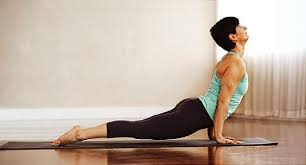
1. Mountain Pose (Tadasana)
This is where every yoga practice begins. It looks simple, but it teaches the foundation of posture, balance, and awareness.
Steps:
- Stand tall with feet together and arms at your sides.
- Spread your toes and press evenly through both feet.
- Engage your thighs and lift your chest.
- Roll your shoulders back and let your arms hang naturally.
- Take slow, deep breaths and focus on your body alignment.
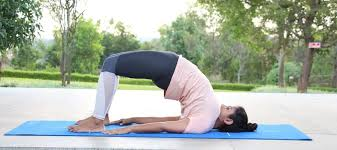
This pose strengthens your legs, improves posture, and enhances focus. It’s like turning the ignition of your yoga journey.
2. Downward-Facing Dog (Adho Mukha Svanasana)
A core pose in yoga that stretches and energizes the whole body.
Steps:
- Start on your hands and knees.
- Tuck your toes under and lift your hips toward the ceiling.
- Straighten your legs slowly, forming an inverted “V” shape.
- Press your palms into the mat and relax your neck.
- Hold the pose for five breaths, feeling the stretch in your spine and hamstrings.
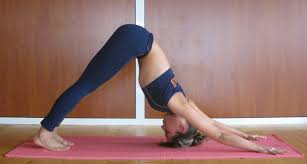
This pose boosts circulation, strengthens arms, and relieves tension in the back.
3. Cat-Cow Pose (Marjaryasana-Bitilasana)
Perfect for beginners, this flow between two poses releases tension in your spine.
Steps:
- Start on your hands and knees in a tabletop position.
- Inhale, arch your back, and look up (Cow Pose).
- Exhale, round your spine, and tuck your chin (Cat Pose).
- Repeat 5–10 times, syncing your movement with your breath.
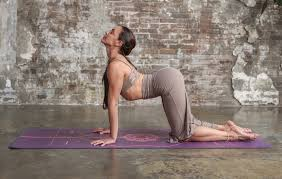
It’s like the gentle rhythm of an engine—it keeps your body flexible and your mind calm.
4. Child’s Pose (Balasana)
This is a resting pose that promotes calmness and self-connection.
Steps:
- Kneel on the floor and sit back on your heels.
- Lower your torso forward, resting your forehead on the mat.
- Stretch your arms in front or let them rest beside your body.
- Breathe deeply and stay here for as long as you like.
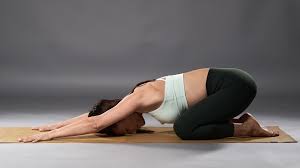
It’s the perfect way to pause, reflect, and recharge.
5. Warrior I (Virabhadrasana I)
A strong, grounding pose that symbolizes courage and strength.
Steps:
- Step your right foot forward and left foot back.
- Bend your front knee while keeping your back leg straight.
- Raise your arms overhead and face forward.
- Engage your core and breathe deeply.
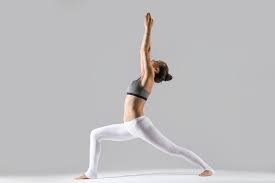
This pose stretches your legs and strengthens your shoulders, teaching stability and determination.
6. Tree Pose (Vrksasana)
This balancing pose helps develop focus and calmness.
Steps:
- Stand tall in Mountain Pose.
- Shift your weight onto your left leg.
- Place your right foot on your left inner thigh or calf (not the knee).
- Bring your palms together in front of your chest or overhead.
- Keep your gaze fixed on a single point.
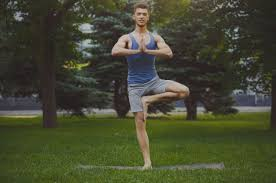
Balancing on one leg teaches patience—an essential skill both in yoga and in life.
7. Cobra Pose (Bhujangasana)
This gentle backbend opens your chest and strengthens your spine.
Steps:
- Lie face down with your palms under your shoulders.
- Inhale and lift your chest off the floor, keeping your elbows slightly bent.
- Keep your legs grounded and gaze slightly upward.
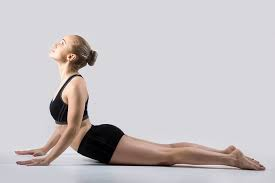
Cobra Pose improves posture, relieves fatigue, and builds confidence.
8. Seated Forward Bend (Paschimottanasana)
A soothing stretch for the back and hamstrings.
Steps:
- Sit with legs extended forward.
- Inhale and lift your arms overhead.
- Exhale and bend forward, reaching for your feet or shins.
- Relax your neck and breathe deeply.
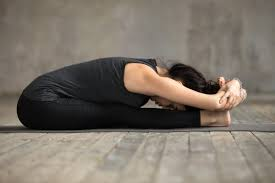
This pose teaches surrender—letting go of tension and expectations.
9. Bridge Pose (Setu Bandhasana)
A rejuvenating backbend that opens the heart and strengthens the body.
Steps:
- Lie on your back with knees bent and feet flat.
- Press your feet into the mat and lift your hips upward.
- Clasp your hands under your back and hold for several breaths.
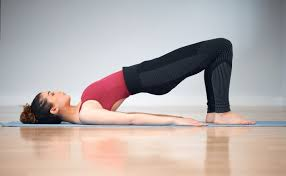
Bridge Pose energizes your body and calms your mind—like a bridge between effort and peace.
10. Corpse Pose (Savasana)
The final relaxation pose, symbolizing stillness and acceptance.
Steps:
- Lie flat on your back with arms by your side.
- Close your eyes and take slow, deep breaths.
- Let go of all control—just be present.
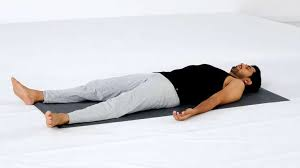
It’s the peaceful end to every yoga practice, allowing your body to absorb all the benefits.
Building Your Daily Routine
When starting your journey through beginner yoga poses step by step, consistency is more important than intensity. Practice for 15–30 minutes daily, focusing on form and breathing.
A simple daily routine might look like this:
- Morning: Mountain Pose, Downward Dog, Cat-Cow
- Afternoon: Warrior I, Tree Pose, Cobra Pose
- Evening: Forward Bend, Bridge Pose, Savasana
Each session becomes a time of renewal—a pause in your busy life where you reconnect with what truly matters.
The Emotional Connection
Yoga isn’t just about flexibility or strength. It’s about healing. As you follow beginner yoga poses step by step, you begin to notice subtle emotional shifts. You feel more grounded, patient, and open-hearted.
Many people describe yoga as a form of therapy, and for good reason. It teaches acceptance—of your body, your limits, and your growth. Every stretch is a small act of courage. Every breath, a reminder that peace is within reach.
Let’s go deeper into this journey. Let’s discover how these beginner yoga poses can build lasting strength, balance, and emotional peace—and how you can make yoga a natural, joyful part of your daily rhythm.
The Power of Breath and Awareness
Yoga without breath is like a car without fuel. Breath is what gives movement purpose and mindfulness. Every inhale nourishes your body with energy; every exhale releases stress and distraction.
When practicing beginner yoga poses step by step, always connect each movement to your breath. For example:
- Inhale when lifting your arms or expanding your chest.
- Exhale when folding, twisting, or grounding into a pose.
The breath becomes your teacher—it tells you when to move, when to pause, and when to let go.
A simple breathing exercise you can try before or after your practice is three-part breathing (Dirga Pranayama):
- Sit or lie comfortably.
- Inhale deeply, first filling your lower belly, then your ribs, then your chest.
- Exhale slowly in reverse order—chest, ribs, belly.
- Continue for several minutes.
You’ll notice how your body softens, your thoughts slow down, and your focus deepens. That’s the magic of awareness—the same calm you can bring to every part of life.
Building Confidence as a Beginner
When you first start yoga, you might feel awkward or unsure. Maybe your balance wobbles in Tree Pose, or your hamstrings tighten during Forward Bend. That’s okay. Yoga isn’t about perfection—it’s about progress.
Here’s how to build confidence and self-trust on your journey:
- Start small, stay consistent. Practicing even 10 minutes a day builds strength faster than one long weekly session.
- Listen to your body. If something feels painful, back off. Yoga should challenge, not hurt.
- Use props. Blocks, straps, and cushions can make poses more comfortable and safe.
- Celebrate small wins. Maybe today you touch your toes, or hold a pose longer than yesterday—these moments matter.
- Keep your mind kind. Speak to yourself the way a friend would—encouraging, patient, and proud.
Every time you return to your mat, you’re choosing growth. You’re proving to yourself that calm, strength, and self-love are worth practicing.
Emotional Healing Through Yoga
Yoga is more than physical—it’s emotional. Many people begin yoga to improve flexibility or strength but stay because it brings emotional clarity. When you practice beginner yoga poses step by step, you might feel emotions surface—peace, joy, frustration, or even sadness. This is normal.
Each pose opens different energy channels and releases stored tension. For example:
- Backbends open the heart and release emotional heaviness.
- Forward bends promote introspection and calm.
- Twists help release old patterns and negative energy.
When you move and breathe with awareness, you begin to heal old wounds and let go of unnecessary burdens. Yoga becomes a quiet conversation between your body and your heart—a reminder that peace lives inside you, even when the world feels heavy.
Creating a Home Yoga Routine
One of the most common challenges for beginners is staying consistent. To truly enjoy the benefits of beginner yoga poses step by step, you need to build a simple and realistic home routine.
Here’s how:
- Choose your time: Morning practice energizes you for the day; evening practice helps release tension.
- Design your flow: Start with warm-ups (Cat-Cow, Mountain), move to standing poses (Warrior, Tree), then seated and lying poses (Forward Bend, Bridge, Savasana).
- Keep it short: Begin with 20–30 minutes daily and expand as you grow comfortable.
- Set the atmosphere: Light a candle or play soft instrumental music. Create a mood of calm and focus.
- Stay mindful: Don’t rush from pose to pose—move like water, with control and grace.
With time, yoga won’t feel like a “routine” anymore. It will feel like home—a sanctuary of stillness where you can return anytime.
The Physical Benefits of Practicing Regularly
Practicing beginner yoga poses step by step offers countless physical benefits, many of which you’ll start to notice within weeks:
| Benefit | Description |
|---|---|
| Improved Flexibility | Gradual stretching loosens tight muscles and joints. |
| Better Posture | Strengthening your core and back realigns your body naturally. |
| Increased Strength | Supporting your body weight builds lean muscle. |
| Enhanced Balance | Standing poses train focus and coordination. |
| Boosted Circulation | Deep breathing increases oxygen flow throughout the body. |
| Better Sleep | Relaxation and mindfulness reduce insomnia and restlessness. |
| Stronger Immunity | Lower stress and better blood flow enhance immune function. |
Yoga is the art of becoming strong and gentle at the same time—a rare balance that makes you not just healthier but happier.
From Poses to Practice – Living Yoga Every Day
The beauty of yoga is that it doesn’t end when you roll up your mat. The patience you learn in Tree Pose, the balance you build in Warrior, and the calm you feel in Savasana—all these lessons carry into life.
You begin to notice the power of slowing down, of listening instead of reacting, of being grateful instead of complaining. You start to live with awareness—choosing peace over chaos, kindness over anger, and stillness over distraction.
Practicing beginner yoga poses step by step slowly turns into practicing mindfulness in every action—when driving, working, cooking, or simply breathing.
Motivation to Keep Going
Some days, you might not feel like practicing. You might be tired, distracted, or busy. But remember—yoga meets you where you are. Even five minutes of mindful breathing can reset your day.
Here are simple tips to stay motivated:
- Track your progress: Note how you feel before and after each session.
- Watch your growth: Over time, notice how your body and mood evolve.
- Join a class or online community: Sharing your journey can inspire consistency.
- Be flexible with your expectations: Every practice won’t be perfect—and that’s perfectly fine.
Your yoga journey is yours alone. Don’t compare. Don’t rush. Just breathe and show up.
The Deeper Gift of Yoga
When you practice beginner yoga poses step by step, you’re not just exercising—you’re rewriting your relationship with yourself. You learn that slowing down doesn’t mean weakness; it means wisdom. You realize that strength can be soft and grace can be powerful.
Yoga gently teaches you to find peace in movement and strength in stillness. It opens your heart to gratitude—for your breath, your body, and this precious life.
Every time you unroll your mat, you choose to listen—to your body’s quiet messages, your heart’s gentle rhythm, and your soul’s endless capacity for calm.
And that’s where yoga’s true magic lies—not in how perfectly you bend, but in how deeply you connect.
Final Thoughts
Starting beginner yoga poses step by step is like opening the door to a lifelong friendship—with yourself. Each pose, each breath, and each moment of stillness teaches something valuable. Over time, you’ll find that yoga isn’t just about flexibility—it’s about freedom. Freedom from stress, self-doubt, and constant noise.
So start small. Be patient. Show up. Because every breath you take on your mat is a step toward becoming stronger, calmer, and more alive.
In this fast-moving world, yoga reminds us of something beautifully simple: peace doesn’t have to be found—it’s already within you. All you have to do is breathe, move, and listen.