

When it comes to yoga, there are few poses that symbolize strength, stability, and focus as beautifully as the Plank Pose. Known in Sanskrit as Kumbhakasana, this seemingly simple posture holds an immense amount of power—not just for the body, but for the mind as well. The Plank Pose teaches us endurance, patience, and resilience, much like the qualities we need to handle life’s daily challenges.
Despite its simplicity, the Plank Pose is a complete workout in itself. It activates your core, strengthens your arms, shoulders, and legs, and sharpens your mental focus. Whether you’re a car enthusiast who loves the thrill of speed or someone simply looking to build inner balance, this pose is a reminder that strength is built not through haste, but through steady, grounded effort.
What is Plank Pose (Kumbhakasana)?
The Plank Pose is a fundamental yoga posture that forms the foundation for many advanced poses and exercises. It’s an isometric core-strengthening pose that engages nearly every muscle in your body. The word “Kumbhaka” in Sanskrit means “breath retention” or “holding,” while “Asana” means “pose.” In yoga philosophy, this term also hints at the mental discipline and control that accompanies physical stillness.
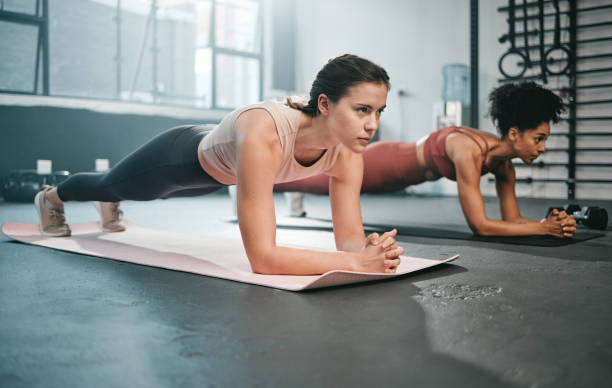
When you practice the Plank Pose, your body forms a straight line from your head to your heels, resembling a sturdy plank of wood. It requires you to balance your body on your hands and toes, engaging your muscles to hold the position. Though it may appear static, the energy flowing through your body in this pose is dynamic and alive.
The Philosophy Behind Plank Pose
The Plank Pose is not just about building a stronger core—it’s about cultivating mental endurance. When you hold the pose, you face the challenge of discomfort. Your arms start to shake, your core burns, and your mind urges you to stop. But staying steady in that moment teaches patience and self-control.
It’s a reflection of how we deal with life’s pressures. When things get tough, the Plank Pose reminds us to breathe, stay calm, and hold our ground. In this stillness, you discover the power of persistence—a power that helps you conquer not only physical challenges but emotional ones too.
How to Perform Plank Pose Correctly
Although the Plank Pose may look easy, performing it with the correct alignment is crucial for safety and effectiveness. Here’s a step-by-step guide:
- Start in a tabletop position. Place your hands directly under your shoulders and your knees under your hips. Spread your fingers wide and press your palms into the mat.
- Step your feet back. One leg at a time, extend your legs until your body forms a straight line from head to heels. Keep your toes tucked under and your heels pressing back.
- Engage your core. Draw your belly button toward your spine without letting your hips sag or lift too high. Your body should feel stable and firm.
- Align your shoulders. Keep your shoulders stacked over your wrists, your chest open, and your neck in a neutral position.
- Hold the pose. Breathe steadily and deeply through your nose. Start by holding for 20 to 30 seconds, gradually increasing as your strength improves.
Remember, it’s better to maintain correct form for a shorter time than to hold the pose too long with poor alignment.
Common Mistakes to Avoid
While performing the Plank Pose, beginners often make some common mistakes that can lead to strain or reduced effectiveness. Understanding these can help you refine your practice.
- Sagging hips: When your hips drop too low, it strains your lower back. Engage your core to keep your body straight.
- Lifted hips: Raising your hips too high turns the pose into more of a Downward Dog. Keep your shoulders and hips in one line.
- Locked elbows: Slightly bend your elbows to protect your joints and activate your muscles.
- Looking too far ahead or down: Keep your gaze slightly forward and down to maintain a neutral neck alignment.
- Holding your breath: Remember to breathe consistently. Breath is what turns the Plank Pose from a simple strength exercise into a mindful yoga posture.
The Physical Benefits of Plank Pose
The Plank Pose may be static, but the benefits it offers are dynamic and far-reaching. With consistent practice, it can transform your entire body and posture.
1. Core Strengthening
Plank Pose is one of the best poses for building a strong core. It engages your abs, obliques, and lower back muscles simultaneously. A strong core improves balance, stability, and supports spinal health, which is crucial for preventing injuries.
2. Improved Posture
The muscles strengthened during the Plank Pose—especially the core and back muscles—play a vital role in maintaining good posture. As your muscles grow stronger, you naturally begin to stand and sit taller.
3. Toned Arms and Shoulders
When you hold the Plank Pose, your arms and shoulders work hard to support your body weight. Over time, this builds endurance and tones the upper body, giving it a lean, defined appearance.
4. Strengthens Legs and Glutes
Although it primarily targets the core, your legs and glutes are also engaged to maintain balance. This leads to better overall body conditioning and improved muscle coordination.
5. Increases Metabolism
The full-body engagement of the Plank Pose helps to activate multiple muscle groups simultaneously, which boosts your metabolism and aids in calorie burn even after your workout.
6. Improves Balance and Coordination
The Plank Pose strengthens stabilizing muscles, enhancing your sense of balance. This not only improves your yoga practice but also benefits daily movements like walking or lifting objects.
Mental and Emotional Benefits of Plank Pose
Beyond its physical advantages, the Plank Pose is also deeply transformative on a mental and emotional level.
1. Builds Mental Resilience
Holding the Plank Pose requires patience and focus. The longer you stay, the more you challenge your mind to endure discomfort. This mental strength translates into greater emotional resilience in daily life.
2. Encourages Focus and Awareness
In Plank Pose, you can’t afford to let your mind wander. You must stay fully present—aware of your breath, your alignment, and your body’s sensations. This mindfulness helps to calm mental chatter and improve concentration.
3. Boosts Confidence
Each time you hold the pose longer than before, you experience a sense of accomplishment. This builds self-confidence, reminding you that you are capable of more than you think.
4. Releases Stress and Anxiety
Because the Plank Pose requires steady breathing and focus, it helps to quiet the nervous system. This reduces stress and creates a sense of calm and clarity.
Variations of Plank Pose
Once you’ve mastered the basic version of the Plank Pose, there are several variations you can explore to challenge yourself further or target different muscle groups.
1. Forearm Plank (Makara Adho Mukha Svanasana)
Instead of balancing on your palms, rest on your forearms. This variation puts less pressure on the wrists while engaging your core more deeply.
2. Side Plank (Vasisthasana)
Rotate your body to one side and stack your feet, balancing on one arm. This variation strengthens the obliques and improves balance.
3. Reverse Plank (Purvottanasana)
Sit with your legs extended and place your hands behind you, fingers pointing toward your feet. Lift your body up into a straight line. This pose stretches your front body and strengthens your back.
4. Dynamic Plank
Move between forearm and full plank, or tap your shoulders alternately while maintaining balance. These movements build endurance and coordination.
5. Knee Plank
A great option for beginners, this variation allows you to build core strength without overstraining the lower back or wrists.
The Breath in Plank Pose
Breathing properly during Plank Pose is essential. Shallow or uneven breathing can create unnecessary tension. Instead, maintain deep, rhythmic breaths.
As you inhale, imagine drawing energy through your core and lengthening your spine. As you exhale, feel yourself grounding more deeply into the mat. The breath becomes your anchor, guiding you through the intensity with grace and control.
Connecting Plank Pose with Life
Every time you hold the Plank Pose, you practice more than physical endurance—you practice staying strong in the face of difficulty. It’s about learning to be comfortable in discomfort, maintaining calm under pressure, and believing in your own strength.
In many ways, the Plank Pose mirrors life’s challenges. Sometimes, things get heavy. You want to give up. But just like in the pose, the key is to hold steady, breathe, and trust that you are getting stronger with each moment.
The Spiritual Dimension of Plank Pose
In yoga philosophy, the Plank Pose can be seen as a symbol of spiritual grounding. It encourages you to connect with your inner stability while remaining open and focused. When practiced mindfully, it balances your root chakra—the energy center related to security and strength—and your solar plexus chakra, which governs confidence and willpower.
By aligning your body and breath, you align your energy. You find stillness in motion and motion in stillness—a beautiful paradox that lies at the heart of yoga.
Building a Routine Around Plank Pose
To experience the full potential of Plank Pose, consistency is key. You don’t need hours of practice—just a few minutes each day can create noticeable change in your strength, posture, and mindset. Creating a simple, balanced routine around the Plank Pose can help you cultivate both discipline and transformation.
Start with a brief warm-up to prepare your body. Gentle movements such as shoulder rolls, wrist stretches, and Cat-Cow Pose help loosen your joints and awaken your spine. From there, gradually move into Plank Pose and hold it for short durations, increasing time as your endurance improves.
Here’s an example of a short Plank-focused routine:
- Begin with two minutes of deep breathing to center your mind.
- Perform Cat-Cow Pose for one minute to activate the spine.
- Hold a Plank Pose for 30 seconds. Rest for 10 seconds.
- Repeat the Plank Pose three times.
- Transition to Side Plank on each side for 20 seconds.
- End with Child’s Pose to release tension.
This short yet powerful sequence strengthens your entire body while nurturing mindfulness and control. Over time, you can expand it into a more complete yoga flow.
How to Progress Safely in Plank Pose
When you first begin practicing Plank Pose, it’s natural to feel shaky. But that trembling is your body growing stronger. As your muscles adapt, you can gradually increase the duration and intensity of your hold.
Start with short holds of 15 to 30 seconds and gradually work up to one minute or more. Focus on maintaining proper alignment throughout—straight back, active core, and steady breathing. Once you’re comfortable with the basic version, explore variations like Side Plank or Forearm Plank for additional challenges.
If you feel strain in your wrists or shoulders, modify by dropping your knees to the mat. The key is not to push to exhaustion, but to build strength steadily and safely. Remember, yoga is not a competition—it’s a journey toward balance and awareness.
Combining Plank Pose with Other Asanas
Plank Pose serves as a foundation for many other yoga poses. By integrating it into your sequences, you can enhance strength, balance, and flow.
You can connect Plank Pose seamlessly with:
- Chaturanga Dandasana (Four-Limbed Staff Pose): A dynamic transition that builds arm and core strength.
- Downward-Facing Dog (Adho Mukha Svanasana): A stretch and strength combo that complements Plank beautifully.
- Upward-Facing Dog (Urdhva Mukha Svanasana): Opens the chest and builds stability in the shoulders.
- Side Plank (Vasisthasana): Engages the obliques and improves balance.
Using Plank Pose as a link between movements allows for fluid transitions and balanced energy throughout your practice.
The Emotional Depth of Plank Pose
There’s a powerful emotional component hidden within the stillness of Plank Pose. As you hold it, you feel the tension build—the heat in your core, the weight on your arms, the voice in your head urging you to give up. But as you breathe through it, you begin to discover your strength, not just physically but emotionally.
The Plank Pose teaches you how to stay centered amid discomfort. It mirrors real life—moments where you can’t escape the challenge, so you meet it with calm determination. Each breath you take in the pose becomes a statement of resilience. It whispers, “I can handle this.” That’s where transformation truly begins.
Through consistent practice, you learn to trust your body, calm your mind, and embrace stillness as a source of power. This quiet courage cultivated on the mat becomes a strength you carry into your everyday life.
The Role of Plank Pose in Modern Fitness
Beyond yoga studios, the Plank Pose has become a global fitness staple. It’s used in strength training, Pilates, and even athletic conditioning because of its remarkable ability to engage multiple muscle groups. For car enthusiasts and busy professionals alike, it’s a quick yet powerful way to maintain physical health and balance.
Its simplicity makes it accessible anywhere—no equipment, no gym required. You can do it in your living room, your office, or even beside your parked car before a long drive. Holding that stillness connects your mind and body, awakening a deep sense of stability and focus.
Breathing and Mindfulness in Plank Pose
Breathing is the invisible foundation of Plank Pose. When the body starts to tremble and the muscles tire, your breath becomes the anchor that keeps you steady. Shallow breathing creates tension, while deep, rhythmic breathing fuels endurance.
Inhale deeply through your nose, expanding your chest and drawing strength into your core. Exhale slowly, releasing any tension in your shoulders and jaw. With each breath, visualize strength flowing through your body, stabilizing every muscle and calming your thoughts.
When breath and movement align, Plank Pose becomes more than exercise—it becomes meditation. You’re no longer just holding your body up; you’re holding your awareness steady in the present moment.
The Spiritual Symbolism of Plank Pose
In the philosophy of yoga, every pose carries meaning beyond the physical form. Plank Pose represents determination, focus, and self-mastery. It teaches the balance between effort and ease—the art of holding strength without rigidity.
Energetically, the Plank Pose activates the Manipura Chakra, or Solar Plexus Chakra, located near your navel. This chakra governs willpower, confidence, and self-discipline. When you practice Plank Pose mindfully, you ignite this energy center, empowering yourself to move through life with clarity and courage.
It’s not just a pose—it’s a symbol of standing firm in your purpose, no matter the challenges that come your way.
Tips for Mastering Plank Pose
To refine your Plank Pose and make it more effective, consider these simple but powerful tips:
- Engage your core fully: Imagine pulling your belly button toward your spine. This prevents sagging and protects your back.
- Press evenly through your hands: Distribute your weight evenly to avoid wrist strain.
- Activate your legs: Keep your thighs and glutes firm to maintain balance.
- Maintain a neutral spine: Avoid arching or rounding your back—your body should form one straight line.
- Focus on your breath: Use deep, controlled breathing to maintain stability.
- Practice consistently: Even a few minutes daily can transform your strength and posture.
With patience and awareness, the Plank Pose evolves from a simple posture into a full-body awakening.
Real-Life Lessons from the Plank Pose
The lessons learned on the mat often extend far beyond it. The Plank Pose teaches resilience—how to hold steady when life tests your strength. It teaches patience—how to remain calm under pressure. It teaches self-belief—how to trust your inner stability even when the world feels unsteady.
Every time you practice Plank Pose, you reinforce these lessons. The quiet endurance you build in that still moment translates into everyday confidence. Whether you’re facing a difficult project, a personal challenge, or simply navigating a long day, the same strength you build in Plank supports you through it all.
Integrating Plank Pose into Daily Life
You don’t need a long yoga session to benefit from Plank Pose. Even a single minute of mindful practice can center your mind and activate your body. Try holding Plank Pose after waking up to energize your morning, or during a midday break to reset your focus.
You can also use it as a grounding exercise before important moments—before meetings, before driving, before big decisions. It teaches you to reconnect with your breath and your inner steadiness, reminding you that true strength is always within reach.
The Harmony of Stillness and Strength
What makes the Plank Pose truly special is its ability to blend stillness with strength. It’s a reminder that power doesn’t always come from movement—it often comes from the ability to stay centered and unwavering.
When your body trembles, and your mind whispers to stop, holding steady becomes an act of courage. In that space of effort and surrender, you discover your true potential. The Plank Pose becomes a metaphor for life itself—a balance between action and patience, effort and grace.
Conclusion
The Plank Pose is more than a physical posture—it’s a practice of endurance, awareness, and inner strength. It tones your muscles, sharpens your focus, and cultivates discipline that extends beyond your yoga mat.
With every breath you take in Plank, you learn to balance stability and softness, effort and ease. You build a foundation not only for your body but for your spirit. Over time, you realize that the Plank Pose is not about how long you can hold it—it’s about how deeply you can stay present within it.