

There are few yoga poses that embody both strength and serenity as beautifully as the Bridge Pose. Known in Sanskrit as Setu Bandha Sarvangasana, this posture combines grounding stability with a heart-opening grace that feels both powerful and peaceful. The Bridge Pose isn’t just an exercise for the body; it’s a deeply emotional and spiritual experience that helps reconnect you with your inner calm and resilience.
The Bridge Pose has long been seen as a symbol of balance and connection. In life, we are constantly building bridges—between body and mind, between effort and ease, and between who we are and who we are becoming. When you rise into this posture, lifting your chest toward the sky while your feet stay rooted on the earth, you embody that same sense of connection and unity.
Understanding the Bridge Pose
At first glance, the Bridge Pose might seem simple—lying on your back and lifting your hips. But when done with intention and alignment, it becomes a transformative experience. It engages the thighs, glutes, and core while opening the chest, stretching the spine, and awakening energy throughout the body.
In Sanskrit, the word “Setu” means bridge, “Bandha” means lock, and “Sarvangasana” refers to the engagement of the entire body. Together, this translates to a posture that involves the whole self—body, breath, and awareness. Every muscle plays a role, every breath deepens your connection, and every moment in the pose strengthens your sense of balance.
The Bridge Pose serves as a gentle backbend, making it accessible for beginners while still offering challenges for advanced practitioners. Unlike deeper backbends like the Wheel Pose, it’s more forgiving yet equally empowering. You don’t have to be highly flexible to benefit from it; all you need is presence and patience.
How to Perform the Bridge Pose
To experience the full magic of the Bridge Pose, follow these steps carefully and mindfully:
- Start by lying flat on your back with your knees bent and your feet hip-width apart. Keep your arms resting alongside your body, palms facing down.
- Align your feet so they’re close enough that your fingertips can lightly touch your heels.
- Press your feet and arms into the mat as you begin to lift your hips upward.
- Engage your thighs and glutes, making sure your knees stay aligned with your ankles and don’t splay outward.
- Lift your chest toward your chin while keeping your shoulders grounded. You can either interlace your fingers beneath your back or keep your arms straight for extra stability.
- Hold the pose for several breaths, feeling the strength and expansion across your chest and spine.
- To release, gently lower your hips back down one vertebra at a time, resting on the mat.
Key Alignment Tips
- Keep your knees parallel, not pointing outward.
- Avoid pressing your head or neck into the mat; the weight should be evenly distributed across shoulders and feet.
- Focus on engaging your thighs and glutes, not just your lower back, to protect the spine.
- Keep your breath steady. Inhale to lift, exhale to deepen your presence in the pose.
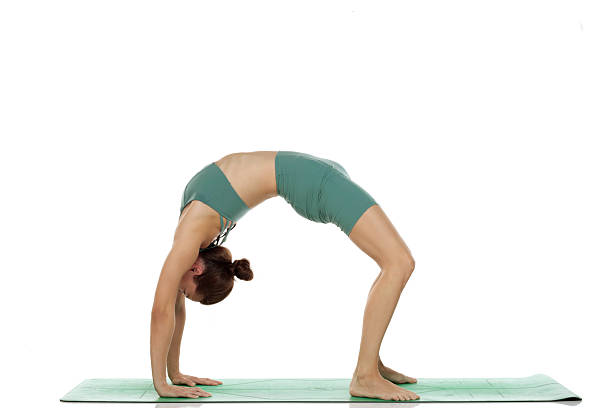
Practicing with alignment keeps the Bridge Pose safe and effective, helping you build strength without strain.
Physical Benefits of the Bridge Pose
Physically, the Bridge Pose is one of yoga’s most well-rounded asanas. It strengthens, stretches, and rejuvenates multiple areas of the body all at once.
- Strengthens the Core and Lower Body
As you lift your hips, your glutes, hamstrings, and quadriceps work together to support the pose. This builds endurance and stability, essential for both athletic performance and everyday posture. - Improves Spinal Flexibility
The gentle backbend in the Bridge Pose elongates the spine, improving flexibility and promoting better posture. It counteracts the effects of sitting for long hours, releasing stiffness in the back. - Stimulates Circulation
The lift of the hips encourages blood flow to the chest, heart, and brain. This improved circulation revitalizes energy and boosts mental clarity. - Opens the Chest and Lungs
The expansion of the chest enhances lung capacity, making this pose great for those who experience shallow breathing or anxiety. - Reduces Back Pain
When practiced correctly, it strengthens the lower back and improves alignment, helping to alleviate mild back pain and tension. - Supports Digestive Health
The gentle pressure on the abdominal area stimulates the digestive organs, improving metabolism and gut health.
The Emotional and Energetic Side of Bridge Pose
While the physical benefits are significant, the emotional and energetic aspects of the Bridge Pose are equally profound. When you rise into the posture, your heart opens, your breath deepens, and your energy begins to flow more freely.
This heart-opening action has a deep emotional impact. It helps release stored tension, grief, or emotional heaviness that often accumulates in the chest area. As you hold the pose and breathe deeply, you may feel a sense of emotional release, a quiet softening that brings peace and balance.
Energetically, the Bridge Pose is said to activate the heart chakra (Anahata) and the throat chakra (Vishuddha). These centers are connected with love, compassion, and communication. By awakening them, the pose promotes emotional healing and clearer self-expression.
The Bridge Pose also grounds you. As your feet press firmly into the mat, you connect with the earth, reminding yourself that strength begins with stability.
The Symbolism Behind the Bridge Pose
There’s something poetic about the Bridge Pose. It’s a physical representation of the bridges we build in life—between what we know and what we seek, between challenge and acceptance. When you lift yourself off the mat, it’s not just a movement of muscles—it’s a statement of resilience and trust.
The act of bridging the body between the ground and the air mirrors the inner balance between effort and surrender. You hold the pose with strength, but you also release control and trust your body to hold you. This balance is what makes yoga not just a workout, but a meditation in motion.
In the Bridge Pose, you are both grounded and elevated—rooted in the present moment, yet reaching for something greater.
Common Mistakes and How to Avoid Them
Like any yoga posture, the Bridge Pose has its challenges, especially for beginners. Here are some common mistakes and how to correct them:
- Overarching the Back:
This can cause discomfort or strain. Focus on engaging your core and glutes rather than pushing your lower back too far upward. - Knees Splaying Outward:
Keep your knees hip-width apart and aligned with your ankles to avoid unnecessary pressure on your hips. - Neck Compression:
Avoid turning your head during the pose. Keep your gaze straight up and ensure your neck remains relaxed. - Uneven Weight Distribution:
Press evenly through both feet and shoulders for stability. - Holding Breath:
Remember that breathing is the bridge between mind and body. Keep your breath flowing smoothly throughout.
Modifications and Variations for All Levels
The Bridge Pose can be adapted for every level of yoga practitioner. Whether you’re a beginner or an advanced yogi, there’s a variation that meets your body where it is today.
For Beginners:
Place a yoga block or folded blanket beneath your lower back for support. This makes it easier to hold the pose without overexertion.
For Intermediate Yogis:
Interlace your fingers beneath your back and press your arms into the floor to lift your chest higher, deepening the stretch through the front body.
For Advanced Practice:
Try lifting one leg off the floor while maintaining stability with the other. This one-legged variation challenges balance and builds greater strength in the core and thighs.
These variations allow you to explore the pose’s potential gradually and safely.
Using the Bridge Pose as a Gateway
The Bridge Pose also serves as a gateway to more advanced backbends like the Wheel Pose (Urdhva Dhanurasana). It helps prepare the body by strengthening the spine and improving flexibility in the shoulders and chest.
With consistent practice, the Bridge Pose teaches you patience and awareness. Every time you lift into the pose, you build not just muscle, but also a deeper connection with yourself.
The Bridge Between Mind and Body
Perhaps the greatest beauty of the Bridge Pose lies in how it unites mind and body. It’s a moment of conscious elevation—lifting yourself not only physically, but emotionally and mentally. You start grounded in reality and rise into potential.
Each time you perform this pose, you’re reminded that strength doesn’t always mean force—it often means grace, persistence, and balance.
In the second part of this article, we’ll explore the advanced aspects of the Bridge Pose, its role in emotional healing, and how you can integrate it into a mindful daily routine for both body and soul.
Bridge Pose is far more than just a backbend. It’s a posture that bridges the connection between your body, mind, and soul. When practiced regularly, it has a profound impact on your physical strength, mental clarity, and emotional stability. Let’s explore its deeper benefits.
1. Strengthens the Spine and Back Muscles
Bridge Pose is a gift for your spine. As you lift your hips and arch your back, it activates and strengthens the spinal muscles, glutes, and hamstrings. This strengthens your core foundation and helps correct poor posture caused by long hours of sitting. Over time, it enhances spinal flexibility and reduces stiffness or back discomfort.
2. Opens the Chest and Heart Area
This pose gently expands your chest and shoulders, improving lung capacity and promoting better oxygen flow. It also stretches the neck and opens the heart area, creating a feeling of freedom and lightness. Many practitioners describe a deep emotional release after holding the pose, as if the heart itself begins to breathe again.
3. Calms the Mind and Reduces Stress
Bridge Pose has a unique calming effect on the nervous system. The chest opening and steady breathing promote relaxation and mindfulness. It triggers the parasympathetic system, lowering stress hormones and bringing inner peace. After just a few breaths in Bridge Pose, the racing thoughts begin to fade, replaced by a sense of calm focus.
4. Improves Blood Circulation
When your chest lifts higher than your head, it allows blood to flow freely toward the brain. This inverted-like action refreshes your energy and enhances brain function. It also improves blood supply to vital organs, which helps in detoxifying the body naturally.
5. Boosts Digestion and Hormonal Balance
The upward lift of the torso massages the abdominal organs, stimulating digestion and metabolism. Bridge Pose also supports hormonal balance by activating the thyroid gland through the gentle compression of the neck region. This contributes to better energy levels and overall well-being.
6. Helps Relieve Menstrual Discomfort and Fatigue
Bridge Pose is known to help women relieve mild menstrual pain and discomfort. The gentle lift of the hips eases pelvic tension and improves circulation. It also helps combat fatigue by rejuvenating the nervous system and bringing a refreshing surge of vitality.
The Emotional and Mental Power of Bridge Pose
Yoga is not just a physical journey—it’s a pathway to emotional balance. Bridge Pose connects deeply to the emotional center of your being.
1. Releasing Emotional Blockages
The chest opening in Bridge Pose encourages emotional release. Often, people carry stress, sadness, or unspoken emotions in their chest and shoulders. As you lift your heart upward, it’s as though you’re opening a door that lets go of the old energy and welcomes emotional renewal.
2. Building Self-Confidence
The strong, open posture of Bridge Pose naturally builds confidence. It helps you stand tall not just physically, but emotionally. You feel grounded, powerful, and resilient. It’s a symbolic reminder that even when life feels heavy, you can still lift yourself up.
3. Encouraging Inner Stillness
As you hold Bridge Pose with deep breaths, the stillness begins to grow within you. This pause between breath and movement teaches mindfulness. Over time, it helps you become more present—not just during yoga but in daily life as well.
Step-by-Step Tips to Deepen Your Bridge Pose
To truly experience the transformative power of this posture, it’s important to refine your alignment and awareness.
1. Engage the Right Muscles
Before lifting, gently draw your navel toward your spine. This activates your core and protects your lower back. Press evenly through your feet as you lift your hips, ensuring your knees stay hip-width apart.
2. Use Your Arms Mindfully
For beginners, you can keep your arms by your sides, palms pressing into the mat. If you feel comfortable, clasp your hands beneath your back and roll your shoulders closer together. This variation opens your chest more deeply and enhances the stretch across your shoulders.
3. Balance Strength and Flexibility
Remember that Bridge Pose is not about how high you lift, but how consciously you lift. Focus on even strength throughout your body rather than forcing your back to bend deeply.
4. Support with Props
If your lower back feels strained, place a yoga block or bolster under your sacrum for a supported version. This restorative variation allows you to relax longer and breathe deeply without effort.
5. Mindful Breathing
Breathing is the bridge between effort and ease. Inhale as you lift your hips and expand your chest; exhale as you soften your shoulders and release any tension. Your breath keeps you grounded and calm.
Common Mistakes to Avoid
Even though Bridge Pose seems simple, small misalignments can reduce its effectiveness.
- Knees Falling Outward: Keep them parallel to prevent hip strain.
- Overarching the Lower Back: Engage your core and distribute the bend evenly along the spine.
- Neck Compression: Avoid turning your head while holding the pose; keep your gaze straight upward.
- Uneven Weight Distribution: Press both feet firmly into the mat for balanced support.
By maintaining these small corrections, you make your practice safer and more powerful.
Variations of Bridge Pose for All Levels
Bridge Pose offers numerous variations to suit different needs and skill levels.
1. Supported Bridge Pose
Place a block under your sacrum for a restorative version. This gentle lift allows your spine to decompress and encourages relaxation.
2. Dynamic Bridge Pose
Instead of holding the pose, lift and lower your hips rhythmically with your breath. This strengthens the glutes and core while improving spinal mobility.
3. One-Legged Bridge Pose
Lift one leg while keeping the other foot grounded. This version builds strength and balance. Alternate sides to maintain symmetry.
4. Wheel Preparation
For advanced practitioners, Bridge Pose becomes a gateway to deeper backbends like Wheel Pose (Urdhva Dhanurasana). It helps you develop the flexibility and strength needed for more intense postures.
Integrating Bridge Pose Into Your Routine
To enjoy its full benefits, consistency is key. Practicing Bridge Pose regularly—even for a few minutes a day—can bring lasting changes.
You can include it in your morning routine to energize your body or at night to relax your back after a long day. Pair it with gentle stretches like Cat-Cow or Child’s Pose for a balanced flow.
Here’s a simple example:
| Time | Pose | Duration | Purpose |
|---|---|---|---|
| Morning | Bridge Pose | 3-5 minutes | Wake up energy, strengthen spine |
| Evening | Supported Bridge | 5 minutes | Calm mind, relieve fatigue |
The Spiritual Essence of Bridge Pose
Bridge Pose has a subtle spiritual meaning that goes beyond the physical. It symbolizes the bridge between body and spirit—between effort and surrender.
When you rise into the pose, it represents growth and self-empowerment. When you release it, it teaches humility and letting go. This balance reflects life itself: learning to rise when it’s time to act, and to rest when it’s time to heal.
Many yoga traditions also associate Bridge Pose with the heart chakra (Anahata). By opening this energy center, you cultivate compassion, forgiveness, and emotional clarity.
Closing Thoughts
Bridge Pose is more than a yoga posture—it’s a message to your heart, a reminder that strength and softness can coexist. It connects you to your breath, uplifts your body, and opens your mind to inner peace.
Practicing it regularly can transform your energy. Whether you seek strength, flexibility, or tranquility, this pose will meet you where you are and guide you to where you want to be.
In the stillness of Bridge Pose, you’ll discover something truly beautiful: that your body can be strong, your heart can stay open, and your spirit can always rise again.