

When we think of yoga, we often imagine graceful postures, calm breathing, and deep inner balance. Yet among all yoga poses, one stands taller—literally and spiritually. This is the Headstand (Salamba Sirsasana), known as the “King of Asanas.” It is a posture that turns your world upside down—both physically and mentally—and in doing so, reveals a new way of seeing yourself and life itself.
For centuries, yogis have revered the Headstand not only for its powerful physical benefits but for its ability to sharpen the mind, strengthen the spirit, and bring an incredible sense of peace. When practiced correctly, this pose becomes more than a balancing act; it becomes a journey inward—one that transforms fear into confidence and chaos into calm.
Let’s explore this fascinating posture step by step, understand its essence, and see how Headstand (Salamba Sirsasana) can change not just your body, but your perspective on life.
1. What Is Headstand (Salamba Sirsasana)?
The term Sirsasana comes from two Sanskrit words: “Sirsa” meaning head and “Asana” meaning posture. Salamba means “supported.” So, Salamba Sirsasana translates to “Supported Headstand.”
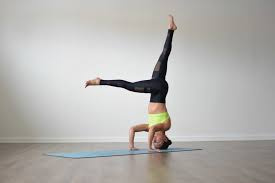
In this asana, the body is balanced vertically on the head, supported by the forearms and shoulders. The legs extend upward, forming a straight line from head to toe. Though it looks challenging, it is not about brute strength—it is about focus, balance, and trust.
When performed correctly, the Headstand becomes a symbol of inner strength. It teaches you to remain still and balanced even when the world turns upside down.
2. The Meaning Behind the Headstand
The Headstand (Salamba Sirsasana) holds a deeper meaning beyond physical inversion. It’s symbolic of turning your viewpoint around—literally changing your perspective.
When you’re upside down, the ordinary view of life shifts. It reminds us that everything we see depends on how we look at it. Problems, challenges, and fears seem different when viewed from another angle. This is the spiritual wisdom hidden within the pose.
The Headstand is not about showing off a skill—it’s about learning humility, patience, and control. It teaches us that true balance doesn’t come from fighting gravity, but from learning to work with it.
3. Preparing the Body and Mind for Headstand
Before attempting a Headstand, preparation is crucial. This pose requires strong shoulders, a stable core, and a calm mind.
Here’s how to prepare:
- Strengthen the shoulders and arms: Practice Dolphin Pose or Forearm Plank to build upper-body endurance.
- Activate the core: Exercises like Boat Pose (Navasana) help build abdominal strength necessary for stability.
- Practice balance: Try standing balances like Tree Pose or Warrior III to develop focus and awareness.
- Calm the mind: Meditation and deep breathing before inversion keep anxiety away and promote stillness.
Patience is key. The Headstand is a posture of progression, not perfection. You learn slowly, one controlled movement at a time.
4. Step-by-Step Guide to Performing the Headstand
Learning to do a Headstand can be an empowering journey. Follow this safe and effective method, preferably under guidance if you’re new to inversions:
Step 1: Find a steady foundation
Kneel on your mat. Interlace your fingers and place your forearms on the ground, forming a triangle. Keep your elbows shoulder-width apart.
Step 2: Place your head
Gently rest the crown of your head on the floor, cupped lightly by your interlaced hands. Ensure that the back of your head touches your palms.
Step 3: Lift your hips
Tuck your toes and slowly lift your knees off the floor, straightening your legs. Your body should now form an inverted “V.” Walk your feet closer toward your head.
Step 4: Engage the core
Tighten your abdominal muscles. Slowly lift one knee, then the other, bringing both legs toward your chest.
Step 5: Lift up carefully
Once balanced, straighten your legs upward toward the ceiling. Keep your body aligned in one line from the head to the toes. Breathe steadily and stay focused.
Step 6: Holding the pose
Stay for 10 to 30 seconds if you are a beginner. With practice, you can hold for up to 3 minutes.
Step 7: Coming down safely
Lower your legs slowly, bending your knees toward your chest, then rest in Child’s Pose for a few moments to balance your blood flow.
5. The Physical Benefits of Headstand
When you master the Headstand, your entire body begins to transform. This posture engages almost every muscle, improves blood flow, and rejuvenates the brain.
| Body System | Benefit of Headstand (Salamba Sirsasana) |
|---|---|
| Circulatory System | Improves blood flow to the brain, enhancing oxygen supply |
| Nervous System | Strengthens focus, concentration, and mental clarity |
| Digestive System | Stimulates internal organs and improves digestion |
| Muscular System | Strengthens arms, shoulders, and core muscles |
| Endocrine System | Balances hormones and improves thyroid function |
| Lymphatic System | Assists detoxification and boosts immunity |
Each of these benefits comes from the body’s reversed position. Gravity works differently during a Headstand, allowing fresh blood to reach the brain and upper body, creating a refreshing, energetic feeling.
6. How Headstand (Salamba Sirsasana) Affects the Brain
Few postures benefit the brain as profoundly as the Headstand. When you’re inverted, the increased blood flow brings more oxygen and nutrients to the brain. This helps enhance focus, memory, and alertness.
The posture also triggers the parasympathetic nervous system—your body’s natural relaxation mode—helping reduce stress and anxiety. Many practitioners report feeling more peaceful and centered after regular practice.
The Headstand also balances hormones by improving pituitary gland function, which regulates several vital body processes, including mood and metabolism.
So when you ask what the Headstand (Salamba Sirsasana) does for your brain, the answer is simple: it wakes it up, refreshes it, and helps it think more clearly.
7. The Emotional and Mental Impact of the Headstand
The Headstand has a profound psychological effect. It pushes you beyond your comfort zone, forcing you to confront fear—fear of falling, fear of failure, fear of being upside down. But once you overcome that fear, you feel an indescribable joy.
This posture builds confidence. It proves that with patience, consistency, and calm focus, you can literally turn your world around.
Each time you balance on your head, you also balance your thoughts. Anxiety softens. Doubt disappears. The mind becomes quiet, and clarity takes its place.
That’s why Headstand (Salamba Sirsasana) is often described as a mirror to the soul—it shows you who you truly are when you face your fears and rise above them.
8. Mistakes to Avoid While Practicing Headstand (Salamba Sirsasana)
While Headstand offers countless benefits, it must be practiced with care. Beginners often make a few common mistakes that can cause discomfort or strain.
Avoid these mistakes:
- Putting too much weight on the head and neck instead of using the forearms.
- Attempting the pose too soon without proper strength or guidance.
- Arching the lower back or losing alignment.
- Holding the breath while in the pose.
- Practicing near hard surfaces without safety support.
Always prioritize safety. Use a wall for support when starting, and never rush into the full version. Yoga is not about speed—it’s about awareness.
9. Preparatory and Counter Poses
To safely build up to and come out of Headstand (Salamba Sirsasana), practice these:
Preparatory Poses:
- Dolphin Pose
- Downward-Facing Dog
- Forearm Plank
- Cat-Cow Stretch
Counter Poses:
- Child’s Pose (Balasana)
- Shoulder Stand (Sarvangasana)
- Seated Forward Bend (Paschimottanasana)
These ensure that the spine and neck remain balanced and relaxed after inversion.
10. The Symbolism and Spiritual Significance of Headstand (Salamba Sirsasana)
Beyond the physical, the Headstand carries a deep spiritual message. Turning upside down symbolizes humility, surrender, and openness to new wisdom.
It teaches us that true vision comes not from seeing the world with our eyes, but from understanding it with our heart.
In ancient yoga philosophy, Headstand is believed to awaken higher consciousness. When the blood flows toward the brain, it nourishes the “Sahasrara” or crown chakra — the energy center linked to enlightenment and universal awareness.
Practicing this asana mindfully connects you to this higher energy, making you feel more balanced, calm, and spiritually alive.
11. The Emotional Journey Through Headstand
When you first begin practicing Headstand, fear is your biggest challenge. Fear of falling, fear of failing, fear of not being strong enough. But as you progress, you learn to trust your body and your breath. This trust builds emotional resilience. You begin to realize that stability comes from within.
With each attempt, your confidence grows. You start to understand that falling is not the opposite of success—it’s part of the process. The journey through Headstand (Salamba Sirsasana) mirrors the journey through life: you rise, you wobble, you fall, and you rise again.
Emotionally, this pose teaches surrender. It softens ego and cultivates patience. The stillness that comes once you’re balanced upside down brings a deep sense of peace. It’s almost meditative—a moment where the mind quiets and awareness blooms.
12. The Psychological Power of Inversion
Turning upside down changes more than your blood flow; it changes your perspective. The Headstand allows the mind to reset. It’s a powerful psychological tool against anxiety, overthinking, and burnout.
For someone living a fast-paced life—especially a car enthusiast who thrives on motion and adrenaline—this pose is grounding. It slows everything down. The stillness within a Headstand offers the same serenity that a quiet drive on an open road brings: clarity, freedom, and control.
As you breathe in that inverted silence, stress loses its hold. Thoughts that once seemed tangled begin to clear, replaced by an almost childlike joy. It’s a powerful reminder that peace doesn’t come from escaping movement but mastering it.
13. The Role of Breath in Headstand Practice
Breath is the bridge between effort and ease. In Headstand (Salamba Sirsasana), conscious breathing maintains balance, calms the nervous system, and supports focus.
The right way to breathe during Headstand:
- Inhale slowly as you lift your legs and find balance.
- Exhale deeply to release tension from your shoulders and neck.
- Maintain slow, rhythmic breaths while holding the pose.
Deep breathing regulates the heart rate and ensures your body remains relaxed while inverted. It’s also a key part of mindfulness—teaching you that each breath anchors you to the present moment.
Even a few minutes of calm breathing in this pose can reset your mental energy. It’s like pressing a restart button for your thoughts.
14. Common Challenges and How to Overcome Them
No yoga journey is without struggle, and the Headstand is no exception. Every practitioner encounters obstacles, both physical and mental. The key is not to avoid them but to face them with awareness.
Challenge 1: Fear of Falling
Fear keeps most people from even trying a Headstand. The solution is practice and patience. Begin near a wall to gain confidence. Learn to roll safely if you lose balance. Over time, fear fades into focus.
Challenge 2: Neck Discomfort
This usually happens when too much weight is placed on the head. Distribute weight evenly across the forearms and shoulders, keeping your neck long and relaxed.
Challenge 3: Lack of Balance
Balance is not just physical; it’s mental. Strengthen your core and practice slowly. A calm, steady gaze helps maintain focus.
Challenge 4: Holding Too Long
Inversion should be gradual. Start with short holds and increase over time. Never push beyond comfort; the goal is control, not endurance.
Remember, each mistake teaches you something. Every fall is an opportunity to rise stronger, both physically and mentally.
15. Advanced Variations of Headstand
Once you’ve mastered the basic Headstand (Salamba Sirsasana), you can explore advanced variations that challenge strength and stability.
1. Tripod Headstand (Sirsasana II):
This variation uses hands instead of forearms for support, creating a broader base and more freedom in the legs.
2. Bound Headstand (Baddha Hasta Sirsasana):
Hands are interlaced behind the head, promoting shoulder opening and core control.
3. Lotus Headstand (Padmasana in Sirsasana):
Combines the Headstand with Lotus Pose, enhancing concentration and hip flexibility.
4. Split-Leg Headstand:
Extend one leg forward and the other back. This tests coordination and strengthens the lower body.
Each version offers new challenges and insights, reminding you that growth is endless when you practice with humility and curiosity.
16. The Science Behind Headstand Benefits
Science supports what yogis have known for centuries: Headstand (Salamba Sirsasana) has powerful effects on the body and mind. Let’s look at what modern research suggests.
| Aspect | Scientific Explanation |
|---|---|
| Brain Function | Increased blood circulation enhances oxygen flow to the brain, improving focus and alertness |
| Mood Regulation | Inversions activate parasympathetic response, reducing cortisol (stress hormone) |
| Sleep Quality | Balancing the nervous system promotes deeper, more restful sleep |
| Posture Improvement | Strengthens spinal alignment and core stability |
| Circulation | Reversing gravity supports venous return, aiding cardiovascular health |
This harmony of body chemistry and posture explains why people often describe feeling refreshed, light, and mentally sharp after practicing Headstand. It’s nature’s way of giving the mind a new perspective—literally.
17. Headstand and the Energy Centers (Chakras)
In yogic philosophy, the Headstand (Salamba Sirsasana) activates the Sahasrara, or crown chakra. This chakra, located at the top of the head, symbolizes connection to universal energy and higher consciousness.
When this energy flows freely, you feel intuitive, peaceful, and spiritually aligned. It’s said that the Headstand helps balance the lower chakras by channeling energy upward, awakening inner wisdom.
This doesn’t have to be mystical—it’s about awareness. By holding the Headstand, you bring focus to the mind’s quiet center. You become more in tune with your thoughts, emotions, and sense of purpose.
18. Incorporating Headstand Into Daily Life
Practicing Headstand isn’t just about time on the mat; it’s about how it shapes your everyday life. The lessons it teaches—patience, perspective, and focus—extend beyond yoga.
For car lovers and fast-paced thinkers: The Headstand offers balance. Just as tuning an engine ensures smooth performance, tuning your mind through inversion ensures mental clarity. It helps you handle daily challenges with a calm, steady mind.
Even practicing for a few minutes daily can reduce stress, increase self-awareness, and boost productivity. The more consistent you are, the deeper the transformation.
19. Who Should Avoid Headstand (Salamba Sirsasana)
Though powerful, Headstand isn’t for everyone. People with certain conditions should avoid it unless guided by a professional.
Avoid the pose if you have:
- High blood pressure or heart disease
- Neck or back injuries
- Glaucoma or eye pressure issues
- Recent surgery
- Pregnancy (unless experienced and cleared by a doctor)
Always listen to your body. Yoga is not about competition—it’s about care. Knowing when to rest is also part of wisdom.
20. A Deeper Reflection on Balance
Balance is not something you find—it’s something you create. The Headstand (Salamba Sirsasana) reminds us of that truth. When the body inverts, the heart is above the head, symbolizing emotion leading thought. It teaches you to balance logic with love, ambition with peace.
Every time you rise into a Headstand, you affirm your ability to find stillness amid chaos. You realize that control doesn’t mean rigidity—it means trust. Trust in your breath, your strength, and your journey.
21. The Spiritual Calm After the Pose
After you come down from a Headstand, take a few quiet moments in Child’s Pose. Feel your heartbeat slow, your breath deepen, and your mind settle. That after-effect is pure tranquility—the reward of surrender and self-awareness.
Many practitioners describe a subtle happiness after inversion. It’s not excitement—it’s peace. That’s what yoga truly aims for: peace in motion, strength in surrender.
22. Building a Lifelong Relationship With Headstand
The Headstand is a lifelong companion in yoga. You may master the physical pose in weeks, but its lessons unfold over years. Each practice reveals something new—about patience, control, and self-belief.
Even on days you can’t hold the balance, the act of trying becomes an expression of courage. It reminds you that progress isn’t always visible; sometimes it’s silent, internal, and deeply personal.
23. Final Thoughts — Turning the World Upside Down to See It Clearly
The Headstand (Salamba Sirsasana) is not merely a pose. It’s a mirror for your mind and a teacher for your soul. It shows you that strength isn’t about standing tall—it’s about staying calm when everything turns upside down.
Through this inversion, you learn to face fear with focus, chaos with calm, and uncertainty with faith. It’s a lesson that carries beyond the yoga mat—into how you live, love, and lead.
When you practice Headstand, you are not escaping the world—you are re-entering it with clarity, courage, and compassion. The world doesn’t change; your view of it does. And that is where true transformation begins.