

When you unroll your yoga mat, you’re not just laying down a piece of material—you’re opening the doorway to transformation. The yoga mat is your personal space of growth, a soft landing for your body and spirit. It’s where you challenge yourself, find your calm, and rise stronger every day. That’s why choosing the best yoga mat isn’t just about looks or price—it’s about finding the right companion for your practice.
Yoga is an art of balance and stillness, much like driving a finely tuned car. Just as a car enthusiast seeks precision, grip, and comfort on the road, a yogi seeks the same in their mat. The best yoga mat provides that perfect blend of stability and softness, keeping your mind centered and your body supported. Whether you’re new to yoga or have practiced for years, the right mat changes everything—it’s the foundation of every breath and movement.
Understanding What Makes the Best Yoga Mat
The best yoga mat isn’t defined by one single feature—it’s the sum of many thoughtful details. A good mat must support your joints, prevent slips, stay durable, and reflect your style of practice. But beyond that, it should feel like a trusted friend—something you look forward to meeting each morning.
Let’s break down what truly makes a yoga mat exceptional.
- Grip and Texture:
The best yoga mats have a firm grip, keeping you grounded during intense poses like Downward Dog or Warrior. The surface texture matters because it determines whether your hands slide or stay steady. Some mats have tiny ridges for extra traction, while others offer a smooth surface for comfort. - Thickness and Support:
Mats generally range from 3mm to 8mm in thickness. A thicker mat cushions your joints, while a thinner one provides more stability. For hard floors, the best yoga mat often has at least 6mm of padding to protect your knees and elbows. - Material and Durability:
The material of a yoga mat decides how long it lasts, how it feels under your body, and even how eco-friendly it is. Common materials include:- PVC (Polyvinyl Chloride): Long-lasting but not the most sustainable.
- TPE (Thermoplastic Elastomer): Lightweight, durable, and environmentally friendly.
- Natural Rubber: Great grip, biodegradable, and perfect for eco-conscious yogis.
- Cork or Jute: Organic feel, naturally antimicrobial, and unique texture.
- Portability:
If you travel often or carry your mat to classes, the best yoga mat is lightweight and easy to roll. Some even come with straps or built-in handles. - Maintenance and Longevity:
A yoga mat is like a car interior—it needs regular care to stay clean and pleasant. Easy-to-clean surfaces or mats that resist odor are always better.
Why Choosing the Best Yoga Mat Matters
Your yoga mat shapes your practice experience. An uncomfortable or slippery mat can distract you from your focus. Imagine trying to meditate while your knees ache or losing balance because your mat keeps sliding—frustration replaces peace.
The best yoga mat solves all that. It offers stability when your body wavers, cushioning when your joints demand care, and confidence in every stretch. It’s not just a tool; it’s a silent partner that makes your practice effortless and inspiring.
Think of it like the seat in your favorite car—perfectly designed to hold you through every turn, acceleration, and stop. Without comfort and reliability, the experience feels incomplete.
The Emotional Connection with Your Yoga Mat
Every yogi develops a bond with their mat over time. It witnesses your early morning struggles, your quiet triumphs, your stillness, and your sweat. The best yoga mat becomes part of your identity—a surface where you leave behind stress and rediscover strength.
There’s something emotional about unrolling it on the floor each day. It’s a promise to yourself—to show up, breathe, and move forward no matter what life throws your way.
Car enthusiasts understand this bond. The way they connect to the sound of an engine, the way they care for the polish and feel of their car—it’s similar to how yogis cherish the feeling of grounding on their mat. Both are acts of passion, precision, and presence.
Exploring Different Types of Yoga Mats
Let’s explore the world of yoga mats to understand what makes each type unique and how to identify the best yoga mat for your lifestyle.
| Type | Material | Best For | Key Features |
|---|---|---|---|
| PVC Mat | Synthetic | Beginners | Durable, affordable, good grip |
| TPE Mat | Recyclable Polymer | All-level yogis | Lightweight, eco-friendly |
| Natural Rubber Mat | Rubber Tree Sap | Eco-conscious users | Excellent grip, biodegradable |
| Cork Mat | Cork Bark | Hot Yoga & Sweaty Sessions | Anti-slip when wet, odor-resistant |
| Jute Mat | Natural Fiber | Outdoor Yogis | Breathable, textured feel |
Each type offers a different experience. For example, if you practice intense power yoga or hot yoga, the best yoga mat for you might be a cork or natural rubber mat due to their superior grip. But if you travel often, a TPE or lightweight foldable mat would serve you better.
The Role of Thickness in Comfort
The thickness of your yoga mat can make or break your comfort level. Let’s compare:
- 3mm Mats: Perfect for stability and balance. Ideal for standing poses or advanced yogis.
- 5mm Mats: Balance between support and control. Suitable for most types of yoga.
- 6–8mm Mats: Extra cushioning for sensitive joints, restorative yoga, or long sessions.
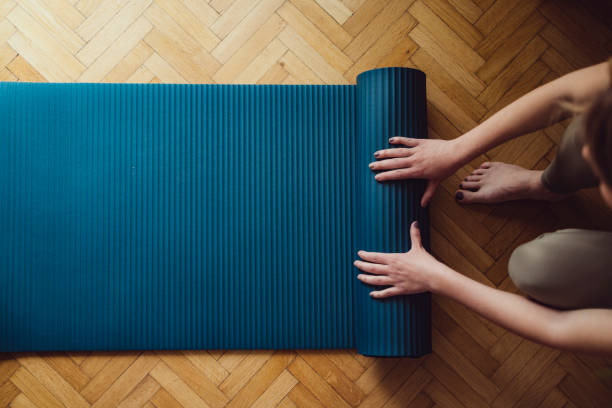
The best yoga mat thickness depends on where and how you practice. If you often do yoga on hard surfaces, choose a thicker mat to reduce knee and elbow strain.
Eco-Friendliness: A Conscious Choice
In recent years, the yoga community has embraced sustainability. The best yoga mat isn’t just comfortable—it’s also kind to the Earth. Eco-friendly mats made from natural rubber, cork, or recycled materials are biodegradable and non-toxic.
By choosing such a mat, you align your personal wellness with environmental care. It’s like choosing a hybrid or electric car—not only do you enjoy the ride, but you also feel good about reducing harm to the planet.
How to Know When It’s Time to Replace Your Yoga Mat
Even the best yoga mat has a lifespan. If you start noticing signs like fading color, cracks, or reduced grip, it’s time to upgrade. Practicing on a worn-out mat can lead to injuries or imbalance.
Replace your mat if:
- It has visible tears or uneven surfaces.
- It slips easily even when dry.
- It smells or absorbs sweat permanently.
- It feels hard or loses cushioning.
A new mat can reignite your motivation to practice. That fresh feel beneath your feet signals a new chapter in your yoga journey.
How Car Lovers Relate to the Yoga Mat Experience
Now, let’s draw a comparison that will speak to car lovers. Imagine driving a high-performance vehicle with old tires—you can feel the vibration, the lack of grip, the reduced control. It’s the same when you practice yoga on a low-quality mat.
The best yoga mat gives you traction like performance tires. It absorbs impact like good suspension. It hugs your body like a perfectly contoured seat. And when you move, it responds like a precision steering system—smooth, stable, and connected.
Car lovers appreciate engineering. Yoga lovers appreciate mindfulness. The bridge between them is attention to detail—comfort, alignment, and flow.
Finding the Best Yoga Mat for Your Needs
There’s no one-size-fits-all answer to what the best yoga mat is. It depends on your practice style, body type, and personal preference. Let’s explore a few examples:
- For Beginners: A thicker mat (6–8mm) with a non-slip surface helps maintain stability and comfort.
- For Travelers: A foldable or lightweight mat fits easily into luggage.
- For Hot Yoga Enthusiasts: Cork or rubber mats that perform better with moisture are ideal.
- For Eco-Minded Yogis: Choose natural materials like jute, cork, or organic cotton.
- For Joint Sensitivity: Look for high-density foam mats that offer extra cushioning.
Each of these options represents a different kind of comfort, and ultimately, the best yoga mat is the one that feels natural beneath your hands and feet.
Testing Before Buying
Whenever possible, test different mats before buying. Touch, feel, and even smell them. Roll them out, do a few stretches, and notice how your body reacts.
You’ll know when you’ve found the right one—it will feel like home.
Building a Daily Practice Around the Best Yoga Mat
Once you’ve found your perfect mat, it’s time to build consistency. Try this simple flow to connect deeper with your practice and your mat:
- Begin in Mountain Pose (Tadasana) – Feel grounded and steady.
- Move to Downward Dog (Adho Mukha Svanasana) – Let your hands grip the mat and feel its texture.
- Transition into Low Lunge (Anjaneyasana) – Feel how the mat cushions your knees.
- End in Child’s Pose (Balasana) – Let your breath sink into the mat.
Your mat becomes your sanctuary, holding space for you to stretch, release, and grow stronger.
How the Best Yoga Mat Mirrors the Engineering of a Car
For car lovers, this comparison might feel deeply relatable. Just as the comfort and grip of a car’s seat and tires define your driving experience, the grip and support of your mat define your yoga flow.
A performance car needs stability, traction, and control. So does your yoga mat.
- The grip of your mat is like tire traction—it keeps you steady on turns and transitions.
- The thickness is like the suspension system—it absorbs shocks, cushions impact, and offers smoothness.
- The texture and feel resemble the car’s interior comfort—crafted for both performance and pleasure.
A driver can feel every curve of the road; a yogi can feel every heartbeat on the mat. In both worlds, the foundation matters. The best yoga mat is your road—steady, secure, and built for endurance.
Choosing the Best Yoga Mat for Different Environments
Where you practice yoga can determine what kind of mat you need.
| Environment | Recommended Mat Type | Why It Works |
|---|---|---|
| Home Studio | Thick Natural Rubber or PVC | Comfort, stability, easy cleaning |
| Outdoor Yoga | Cork or Jute | Non-slip in humid conditions, durable |
| Hot Yoga | Cork or Microfiber | Absorbs sweat, improves grip when wet |
| Travel or Hotel Rooms | Foldable TPE | Lightweight, portable, easy to store |
| Gym Practice | PVC or Rubber | Durable and resistant to wear |
The best yoga mat adapts to your surroundings, just as a car adapts to different terrains. A sturdy off-road vehicle doesn’t belong on a racetrack—and a lightweight travel mat won’t serve well on a hard wooden floor. Choosing wisely ensures your comfort wherever you go.
Caring for Your Yoga Mat
A yoga mat, like a luxury car, needs maintenance to perform its best. Sweat, dust, and time can wear it down. Caring for it regularly not only extends its life but also deepens your respect for your practice.
Here’s how to maintain the best yoga mat:
- Clean after each session: Use a mild soap solution or natural spray made with water and vinegar.
- Avoid harsh chemicals: They can damage the mat’s texture and grip.
- Air dry completely: Moisture can cause odor or bacteria buildup.
- Store properly: Keep it rolled up in a cool, dry place away from direct sunlight.
- Inspect for wear: Replace it when it starts losing grip or cushioning.
Your mat deserves the same attention as your body. When it’s clean and cared for, your practice feels more refreshing and grounding.
Emotional Healing and Physical Balance
Practicing yoga on the best yoga mat is not just about perfect poses—it’s about connection. When your foundation feels solid, you can surrender fully to your breath. Each inhale fills you with confidence; each exhale releases tension.
Think of the mat as your sanctuary—your quiet corner where the chaos of the world fades away. Whether you’ve had a rough day or feel restless, stepping onto your mat reminds you that peace is always one breath away.
Some days, you’ll sit still in reflection. Other days, you’ll push harder, sweat dripping, muscles trembling. Through it all, your mat holds steady—unmoving, unjudging. That’s the magic of finding the best yoga mat—it’s not just about quality, but the way it supports your inner world.
Top Features to Look for in the Best Yoga Mat
Let’s summarize the essential features that define the best yoga mat:
- Non-Slip Grip: Ensures stability during every pose.
- Adequate Cushioning: Protects your joints and enhances comfort.
- Durability: Withstands long-term use and intense sessions.
- Lightweight & Portable: Easy to carry without compromising support.
- Eco-Friendly Composition: Reflects mindfulness toward the environment.
- Aesthetic Appeal: Encourages consistency by matching your style.
Yoga is as much about mindset as it is about movement. When your tools align with your energy, your progress becomes effortless.
Connecting Passion and Practice
For car enthusiasts, yoga might seem like a world apart—but both involve precision, discipline, and awareness. Just as a car’s power depends on maintenance, your body’s strength depends on care and consistency.
When you practice yoga on the best yoga mat, you tune your body like a high-performance engine—balancing energy, focus, and endurance. It’s not about speed, but control; not about winning, but sustaining.
Imagine the quiet hum of an engine before it accelerates—that’s the rhythm of your breath before a deep stretch. Both are moments of potential, preparation, and presence.
When Comfort Translates to Confidence
Comfort breeds confidence. When your mat feels perfect under you, you trust yourself more. You try deeper lunges, stronger twists, longer holds. You lose fear and gain faith in your movement.
The best yoga mat gives you that quiet assurance that no matter how far you bend or balance, you are supported.
This comfort reflects in daily life too. You start standing taller, breathing better, and living calmer. You become aware of how everything—from the seat you drive in to the mat you practice on—shapes your state of mind.
The Journey Toward Self-Mastery
Yoga isn’t a competition—it’s a journey. It teaches patience, balance, and gratitude. When paired with the best yoga mat, that journey becomes smoother and more fulfilling.
Every crease and sweat mark on your mat tells a story—a story of persistence, growth, and self-love. It’s where you fall and rise again. Where your body finds strength and your heart finds peace.
In the end, the best yoga mat is the one that allows you to lose yourself in practice and find yourself in stillness.
How to Test Before You Buy
Before you invest, always test:
- Feel the texture with your palms.
- Try a few standing and seated poses.
- Notice how your joints feel after a minute of stillness.
- Observe how easily you can roll and carry it.
These small checks reveal if it’s truly the best yoga mat for you. The right mat feels inviting and grounding from the very first touch.
Final Thoughts: The Road and the Mat
In both yoga and driving, the surface beneath you defines your experience. A smooth ride, a stable pose—both depend on what supports you underneath. The best yoga mat becomes your personal road—a place where focus meets flow, and effort meets ease.
When you step onto it, you’re not just starting another workout—you’re beginning a dialogue with your soul.
Treat your mat with care. Honor the moments it holds. And remember, just as a car lover feels alive behind the wheel, a yogi feels whole upon the mat.
So, find your best yoga mat, roll it out, take a deep breath, and begin. This is your journey—strong, serene, and unstoppable.