

Yoga is not just about stretching the body; it’s a deep conversation between your breath, your mind, and your soul. Among the many poses that bring this connection alive, Bow Pose yoga, also known as Dhanurasana in Sanskrit, stands as a symbol of both flexibility and strength. It’s a pose that embodies openness — of the body and the heart — and invites you to embrace courage, energy, and peace within yourself.
In this detailed guide, we’ll dive deeply into what makes Bow Pose yoga special, how it benefits your physical and emotional health, and how you can perform it safely and effectively even if you are a beginner.
The Beauty and Meaning of Bow Pose Yoga
Bow Pose yoga takes its name from the shape the body makes when performing it — a powerful bow ready to release an arrow. In this pose, your chest lifts high, your legs stretch back, and your arms hold your ankles, creating a beautiful arch that resembles the curve of a bow. It symbolizes readiness, focus, and energy — a reminder that life is about aiming forward, not backward.
In Sanskrit, “Dhanur” means bow and “Asana” means pose. The spiritual essence of this pose lies in its ability to balance action and surrender — you pull your body into a shape of intensity while keeping your breath calm and your face relaxed. It’s a dance between effort and ease, discipline and grace.
Physical Benefits of Bow Pose Yoga
When you practice Bow Pose yoga consistently, your body responds with vitality and balance. The backbend strengthens your spine and stretches the front of your body, including your chest, shoulders, and thighs. This combination brings a sense of openness and rejuvenation.
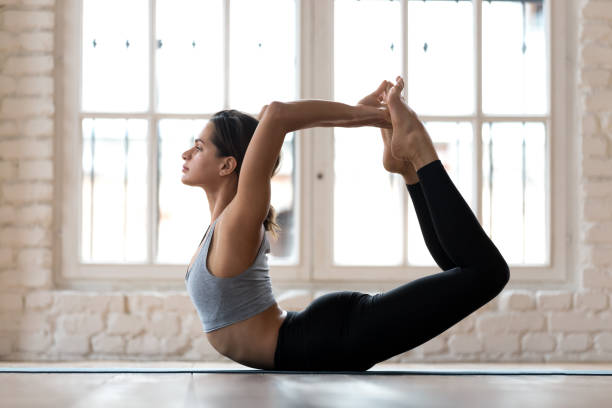
Let’s look at the major benefits:
- Improves Posture
In the modern world, where we spend hours bent over computers or phones, Bow Pose helps correct poor posture. It strengthens the back muscles and realigns the spine, encouraging a proud, upright stance. - Enhances Flexibility
Your back, shoulders, and hips all get a powerful stretch in this pose. Over time, this improves flexibility and makes other yoga poses easier. - Strengthens Core and Back
Holding your legs up engages your core, while lifting your chest strengthens your lower and upper back muscles. This helps build a strong foundation for your daily movements. - Opens the Chest and Heart Area
Bow Pose yoga expands the chest cavity, improving lung capacity and helping you breathe more deeply. It also stimulates the heart chakra, associated with love and compassion. - Stimulates Digestive Organs
The pressure on the abdomen massages internal organs, which can aid digestion and relieve bloating or discomfort. - Relieves Fatigue and Stress
As a backbend, Bow Pose stimulates the adrenal glands, boosting energy levels and reducing fatigue. It also helps release tension stored in the shoulders and chest.
Emotional and Spiritual Connection
Beyond its physical benefits, Bow Pose yoga holds deep emotional and spiritual symbolism. The heart-opening nature of this pose helps release emotional blocks. When your chest expands, you symbolically open yourself to life’s experiences — to joy, vulnerability, and courage.
The pose also encourages mental focus and resilience. It reminds you that flexibility is not just of the body, but also of the mind. When you face life’s challenges, Bow Pose teaches you to bend but not break.
Preparing for Bow Pose Yoga
Before you move into Bow Pose, it’s essential to warm up your body to avoid strain. A good warm-up includes poses that gently stretch the front and back of the body.
Here are a few preparatory poses:
- Cat-Cow Stretch (Marjaryasana-Bitilasana): Helps warm up the spine.
- Cobra Pose (Bhujangasana): Strengthens the lower back.
- Bridge Pose (Setu Bandhasana): Opens the chest and hips.
- Locust Pose (Salabhasana): Builds back and shoulder strength.
Step-by-Step Guide to Performing Bow Pose Yoga
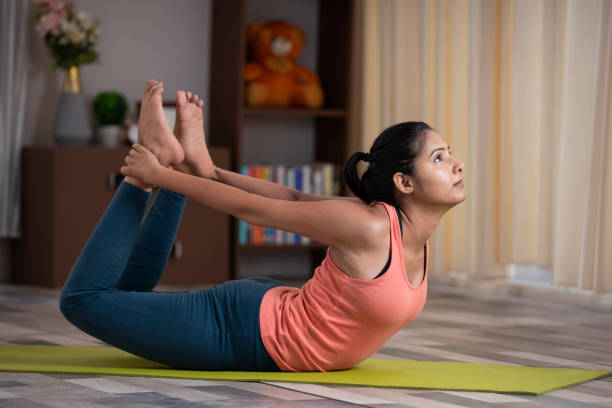
- Start by lying on your stomach on a yoga mat. Keep your arms resting beside your torso, palms facing up.
- Bend your knees and bring your heels close to your hips.
- Reach back with your hands and grasp your ankles, not your feet. Keep your knees hip-width apart.
- Inhale deeply and lift your chest off the ground while simultaneously raising your thighs.
- Pull your legs gently to create resistance while keeping your gaze forward.
- Hold the position for about 20–30 seconds, breathing deeply and calmly.
- Exhale slowly and release the pose, bringing your body back to the mat.
- Rest in Child’s Pose for a few breaths to relax your back.
Repeat this pose two to three times, gradually increasing the duration as your flexibility and strength improve.
Common Mistakes to Avoid
Like any yoga pose, proper alignment is crucial for safety and effectiveness. Some common mistakes in Bow Pose yoga include:
- Overarching the Lower Back: Focus on lifting with your chest rather than just pulling your legs up.
- Knees Spreading Too Wide: Keep them aligned with your hips for stability.
- Holding Breath: Maintain slow, steady breathing to stay relaxed.
- Gripping Ankles Too Tightly: Use gentle pressure to avoid knee strain.
- Tension in the Neck: Keep your neck neutral and avoid looking too far upward.
Tips for Beginners
If you’re new to Bow Pose yoga, don’t worry. Every great yogi starts somewhere. Begin with gentle variations and allow your body to open up over time.
- Use a Yoga Strap: If you can’t reach your ankles, loop a strap around them and hold the ends.
- Do Partial Lifts: Instead of lifting high, focus on small movements and good alignment.
- Listen to Your Body: Avoid pushing through pain — yoga is about progress, not perfection.
Breathing Techniques During Bow Pose
Breathing is the bridge between effort and ease in yoga. During Bow Pose yoga, maintain deep and steady breaths. As you inhale, imagine energy flowing into your heart and chest. As you exhale, release tension and negativity.
This mindful breathing enhances the meditative quality of the pose and allows your body to open naturally without force.
The Role of Consistency
Like any transformative practice, consistency is the secret to success in yoga. Practicing Bow Pose yoga three to four times a week can lead to visible improvements in your posture, flexibility, and confidence. Over time, you’ll feel a stronger connection to your body — and a lighter, more balanced spirit.
Variations of Bow Pose Yoga
Once you’ve mastered the traditional version, you can explore these variations to deepen your practice:
- Half Bow Pose (Ardha Dhanurasana): Lift one leg at a time — great for beginners or people with lower back sensitivity.
- Rocking Bow Pose: After lifting into Bow Pose, gently rock forward and backward on your abdomen for a soothing massage effect.
- Bound Bow Pose: Advanced practitioners can interlace fingers behind the ankles for a deeper stretch
Advanced Practice and Deeper Understanding of Bow Pose Yoga
Once you’re comfortable holding the traditional form of Bow Pose yoga, it’s time to deepen your understanding and refine your alignment. The goal is not only to achieve a perfect arch but also to experience the calm strength and emotional openness that this pose brings. The more you practice with awareness, the more your body and mind begin to align as one harmonious unit.
To move into the advanced phase of Bow Pose yoga, start with mindfulness. Feel the grounding of your pelvis, the lift of your chest, and the lengthening of your thighs. Think of your body as an elastic bow that gathers energy, not strain.
A few techniques can help you enhance your experience:
- Engage the Core Muscles: The secret to stability in Bow Pose is a strong core. It supports your spine and prevents lower back compression.
- Lift the Chest First: Imagine your heart leading the movement. Let your chest rise before you pull with your legs.
- Press the Feet into the Hands: This action creates a counterforce that opens your shoulders and stretches your entire front body.
- Keep the Breath Rhythmic: Allow each breath to guide your movement. The inhale lifts; the exhale grounds.
Bow Pose is not about flexibility alone. It’s about awakening your heart center — the space where love, courage, and gratitude live. Each time you rise into the arch, think of it as offering your heart to the universe.
Emotional Healing Through Bow Pose Yoga
Emotionally, Bow Pose yoga is deeply transformative. Many people carry tension or emotional pain in their chest and shoulders. This pose encourages release — it’s a posture of vulnerability and courage.
When your chest opens, your breath deepens, and your emotional barriers begin to melt. You might even feel a sense of liberation or lightness after holding the pose for a few breaths. Practicing Bow Pose regularly helps build emotional resilience. You begin to notice that just as your body bends without breaking, your mind can also face challenges without collapsing.
For those who experience anxiety, fatigue, or emotional stagnation, Bow Pose yoga can be an uplifting therapy. It reignites your inner fire, boosts self-confidence, and fills you with a sense of optimism and clarity.
The Science Behind Bow Pose Yoga
Beyond the spiritual and emotional dimensions, there’s solid science supporting the benefits of Bow Pose yoga. Research on backbends like Dhanurasana shows that these movements stimulate the parasympathetic nervous system — the body’s natural relaxation mechanism. This helps reduce stress hormones such as cortisol and enhances overall mood.
Physiologically, Bow Pose increases circulation to the spine and abdominal organs. This not only nourishes the tissues but also aids detoxification. The gentle pressure on the digestive organs promotes better metabolism, helping regulate appetite and digestion.
In addition, this pose strengthens the muscles of the posterior chain — including the back, glutes, and hamstrings — while stretching the hip flexors and pectoral muscles. This balance of strength and flexibility improves posture, mobility, and spinal health.
Creating the Perfect Environment for Practice
Bow Pose yoga is best practiced in a calm and quiet space. Choose a clean, flat surface and a comfortable yoga mat. Avoid distractions — let this moment be about you, your breath, and your body.
Lighting plays a role too. A softly lit room creates a peaceful mood, while morning sunlight can add a feeling of freshness and energy. Practicing early in the morning or before sunset is ideal, as your body and mind are more receptive at those times.
You can also enhance your experience by playing soft instrumental music or natural sounds. The idea is to create a sanctuary where you can reconnect with yourself without interruptions.
Integrating Bow Pose into a Routine
For a complete yoga session, Bow Pose works beautifully when paired with complementary asanas. Begin with gentle warm-ups, flow into dynamic postures, and close with relaxing poses.
Here’s a suggested sequence:
| Sequence | Pose Name | Duration | Benefit |
|---|---|---|---|
| 1 | Cat-Cow Stretch | 2 minutes | Warms up spine |
| 2 | Cobra Pose | 1 minute | Strengthens lower back |
| 3 | Locust Pose | 1 minute | Prepares for Bow Pose |
| 4 | Bow Pose Yoga | 30 seconds × 3 rounds | Core and back strength |
| 5 | Child’s Pose | 1 minute | Relaxes the spine |
| 6 | Seated Forward Bend | 1 minute | Stretches hamstrings |
| 7 | Corpse Pose | 3 minutes | Complete relaxation |
This sequence balances effort and rest, ensuring a safe and effective practice.
Precautions and Safety Measures
Although Bow Pose yoga offers many benefits, it’s important to approach it with awareness, especially if you have existing medical conditions. Avoid this pose if you have:
- Chronic back pain or spinal injuries
- Hernia or recent abdominal surgery
- High blood pressure
- Pregnancy
If you experience discomfort or dizziness, release the pose immediately and rest in Child’s Pose.
Always remember, yoga is not a competition. Each body is different — what matters most is the sincerity of your effort and your presence in each breath.
Modifications for Comfort and Progress
If you find Bow Pose challenging at first, there are gentle modifications that make it more accessible:
- Use a Yoga Strap: Loop a strap around your ankles and hold it with your hands. This allows you to experience the lift without overstraining.
- Perform Half Bow Pose: Lift one leg at a time to focus on alignment and balance.
- Practice on a Soft Surface: If you have a sensitive abdomen or hip bones, place a folded towel or cushion under your stomach.
Over time, as flexibility improves, you’ll naturally progress to the full expression of Bow Pose.
The Symbolism of the Bow
The image of the bow has always been a symbol of potential energy and precision. When you draw a bowstring, you gather power. When you release it, the arrow flies toward its target with purpose. Bow Pose yoga mirrors this idea beautifully.
As you hold the posture, you’re gathering inner strength — physical, emotional, and spiritual. When you release it, you let go of fear, doubt, and negativity. You become more focused, more aware, and more in tune with your true self.
The Mindful Ending: Rest and Reflection
After performing Bow Pose yoga, it’s important to cool down. Spend a few minutes lying in Child’s Pose or Corpse Pose. Feel your heartbeat slowing down, your breath returning to normal, and your muscles relaxing.
This moment of stillness allows your body to absorb the benefits of the pose. You might even notice a gentle warmth spreading through your chest — a sign that energy is flowing freely.
Reflect on how your body feels. Are you more open? More alive? More peaceful? That’s the essence of yoga — not in how deep you bend, but in how deeply you connect.
The Broader Impact of Bow Pose Yoga in Daily Life
Practicing Bow Pose yoga regularly goes far beyond the mat. You’ll notice changes in how you carry yourself, how you handle stress, and how you interact with others. A more open chest leads to open-hearted communication. A stronger spine builds confidence and determination.
Physically, you’ll find yourself standing taller and moving more gracefully. Emotionally, you’ll feel lighter, calmer, and more patient. The lessons learned in Bow Pose — strength through flexibility, control through surrender — begin to reflect in your everyday life.
A Journey of Growth and Gratitude
Every time you step onto your yoga mat, you’re writing a new chapter in your story of self-discovery. Bow Pose yoga is one of those chapters that teaches you courage, patience, and gratitude.
It reminds you that no matter how many times you fall, you can always rise again — stronger and more radiant than before.
So, let your heart open, your spine lengthen, and your breath guide you. Bow Pose yoga is not just a movement; it’s a celebration of life — of resilience, beauty, and balance.
The next time you bend into that arch, smile gently. You’re not just doing a yoga pose. You’re embodying the spirit of growth, courage, and freedom.