

In the vast universe of yoga, there are poses that test our strength, poses that challenge our balance, and poses that teach us to surrender. Among these, the Pigeon Pose stands as a graceful symbol of release, healing, and openness. Known in Sanskrit as Eka Pada Rajakapotasana, this pose invites both the body and soul into deep relaxation, while simultaneously unlocking emotional and physical blockages that we often carry unknowingly.
For many yoga practitioners, Pigeon Pose marks a turning point. It’s the moment you stop fighting your limits and start listening to your body. The beauty of this posture lies not only in its elegant shape but in the emotional transformation it brings. When done with patience and mindfulness, Pigeon Pose becomes more than just a stretch—it becomes a journey inward.
Understanding Pigeon Pose
The Pigeon Pose, or Eka Pada Rajakapotasana, is a deep hip-opening posture that primarily targets the hip flexors and glutes while promoting a sense of emotional release. It’s a one-legged pose that blends strength, flexibility, and grace.
The word “Eka” means one, “Pada” means leg or foot, “Raja” means king, and “Kapota” means pigeon. The final posture, when mastered, resembles the elegant stance of a pigeon with its chest proudly lifted and wings (arms) gracefully arching backward.
The Emotional Depth of Pigeon Pose
Pigeon Pose is not merely a physical challenge; it is an emotional experience. The hips are known in yoga philosophy as the storage house of deep emotions—sadness, fear, and even old memories. When you sink into this pose, you may feel resistance, tightness, or even an unexpected emotional surge. This is your body’s way of letting go.
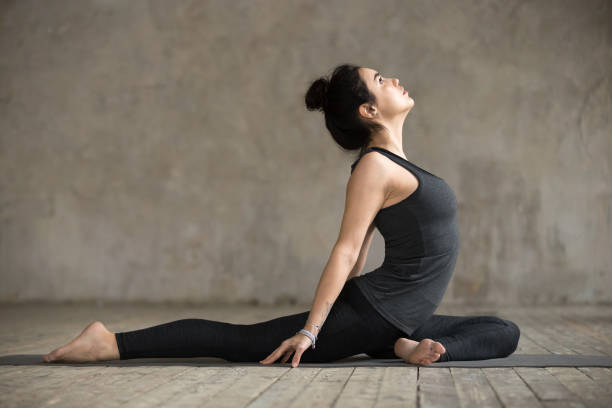
Each breath in Pigeon Pose invites healing. It encourages you to release not only muscular tension but also the emotional heaviness that often weighs down your spirit. As your hips soften and your chest opens, your heart follows. The feeling that arises after practicing Pigeon Pose can be one of pure lightness—a quiet freedom that words can hardly capture.
Step-by-Step Guide to Practicing Pigeon Pose
- Begin in Downward-Facing Dog
Start on your hands and knees, then lift your hips upward to form an inverted “V.” Take a few deep breaths here to prepare your body and calm your mind. - Bring Your Knee Forward
Gently bring your right knee forward and place it behind your right wrist. Your right ankle should be near your left wrist, allowing your shin to rest diagonally. - Extend the Back Leg
Slide your left leg straight back, keeping your toes pointed and your thigh resting on the mat. Your hips should remain squared to the front of your mat, not leaning to one side. - Lower Your Torso
Inhale deeply, lengthen your spine, and as you exhale, fold forward over your right leg. You can rest on your forearms or lower your forehead to the mat. Stay here for several breaths, letting your body gradually surrender to the stretch. - Lift and Open the Chest
Once you feel ready, gently press your palms into the mat and lift your chest. If your body allows, bend your back knee and reach your hands to hold your foot, moving into the full expression of Pigeon Pose. - Breathe and Release
Stay in this position for five to ten breaths, feeling the release in your hips and lower back. Slowly come out of the pose by returning to Downward-Facing Dog and repeat on the other side.
Benefits of Pigeon Pose
The Pigeon Pose offers a wide range of benefits that go beyond the physical. It brings harmony to the body and mind, making it a staple in many yoga sequences.
| Benefit Type | Description |
|---|---|
| Physical Benefits | Deeply stretches hip flexors, glutes, and thighs. Improves posture, spinal flexibility, and lower back strength. |
| Mental Benefits | Reduces stress, releases emotional tension, and improves focus. |
| Energetic Benefits | Opens the heart and root chakras, enhancing emotional balance and self-awareness. |
| Therapeutic Benefits | Helpful for sciatica relief, lower back pain, and improved circulation in the pelvic area. |
Each time you enter Pigeon Pose, you offer your body a chance to heal from the inside out. The longer you hold it, the more it works to dissolve hidden stiffness and old emotional wounds.
The Science Behind the Pose
From a physiological perspective, the deep stretch in the hip muscles during Pigeon Pose activates the parasympathetic nervous system, promoting relaxation and calmness. The gentle compression of the lower back and abdomen stimulates digestion and helps improve posture alignment.
Moreover, the act of holding this pose encourages mindful breathing. When you breathe deeply into tight areas, oxygen flows more efficiently, helping muscles relax and recover. This is one of the reasons Pigeon Pose is often included at the end of yoga sessions—it’s a moment to reset and rejuvenate.
Common Mistakes and How to Correct Them
Even though Pigeon Pose looks serene, it requires precision. Many practitioners make small mistakes that can lead to discomfort or strain.
- Tilting the Hips:
Keep your hips square to the front. Use a folded blanket under your hip if needed for balance. - Forcing the Fold:
Never push yourself too quickly. Let gravity guide your body into the pose naturally. - Overarching the Back:
When lifting your chest, avoid collapsing the lower spine. Engage your core for support. - Holding Breath:
Continuous, steady breathing is essential. Holding your breath creates tension and blocks the pose’s benefits. - Ignoring Pain Signals:
Discomfort is normal; pain is not. If you feel sharp pain in your knee or back, ease out immediately.
The Spiritual Message of Pigeon Pose
Pigeon Pose yoga is a meditation on vulnerability and strength. When you surrender your body to the earth and open your heart toward the sky, you embrace duality—the balance between grounding and rising, letting go and holding on.
This pose teaches patience. It reminds us that growth happens in stillness, not struggle. Just like the pigeon, which symbolizes peace and resilience, this pose allows you to reconnect with the still, gentle voice within.
The deeper you go into the pose, the more you learn about yourself. You realize that strength isn’t about control; it’s about trust. You learn to trust your body’s wisdom, to accept what it offers, and to release what no longer serves you.
Preparing Your Body for Pigeon Pose
Because of its intensity, it’s important to warm up properly before attempting this pose. Some effective preparatory poses include:
- Low Lunge (Anjaneyasana): Opens the hip flexors.
- Seated Forward Fold (Paschimottanasana): Stretches the hamstrings and lower back.
- Butterfly Pose (Baddha Konasana): Loosens the inner thighs and groin.
- Cat-Cow Stretch (Marjaryasana-Bitilasana): Prepares the spine for flexibility.
- Downward-Facing Dog (Adho Mukha Svanasana): Warms up the shoulders and legs.
Each of these poses gently awakens the muscles that support Pigeon Pose, helping you move into it with ease and safety.
Why Pigeon Pose is a Journey, Not a Destination
The magic of Pigeon Pose lies in the process, not the perfection. There is no single “right” way to do it—only your way. Some days your hips will open effortlessly; other days, they’ll feel locked. Both experiences are part of the journey.
Yoga is not about competition. It’s about connection. The Pigeon Pose is your teacher—it shows you where you are holding back and where you are ready to open. It reveals how emotions live in your body and how awareness can transform them into peace.
In every breath, you learn to let go of judgment. You learn that progress is measured not in how far you stretch, but in how deeply you breathe.
Advanced Variations of Pigeon Pose
Once you’re comfortable with the foundational version of Pigeon Pose, you can explore deeper variations that enhance flexibility and strength. These versions are beautiful extensions of the original pose, each adding a new layer of challenge and introspection.
- Reclined Pigeon Pose (Supta Kapotasana):
Perfect for beginners or those with knee issues, this version is practiced lying on your back. Cross one ankle over the opposite thigh and gently draw your legs toward your chest. It provides a similar hip-opening effect with less pressure on the joints. - King Pigeon Pose (Eka Pada Rajakapotasana II):
This is the full expression of the pose. After lifting your torso, bend your back leg and reach both hands overhead to grasp your foot, gently arching your back. It strengthens the spine, opens the chest, and enhances balance. - Twisted Pigeon Pose:
From the basic Pigeon position, twist your upper body toward your bent knee, placing the opposite elbow across it. This variation releases the spine and encourages detoxification through the twist. - Restorative Pigeon Pose:
Use yoga props like bolsters or folded blankets to support your hips and chest. This allows you to hold the posture longer and focus on breathing and mindfulness rather than flexibility.
Each variation of Pigeon Pose yoga meets you where you are in your practice. Whether you’re looking for physical relief or emotional clarity, there’s a version that will speak directly to your needs.
How to Deepen Your Pigeon Pose Practice
Mastering Pigeon Pose is not about forcing your body—it’s about allowing it. Deepening the pose requires patience, consistency, and awareness.
- Breathe Into the Stretch:
With each exhale, imagine your body melting into the mat. Deep, slow breaths will help the muscles release naturally. - Stay Longer:
Holding the pose for at least a minute or more helps break through layers of tension. Over time, the hips begin to open more fully. - Engage and Relax:
Alternate between engaging your muscles and relaxing them. This balance strengthens your body while teaching it to release tension. - Use Props Wisely:
Props aren’t signs of weakness—they are tools of alignment. Placing a block or folded blanket beneath your hip can make a huge difference in maintaining stability and comfort. - Be Present:
The Pigeon Pose is as much about mindfulness as it is about movement. Focus on the breath, the sensations, and the emotions that arise. That’s where the real transformation begins.
Pigeon Pose and Emotional Healing
Perhaps the most profound effect of Pigeon Pose lies in its emotional impact. The hips are often referred to as the “emotional junk drawer” of the body. When we experience stress, anger, grief, or anxiety, we unconsciously tighten our hips. This protective mechanism helps us cope temporarily, but over time, it traps emotions within the muscles.
When you enter Pigeon Pose and hold it, you begin to unravel that tension. Some practitioners even find themselves feeling teary or deeply moved during the pose. This is not weakness—it’s healing.
By releasing tightness in the hips, you symbolically and physically let go of stored pain and emotional blockages. The practice becomes a gentle invitation to forgive, to breathe deeper, and to return to a place of inner peace.
Integrating Pigeon Pose into Your Yoga Routine
To gain the full benefits of Pigeon Pose, it’s important to integrate it consistently into your practice. Here’s how you can include it effectively:
| Routine Type | When to Practice | Duration | Benefits |
|---|---|---|---|
| Morning Flow | After light warm-up poses like Cat-Cow and Downward Dog | 1–2 minutes per side | Opens the hips and sets a calm tone for the day |
| Midday Stretch | During a break from work or sitting | 1 minute per side | Relieves tension from long sitting hours |
| Evening Practice | Toward the end of your yoga session | 2–3 minutes per side | Promotes deep relaxation and better sleep |
Consistency is the key. The more frequently you practice, the more you’ll notice your flexibility, posture, and emotional clarity improving.
Common Challenges and How to Overcome Them
Pigeon Pose yoga can feel intense at first, especially for those with tight hips or lower back stiffness. Here are some challenges you might face and how to ease them:
- Tight Hips:
Start with Reclined Pigeon Pose or place props for support. Remember, progress takes time. - Knee Pain:
Always keep your front foot flexed to protect the knee joint. You can also shift your weight slightly forward or backward to find comfort. - Lower Back Discomfort:
Engage your core and avoid collapsing your spine. Proper alignment is essential for a safe practice. - Emotional Resistance:
If emotions arise, stay calm and breathe through them. Let them pass like waves—don’t fight them.
These small adjustments can make the posture not only more comfortable but also more effective.
Pigeon Pose for Strength and Posture
While the pose is known for its stretching benefits, it also builds remarkable strength. When you lift your chest and hold your balance, your core, thighs, and back muscles engage to stabilize your body. This enhances overall endurance and coordination.
Over time, Pigeon Pose also corrects postural imbalances caused by long hours of sitting or driving. By opening the hip flexors and aligning the spine, it restores natural posture and helps prevent lower back pain—a common problem in modern lifestyles.
The Connection Between Pigeon Pose and Breathing
In Pigeon Pose, breath is your anchor. Every inhale creates expansion; every exhale brings release. As your breath deepens, so does your stretch. Conscious breathing helps oxygenate your muscles, calm your nervous system, and quiet the mind.
This rhythmic connection between breath and movement is what transforms Pigeon Pose from a physical exercise into a meditative experience. You are no longer simply stretching—you are communicating with your body in its own language.
Beyond the Mat – Lessons from Pigeon Pose
The lessons learned through Pigeon Pose extend far beyond your yoga mat. They influence the way you approach life itself.
- Patience: Just as flexibility takes time, so does growth in life. Nothing blooms overnight.
- Letting Go: The more you release what no longer serves you, the lighter you become.
- Balance: True strength is found in balance—between action and rest, effort and surrender.
- Awareness: Staying present in the moment allows you to respond to life with clarity and calmness.
Practicing Pigeon Pose regularly cultivates these inner qualities, shaping not just a stronger body but a more peaceful mind.
A Journey of the Heart
Every time you come into Pigeon Pose, you are stepping into a space of vulnerability and courage. You are opening your heart to yourself, to healing, and to growth. It’s not about reaching a perfect form—it’s about creating a perfect connection.
The Pigeon Pose teaches that real freedom isn’t about how far you can stretch your body but how deeply you can open your heart. It reminds you that strength comes from softness, and surrender leads to strength.
When you rise from this pose, you often feel lighter, calmer, and more centered—as though you’ve released something invisible that was holding you back. That’s the real magic of yoga—it doesn’t just transform your body; it transforms your life.
Final Thoughts
The Pigeon Pose yoga is an invitation to explore the harmony between the physical and emotional self. It’s a journey that begins on the mat but ripples into every part of your being. It strengthens your body, soothes your mind, and softens your heart.
Whether you’re a beginner or an experienced practitioner, this pose will always meet you where you are. Every breath you take in it is a whisper of healing, every stretch a step closer to inner balance.
So, the next time you find yourself on the mat, surrender into the Pigeon Pose with an open heart. Let it remind you that healing is not a race—it’s a rhythm. It flows with patience, breath, and self-love.
Because in yoga, as in life, the more you open yourself to the experience, the more peace and grace you find waiting within.