

Introduction: A Journey Toward Pain-Free Living
Knee pain is one of the most common discomforts people face in their everyday lives. It can show up when climbing stairs, walking, exercising, or even while resting. For many, it’s a daily reminder that something deep within their body needs care. Yet, few realize that gentle, mindful movement through yoga can bring real and lasting relief.
Practicing yoga for knee pain is not just about physical healing. It’s about rebuilding trust with your body, regaining your strength, and allowing your joints to move with ease again. Yoga’s combination of breath, balance, and mindful stretching can restore the harmony between your muscles and bones, easing both tension and fear around movement.
This blog will be your complete guide to understanding how yoga can help reduce, and even prevent, knee pain. It will explore the causes, the best poses, emotional connections, and how to build a daily practice that heals your body naturally—without expensive treatments or harsh medications.
Table of Content
- 1. Understanding the Root Cause of Knee Pain
- 2. Why Yoga Works for Knee Pain
- 3. Safety First: Preparing for Your Practice
- 4. Best Yoga Poses for Knee Pain Relief
- 5. Gentle Flow Routine for Daily Practice
- 6. Breathing Techniques for Healing
- 7. Emotional Connection: Listening to Your Knees
- 8. Supporting Your Practice with Healthy Habits
- 9. Advanced Yoga Poses for Deeper Knee Support
- 10. Restorative Yoga: Healing Through Stillness
- 11. The Role of Mindfulness in Healing
- 12. Common Mistakes to Avoid in Yoga for Knee Pain
- 13. Yoga Props That Can Help
- 14. Building a Weekly Yoga Routine for Knee Care
- 15. Nutrition and Lifestyle Tips for Stronger Knees
- 16. Emotional Strength: Trusting the Process
- 17. Transforming Pain into Empowerment
- 18. Final Thoughts: Begin Today, Heal Tomorrow
1. Understanding the Root Cause of Knee Pain
Before we dive into the benefits of yoga for knee pain, it’s important to understand where that pain comes from. Knee pain isn’t always about the knees themselves; sometimes, it’s a result of weakness or imbalance in the hips, thighs, or even the ankles.
Here are the most common causes:
- Muscle imbalance: Weak quadriceps and tight hamstrings can pull unevenly on the knee joint.
- Arthritis or inflammation: Wear and tear can cause pain and stiffness in the joints.
- Injury or trauma: Accidents or sports injuries can damage ligaments or cartilage.
- Poor posture and gait: Misalignment in walking or sitting can strain the knees.
- Lack of movement: Sedentary habits reduce flexibility and joint lubrication.
Understanding the root cause helps you choose the right yoga for knee pain poses, ensuring that you move safely and effectively.
2. Why Yoga Works for Knee Pain
Yoga is not about pushing the body; it’s about listening to it. Through slow and mindful movement, yoga gently strengthens the muscles around the knee—especially the quadriceps, hamstrings, calves, and hip stabilizers.
Here’s how yoga helps relieve knee pain naturally:
- Improves flexibility: Stretching releases tension and allows freer joint movement.
- Enhances blood circulation: Brings nutrients and oxygen to repair damaged tissues.
- Strengthens muscles: Supports the knee joint, reducing load and pressure.
- Aligns body posture: Corrects imbalance between hips, legs, and feet.
- Promotes mindfulness: Teaches you to move with awareness, reducing injury risk.
Unlike high-impact exercises, yoga’s gentle approach nurtures your body while strengthening it, making it ideal for those suffering from pain or stiffness.
3. Safety First: Preparing for Your Practice
Before you begin practicing yoga for knee pain, take a few simple steps to protect your joints and ensure your session is safe and comfortable:
- Use a soft mat or folded blanket: Protects your knees from hard surfaces.
- Warm up properly: Gentle movements help increase blood flow.
- Move slowly and mindfully: Listen to your body’s signals and never force a pose.
- Avoid deep bends initially: Build strength and flexibility gradually.
- Breathe deeply: Let your breath guide each movement—it keeps your body relaxed.
If you’ve recently had surgery or suffer from severe arthritis, always consult a healthcare professional before starting.
4. Best Yoga Poses for Knee Pain Relief
Let’s explore some of the most effective yoga poses that bring comfort and flexibility to aching knees. Each of these poses can be performed slowly and gently, even by beginners.
1. Mountain Pose (Tadasana)
This foundational pose improves posture and strengthens the muscles supporting your knees.
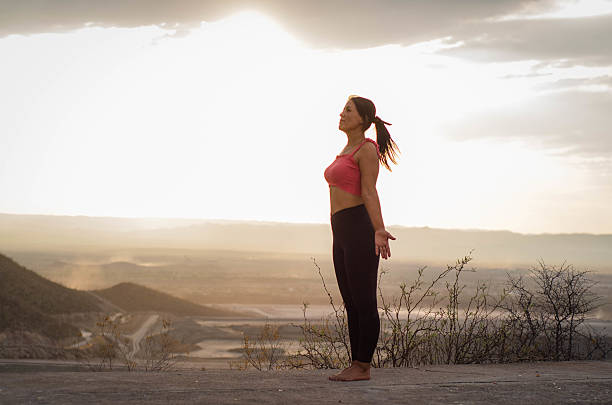
- Stand tall with feet together and spine straight.
- Engage your thighs and lift your kneecaps gently.
- Hold for 30 seconds, breathing deeply.
2. Bridge Pose (Setu Bandhasana)
Strengthens your hamstrings, glutes, and lower back while taking pressure off the knees.
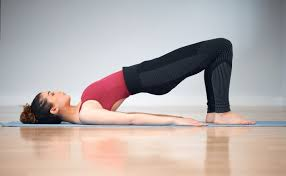
- Lie on your back, bend your knees, and keep your feet flat.
- Press into your heels as you lift your hips upward.
- Hold for 15–30 seconds, then lower gently.
3. Supported Chair Pose (Utkatasana)
Helps build strong thighs, reducing strain on the knees.
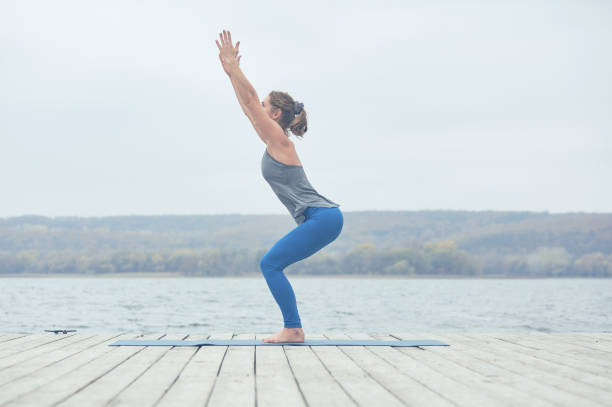
- Stand tall, feet hip-width apart.
- Bend slightly at the knees, as if sitting on a chair, keeping your spine straight.
- Hold for 20 seconds, then release slowly.
4. Warrior II (Virabhadrasana II)
Improves leg strength and alignment.
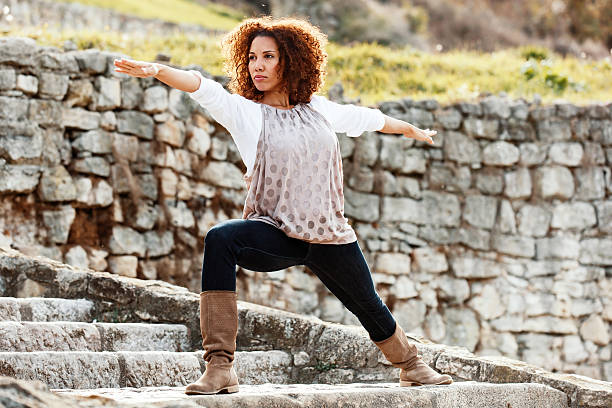
- Stand with your feet wide apart, right foot facing forward.
- Bend your right knee while keeping the left leg straight.
- Extend your arms out, gaze over the right hand, and hold.
5. Reclined Hand-to-Big-Toe Pose (Supta Padangusthasana)
Stretches hamstrings and relieves tension in the legs.
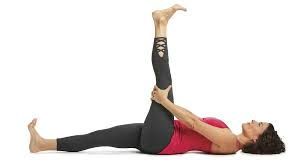
- Lie on your back and lift your right leg.
- Hold your foot with a strap or hand and gently pull toward you.
- Keep the opposite leg straight and breathe deeply.
Each of these poses works harmoniously to build stability, reduce inflammation, and enhance your joint’s range of motion.
5. Gentle Flow Routine for Daily Practice
If you’re looking for a short and easy-to-follow daily routine, here’s a gentle yoga for knee pain sequence that you can practice for just 15–20 minutes each day:
| Pose | Duration | Purpose |
|---|---|---|
| Mountain Pose | 1 minute | Posture and grounding |
| Bridge Pose | 2 minutes | Strengthens glutes and thighs |
| Supported Chair Pose | 1 minute | Builds knee stability |
| Warrior II | 2 minutes each side | Improves alignment |
| Child’s Pose | 3 minutes | Deep relaxation and release |
| Reclined Hand-to-Big-Toe | 2 minutes each leg | Stretches hamstrings |
| Corpse Pose | 5 minutes | Rest and mindfulness |
Performing this flow daily can dramatically reduce stiffness and improve flexibility in your knees over time.
6. Breathing Techniques for Healing
Pain often causes the body to tense up, and tension makes pain worse. That’s why combining your yoga for knee pain with deep breathing is so important.
Try this simple breathing exercise:
- Sit comfortably and close your eyes.
- Inhale deeply through your nose for four counts.
- Hold your breath for two counts.
- Exhale slowly through your mouth for six counts.
- Repeat for 5–7 minutes before or after your yoga practice.
This technique helps calm your nervous system, reduce stress, and support the body’s natural healing process.
7. Emotional Connection: Listening to Your Knees
Our knees carry more than just our physical weight—they also hold emotional burdens. According to yoga philosophy, knee pain can sometimes reflect resistance to change or unhealed emotional strain. When you practice yoga for knee pain, try to observe not just how your body feels, but what emotions arise.
As you stretch and breathe, release any feelings of frustration, fear, or pressure. Replace them with patience, forgiveness, and gratitude for the body that carries you every day.
Healing begins when you start to listen.
8. Supporting Your Practice with Healthy Habits
To make your yoga practice more effective, complement it with lifestyle changes that protect and strengthen your knees.
| Healthy Habit | Benefit |
|---|---|
| Maintain a healthy weight | Reduces pressure on knee joints |
| Eat anti-inflammatory foods | Reduces swelling and pain |
| Stay hydrated | Lubricates joints and muscles |
| Avoid sitting too long | Improves circulation |
| Walk mindfully | Strengthens supportive muscles |
Even small changes in daily habits can create big results when combined with your yoga routine.
9. Advanced Yoga Poses for Deeper Knee Support
Once your knees begin to feel stronger and more stable, you can gently move toward advanced postures that further enhance flexibility, strength, and alignment. These poses should only be attempted after consistent practice of the beginner-level yoga for knee pain postures from Part 1.
1. Extended Triangle Pose (Trikonasana)
This pose improves hip and leg alignment while gently stretching the hamstrings and strengthening the quadriceps, which play a vital role in supporting the knees.
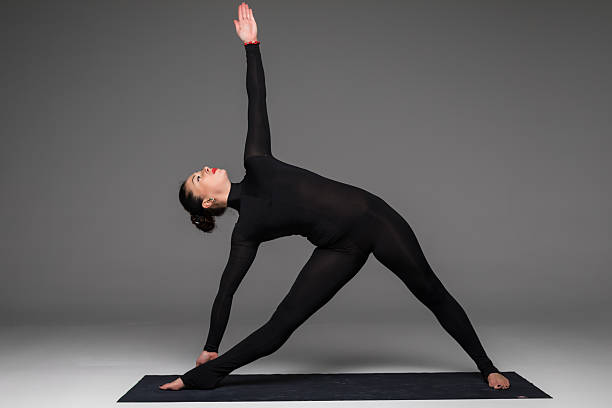
- Stand with your feet wide apart.
- Turn your right foot forward and your left foot slightly inward.
- Extend your arms out to shoulder height and bend at the right hip, bringing your hand toward your ankle or shin.
- Look upward, keeping both legs straight and engaged.
- Hold for 30 seconds and switch sides.
2. Supported Half Squat (Ardha Malasana)
This pose increases hip mobility and flexibility while reducing stiffness around the knee joint.
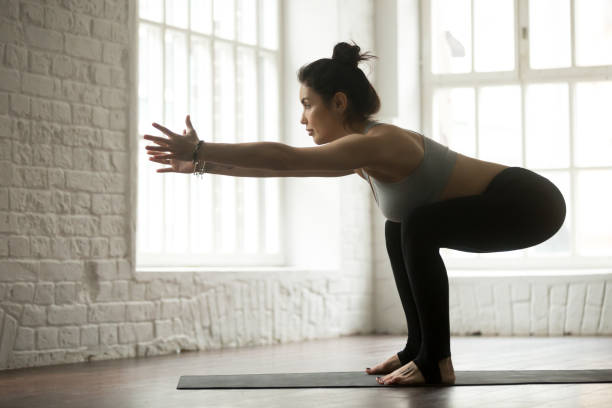
- Start with your feet wide apart.
- Shift your weight onto one side, bending one knee and keeping the other leg extended.
- Keep your toes pointing upward on the extended leg.
- Rest your hands on the floor for support and breathe deeply.
3. Bridge Pose Variation (Eka Pada Setu Bandhasana)
This strengthens the glutes, hamstrings, and quadriceps, improving overall knee stability.
- Lie on your back with knees bent and feet flat on the floor.
- Lift your hips as you did in the traditional Bridge Pose.
- Extend one leg straight, holding the position for a few breaths before switching sides.
4. Locust Pose (Salabhasana)
This gentle backbend strengthens the entire posterior chain, including the hamstrings and calves, which are essential for knee support.
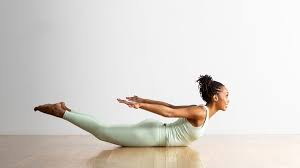
- Lie on your stomach with your arms at your sides.
- Inhale and lift your chest, arms, and legs off the ground.
- Keep your gaze forward and hold for 15–20 seconds before lowering down.
These advanced postures help balance the muscles surrounding the knees, giving the joints long-term strength and resilience.
10. Restorative Yoga: Healing Through Stillness
While strengthening poses are important, stillness and recovery are equally vital when practicing yoga for knee pain. Restorative yoga allows your body to deeply relax, reducing inflammation and giving your joints the rest they need to heal naturally.
Here are a few restorative postures that can bring soothing relief:
- Supported Child’s Pose (Balasana): Use a bolster or pillow under your torso and knees for comfort. Stay here for 3–5 minutes, focusing on slow, deep breaths.
- Legs-Up-the-Wall Pose (Viparita Karani): Lie on your back with your legs resting against a wall. This pose boosts circulation and reduces swelling in the knees.
- Reclined Bound Angle Pose (Supta Baddha Konasana): Lie on your back with the soles of your feet together and knees gently apart. Use cushions to support your knees if needed.
These gentle poses help your nervous system calm down, reduce joint stiffness, and create a feeling of inner peace.
11. The Role of Mindfulness in Healing
Physical pain often has emotional roots. Stress, anxiety, and emotional strain can increase muscle tension and worsen inflammation. That’s why mindfulness is such a key part of yoga for knee pain.
When you breathe mindfully, move consciously, and focus on the present moment, your body responds with relaxation and improved circulation. Try to approach your yoga practice not as an exercise routine, but as a moving meditation.
Here’s a simple mindfulness technique to use during your poses:
- As you inhale, silently repeat, “I am strong.”
- As you exhale, repeat, “I am healing.”
- Let these words guide your movements, keeping your heart calm and your mind centered.
When practiced daily, this mental approach enhances your physical recovery and emotional well-being.
12. Common Mistakes to Avoid in Yoga for Knee Pain
Even though yoga is gentle, incorrect alignment can make knee pain worse. Here are a few key things to avoid:
- Overstretching: Flexibility takes time—never force your joints.
- Knees extending past toes: In poses like Chair or Warrior, this can strain the joint.
- Uneven weight distribution: Always balance weight equally between both legs.
- Holding your breath: Breathing deeply keeps muscles relaxed and oxygenated.
- Ignoring pain signals: Discomfort means your body needs you to pause.
The secret to safe practice is patience. Small, mindful progress every day leads to real healing over time.
13. Yoga Props That Can Help
Using props doesn’t mean you’re weak—it means you’re smart about protecting your body. Props make yoga for knee pain safer and more effective, especially if you’re a beginner.
Here’s how they can help:
| Prop | How It Helps |
|---|---|
| Yoga blocks | Support balance in standing poses |
| Bolster or pillow | Adds comfort and cushioning under knees |
| Strap | Helps extend reach in hamstring stretches |
| Blanket | Provides softness for kneeling poses |
| Wall | Aids stability in balance postures |
These tools give you the confidence to explore poses without fear of hurting your knees.
14. Building a Weekly Yoga Routine for Knee Care
Consistency is key when practicing yoga for knee pain. You don’t need to spend hours each day; even a short, focused session can bring transformation over time.
Here’s a simple example of how you can structure your week:
| Day | Focus | Recommended Poses |
|---|---|---|
| Monday | Strength Building | Chair Pose, Warrior II, Bridge Pose |
| Tuesday | Flexibility | Reclined Hand-to-Big-Toe, Triangle Pose |
| Wednesday | Restorative Practice | Legs-Up-the-Wall, Child’s Pose |
| Thursday | Balance | Tree Pose, Mountain Pose |
| Friday | Mobility | Supported Half Squat, Locust Pose |
| Saturday | Deep Stretch | Reclined Bound Angle, Supta Padangusthasana |
| Sunday | Full Flow | Combine all beginner and advanced poses |
Consistency over intensity is the path to true healing.
15. Nutrition and Lifestyle Tips for Stronger Knees
Yoga heals, but your diet and daily habits also play a major role in maintaining joint health. Supporting your yoga for knee pain routine with the right nutrition helps your body recover faster.
Here’s what to include in your daily meals:
- Calcium-rich foods: Dairy, sesame seeds, and leafy greens strengthen bones.
- Vitamin D: Spend time in sunlight to aid calcium absorption.
- Omega-3 fatty acids: Found in walnuts, flaxseeds, and fish, they reduce inflammation.
- Antioxidants: Berries and colorful vegetables combat cell damage.
- Water: Staying hydrated keeps your joints lubricated and flexible.
Also, avoid sitting for too long, wear supportive footwear, and stretch your legs every few hours—your knees will thank you.
16. Emotional Strength: Trusting the Process
Healing knee pain is not just about movement—it’s about learning patience, compassion, and faith in your body’s wisdom. The practice of yoga for knee pain teaches you to slow down, listen, and trust the natural process of recovery.
There will be days when you feel progress and others when the pain seems to return. That’s normal. Healing is not a straight road—it’s a journey with curves and lessons.
When you roll out your mat, remember:
You are not your pain.
You are strength in motion.
Every stretch, every breath, and every mindful movement brings you closer to a body that feels lighter and freer.
17. Transforming Pain into Empowerment
The most beautiful thing about yoga is that it gives you back control. Instead of feeling helpless or dependent on medication, you learn how to move, breathe, and nurture your body in ways that bring real change.
Practicing yoga for knee pain is more than physical therapy—it’s self-empowerment. Each pose becomes a reminder that your body is capable of healing, your mind is strong, and your spirit is resilient.
As your knees grow stronger, you’ll begin to move differently in daily life. Walking, climbing stairs, or even sitting down will feel more natural. This isn’t just about getting rid of pain—it’s about reclaiming your confidence and joy in movement.
18. Final Thoughts: Begin Today, Heal Tomorrow
If you’ve read this far, it means you’re ready to take control of your health and begin a journey that’s about more than just pain relief. Yoga is not a quick fix—it’s a lifelong companion that teaches you how to listen, care, and grow stronger from within.
Your yoga for knee pain journey starts with a single breath, a single stretch, and a decision to trust your body again. Each day you practice, you plant seeds of strength and peace that will continue to grow throughout your life.
So, unroll your mat today. Move slowly, breathe deeply, and let every movement remind you that your body is designed not just to endure—but to heal, to thrive, and to dance freely once again.