

There comes a point in every yogi’s journey when the body begins to whisper, “There’s more.” The stretches become smoother, the breath more synchronized, and the mind calmer. And that’s when the heart begins to crave a deeper challenge — a space where strength, balance, and grace merge into something extraordinary. That’s the essence of advanced yoga poses.
Advanced yoga poses are not just physical achievements; they’re symbols of dedication, patience, and spiritual awakening. They remind us that the limits we perceive are often illusions created by fear or doubt. When practiced with mindfulness, these poses can awaken a new level of inner confidence and stillness.
This article explores the power, beauty, and discipline of advanced yoga poses — how they shape not only the body but the entire being. Whether you’re a passionate beginner curious about your future path or an experienced practitioner ready to deepen your practice, this journey will inspire you to go beyond what you thought was possible.
The Essence of Advanced Yoga Poses
Advanced yoga poses are the evolution of your practice. They require more than flexibility or strength — they ask for mental focus, emotional balance, and spiritual surrender. Each pose becomes a mirror reflecting who you are in that exact moment — patient or restless, focused or distracted, confident or uncertain.
These poses demand presence. You can’t fake your way into a handstand or a scorpion pose. You must earn it through awareness, alignment, and breath. And in doing so, you discover the quiet truth that yoga has whispered all along — that true mastery begins with humility.
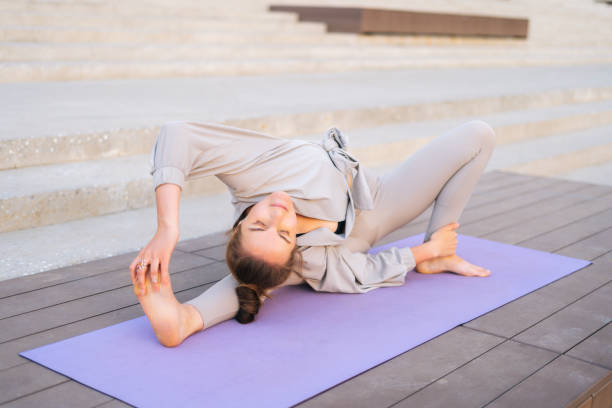
When you challenge yourself with advanced yoga poses, the aim is not perfection but connection. You’re not performing for an audience but dancing with your own strength, rhythm, and breath.
Preparing for Advanced Yoga Poses
Before attempting advanced yoga poses, preparation is essential. Jumping into complex movements without readiness can cause injury and frustration. Here’s what you need to cultivate first:
- Strong Foundation:
Every advanced pose is built upon basic postures. Perfecting foundational poses like Downward-Facing Dog, Plank, Warrior II, and Crow Pose is essential. - Controlled Breath (Pranayama):
Breath fuels movement. Learning to control your breath helps stabilize your body during intense poses and keeps your mind calm. - Core Strength:
Most advanced yoga poses, especially arm balances and inversions, depend on a powerful core. Engaging your abdominal muscles provides balance and stability. - Patience and Practice:
The body evolves over time. Regular, consistent practice brings progress that is sustainable and safe. - Mindset of Compassion:
Advanced yoga poses are not competitions. Every body has its own journey, and self-kindness is essential.
Advanced Yoga Poses: The Path to Mastery
Now let’s explore some of the most iconic and transformative advanced yoga poses — each with its unique power and purpose.
1. Forearm Stand (Pincha Mayurasana)
This elegant inversion strengthens the shoulders, arms, and core while improving balance and focus. To perform it, you rest your forearms on the mat and kick your legs up into the air, aligning your hips over your shoulders.
The forearm stand teaches courage. The moment you lift your feet off the ground, fear often appears — fear of falling, of losing control. But with practice, you realize the fall isn’t failure; it’s part of the flight.
2. Scorpion Pose (Vrschikasana)
Scorpion Pose is a blend of power and beauty. It’s performed by balancing on your forearms while arching your back so that your feet move toward your head.
This pose embodies fearlessness. It demands deep back flexibility and intense concentration. As you balance upside down, you experience the duality of strength and surrender — your muscles engage fiercely while your mind must stay soft and calm.
3. Eight-Angle Pose (Astavakrasana)
This powerful arm balance involves twisting the body while supporting it on the hands. It strengthens the arms, wrists, and obliques while challenging mental focus.
Eight-Angle Pose is about resilience. The first attempts might feel impossible — your body may tremble, your elbows might bend — but each try teaches you control and awareness.
4. Firefly Pose (Tittibhasana)
This pose looks like a firefly hovering in the air. It stretches the hamstrings, strengthens the arms, and improves core power.
Firefly Pose demands balance between effort and grace. It symbolizes transformation — just as a firefly glows through darkness, this pose helps you shine through challenge.
5. King Pigeon Pose (Eka Pada Rajakapotasana)
This breathtaking pose opens the chest, shoulders, and hips while deepening flexibility. It’s both a heart opener and a test of patience.
In King Pigeon, the beauty lies in vulnerability. As you bend backward, exposing your heart and throat, you release emotional tension stored deep within. Many practitioners describe it as a healing posture — one that opens not only the body but also the soul.
6. Handstand (Adho Mukha Vrksasana)
One of the most admired advanced yoga poses, the handstand embodies balance, strength, and trust. It requires shoulder power, core control, and immense focus.
The journey toward handstand is humbling. You fall, wobble, and rise again — and each attempt strengthens not just the body but the spirit. It’s a reminder that even upside down, you can find stability when your focus is steady.
7. Peacock Pose (Mayurasana)
In this pose, the body is balanced horizontally on the arms, resembling a peacock’s proud stance. It improves digestion, strengthens the arms, and enhances balance.
The peacock is a symbol of elegance and inner confidence. Practicing Mayurasana teaches you to trust your body — to lift yourself up, literally and emotionally, even when it feels impossible.
8. Wheel Pose (Chakrasana)
Wheel Pose is a classic backbend that stretches the entire front body, strengthens the spine, and energizes the heart. It’s often seen as a gateway to advanced flexibility.
This pose invites you to open up to life. As you push into the ground and arch your back, it’s as though you’re opening your heart to the world — saying yes to growth, love, and transformation.
9. Bound Angle Headstand (Baddha Konasana Sirsasana)
Combining the balance of a headstand with the flexibility of a bound angle, this pose challenges focus and breath control.
It teaches mindfulness in movement — reminding you that even the most complex positions can feel effortless when approached with calm and consistency.
10. Lotus in Headstand (Padma Sirsasana)
This pose blends meditation and inversion — a true symbol of yogic mastery. Achieving it requires years of practice in hip flexibility and balance.
Lotus in Headstand represents spiritual alignment. When your body finds stillness upside down, your mind enters a quiet state of expansion — where peace becomes more than a thought; it becomes a feeling.
The Emotional Journey Through Advanced Yoga Poses
Practicing advanced yoga poses is not about showing off or achieving perfection. It’s about peeling away the layers of self-doubt and fear that hold you back. Every inversion teaches courage, every arm balance strengthens patience, and every backbend opens your heart to new possibilities.
There will be moments of frustration — times when your body feels heavy or your arms tremble. But these moments are your teachers. They remind you that progress in yoga, as in life, is not linear.
Advanced yoga poses become metaphors for resilience. You fall and rise again. You struggle and then surrender. And in that balance of effort and ease, something magical happens — you grow.
The Mind-Body Connection in Advanced Yoga
When you engage in advanced yoga poses, your body and mind move in perfect harmony. The physical discipline trains your muscles; the mental focus trains your awareness. Together, they create a state of flow — where thought, movement, and breath merge into one seamless experience.
Inversions teach you trust. Balances teach you stillness. Backbends teach you courage. Twists teach you release. Each pose is a conversation with your inner self — asking you to listen, adjust, and grow.
Safety and Alignment Tips for Advanced Yoga Poses
- Warm Up Properly: Never attempt deep stretches or inversions with cold muscles. Begin with sun salutations or light flows.
- Use Props: Blocks, straps, and walls are your allies. They provide support and help you understand alignment safely.
- Engage the Core: Core activation protects your lower back and keeps your balance stable.
- Work with a Teacher: Guidance from an experienced instructor can prevent injuries and accelerate your growth.
- Listen to Your Body: Pain is not progress. Honor your limits and move with awareness.
Breathing: The Silent Power Behind Every Pose
The secret behind mastering advanced yoga poses lies in the breath. When your breathing is calm, your body follows. The mind might panic when you’re upside down or stretched deeply, but the breath reminds you that you are safe.
Inhale — you grow stronger.
Exhale — you surrender deeper.
Breath transforms each pose from a challenge into a meditation. It is the invisible thread connecting strength with serenity.
The Spiritual Meaning Behind Advanced Yoga Poses
Every advanced yoga pose tells a silent story. It’s not about how far you bend or how long you balance; it’s about what happens inside while you do it. When you challenge your physical edge, your ego begins to soften, and your awareness sharpens. That is where true yoga begins.
Inversions teach humility — they literally turn your world upside down and show you a new perspective. Backbends open the heart — not just physically but emotionally, inviting healing and compassion. Arm balances demand focus and courage — teaching you that true stability begins within.
When you hold an advanced pose, the mind wants to escape. It whispers, “This is too hard,” or “I can’t do this.” But when you stay with your breath, your body learns to trust itself, and your spirit finds peace in the challenge. That moment of surrender is the essence of yoga — the place where strength and softness meet.
Building a Relationship with the Body
Practicing advanced yoga poses helps you form a profound connection with your body. You start to understand its limits, strengths, and language. You learn when to push and when to rest. Each pose becomes a form of communication — a dialogue where the body speaks through sensations and the mind responds with patience.
The beauty of this relationship is that it’s deeply personal. No one else can tell you exactly how your body feels or how far it should go. Yoga teaches you to listen — to honor discomfort without turning it into pain, to celebrate progress without chasing perfection.
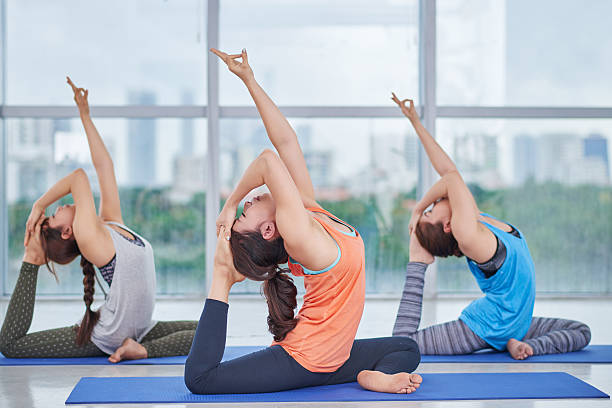
When you finally hold a pose that once seemed impossible, it’s not just a physical victory. It’s an emotional release — proof that your persistence and love for the practice have transformed you from within.
How Advanced Yoga Poses Change Your Energy
Yoga is movement, but it’s also energy. Every advanced yoga pose shifts the energy within your body. Inversions move energy from the lower chakras (associated with grounding and survival) to the higher chakras (connected with intuition and spiritual insight). Backbends activate the heart chakra, promoting compassion and love. Twists cleanse the body’s energy channels, removing stagnation and renewing flow.
When you align your breath with these poses, you awaken the body’s internal vitality — called prana in Sanskrit. You start to feel lighter, more awake, and more connected to life itself. This energy doesn’t fade when you roll up your mat; it stays with you, guiding your choices, reactions, and inner calm throughout the day.
The Emotional Side of Advanced Yoga Poses
It’s often said that yoga releases what we’ve been holding inside — both physically and emotionally. Advanced yoga poses amplify that release. The deeper you go into the body, the more layers of emotion you uncover.
Sometimes, during a deep heart opener like King Pigeon Pose, you might feel tears well up. In a long inversion, you might experience waves of anxiety or exhilaration. These emotions are not random — they are stored energy being released. Yoga gives those feelings a safe path out, helping you cleanse the mind just as you strengthen the body.
The emotional transformation is what makes advanced yoga so powerful. It’s not about how you look in a pose; it’s about how you feel in it — grounded, open, fearless, and free.
Benefits of Advanced Yoga Poses
Let’s explore how these postures can transform your body, mind, and soul.
| Category | Benefits of Advanced Yoga Poses |
|---|---|
| Physical | Builds strength, balance, flexibility, endurance, and posture |
| Mental | Improves focus, discipline, and patience; reduces anxiety and stress |
| Emotional | Encourages self-confidence, resilience, and emotional release |
| Energetic | Balances chakras, boosts circulation, and revitalizes prana flow |
| Spiritual | Deepens awareness, mindfulness, and connection to inner peace |
These benefits don’t arrive overnight. They grow gradually, just as a tree grows unseen roots before it blooms. Every practice plants a seed of transformation — and one day, that seed becomes your unshakable confidence.
Mastering Fear Through Advanced Yoga Poses
Fear is one of the greatest teachers on the mat. Whether it’s fear of falling in a handstand or fear of opening your heart in a deep backbend, it’s there to guide you. Advanced yoga poses help you face fear — not by avoiding it but by breathing through it.
When you fall, you learn resilience. When you try again, you learn courage. And when you finally succeed, you learn self-trust.
Each fall becomes less frightening and more enlightening. You realize that every time you get back up, you’re not the same person who fell — you’re stronger, calmer, and more present.
The Discipline Behind the Grace
People often look at advanced yoga practitioners and see effortless grace. What they don’t see are the hours of quiet discipline, the early mornings, the sore muscles, and the patient repetition.
Advanced yoga poses are built not on talent but on devotion. It’s about showing up — even on days when the body feels tired or the mind feels distracted. It’s about believing in progress, not perfection.
Over time, this discipline seeps into other areas of life. You become more focused at work, more patient with challenges, and more compassionate with others. The lessons from the mat begin to shape who you are beyond yoga.
Breath: The Bridge Between Effort and Ease
No matter how advanced the pose, the true art lies in maintaining steady breath. Breath connects the physical and spiritual aspects of yoga. It’s your compass — guiding you when to move, when to pause, and when to surrender.
In difficult poses, your breath may become shallow or uneven, signaling strain. But when you return to calm breathing, the body softens, and the mind regains clarity. That balance between effort and ease is what transforms physical poses into meditative flow.
Breathing through discomfort teaches a powerful life lesson: peace is not found by escaping difficulty, but by moving through it with awareness.
Common Challenges and How to Overcome Them
- Impatience: Many students want to master poses quickly. Remember, yoga is not a race. Progress comes from consistency, not speed.
- Fear of Falling: Use props, walls, or a teacher’s guidance. Falling is part of learning.
- Lack of Flexibility: Practice daily with gentle warm-ups and dynamic stretches. Flexibility grows slowly and beautifully.
- Mental Distraction: Bring your focus to the breath. The mind will wander — gently bring it back every time.
- Comparison: Every body is unique. Honor your personal journey instead of measuring it against others.
Creating a Home Practice for Advanced Yoga Poses
Building a consistent home practice allows you to explore advanced yoga poses safely and freely.
- Set a Sacred Space: Create a clean, calm area with a mat, natural light, and quiet energy.
- Warm Up: Begin with foundational poses and sun salutations to awaken your muscles.
- Choose 2–3 Advanced Poses: Focus on them deeply rather than rushing through many.
- Use Props: Blocks, straps, or bolsters help with alignment and prevent strain.
- Reflect After Practice: Sit quietly for a few minutes, observing how you feel.
Your home practice becomes a mirror of your inner world — some days flowing easily, other days full of resistance. Both are valuable, for both teach you who you are.
The Emotional Triumph of Advanced Yoga Poses
There’s something deeply emotional about finally holding a pose that once seemed unreachable. You remember every fall, every frustration, every doubt — and then suddenly, you’re there, balanced, breathing, strong.
It’s not pride you feel, but gratitude. Gratitude for your body’s resilience, for your mind’s persistence, and for the practice that has carried you this far. That feeling — that moment when you realize your power — is what yoga is truly about.
Advanced Yoga Poses and Life Beyond the Mat
The lessons of advanced yoga poses ripple far beyond the studio. They shape the way you live, love, and respond to life.
- When challenges arise, you breathe through them instead of reacting impulsively.
- When life feels upside down, you remember your balance — learned from inversions.
- When emotions feel heavy, you open your heart like in a backbend — brave and vulnerable.
Yoga trains you for life’s deeper work: patience, compassion, resilience, and grace.
Final Reflection: The True Meaning of Advanced Yoga Poses
At its heart, advanced yoga is not about physical skill. It’s about presence. It’s about the quiet strength that grows in your soul when you keep showing up, even when it’s hard.
When your body trembles and your breath steadies, that’s yoga.
When your fear rises and you stay anyway, that’s yoga.
When your heart opens and peace flows through you — that’s yoga.
Advanced yoga poses are not the destination. They are doorways — each one leading you closer to your highest, most authentic self.
So wherever you are in your journey, remember this: the real progress is not in how perfectly you can twist or balance, but in how deeply you can breathe, how gently you can move, and how fully you can live each moment.