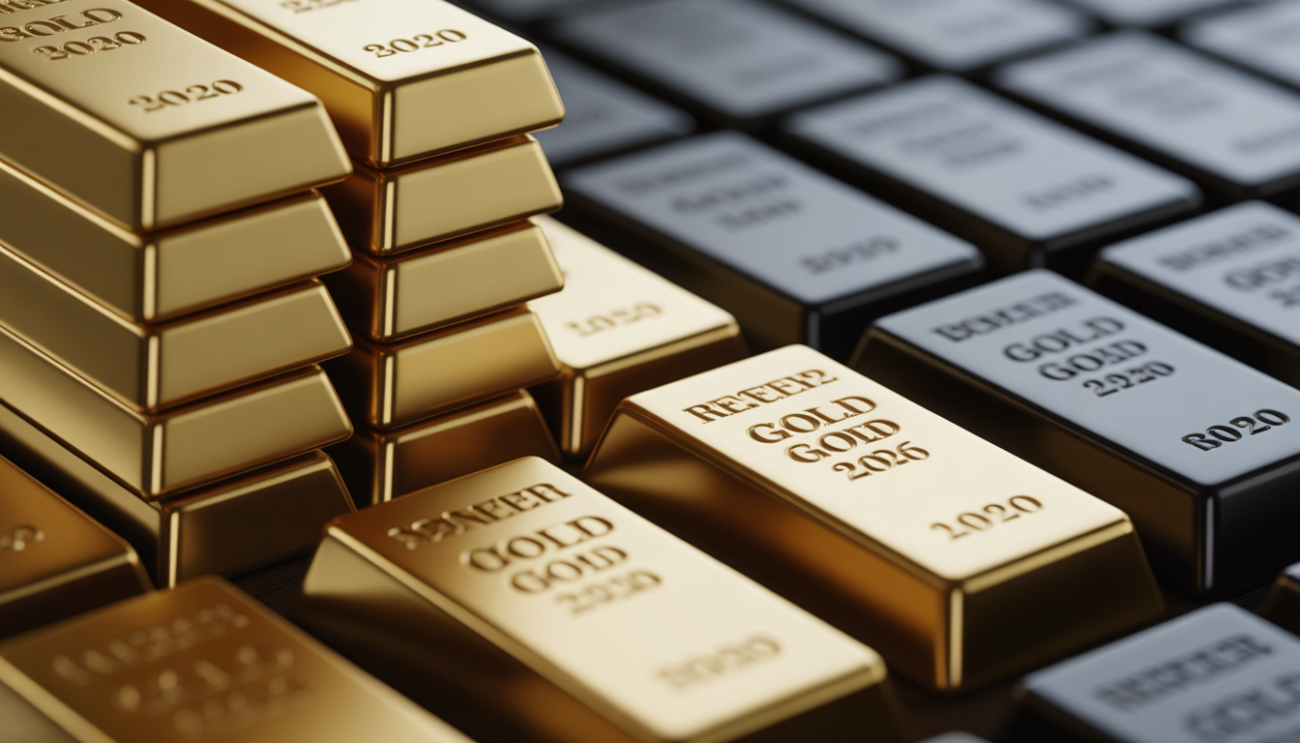
The year 2026 is off to a troubling start for the global economy. A major war has broken out in the Middle East between the United States, Israel, and Iran. Oil prices have shot above $100 per barrel. Stock markets are tumbling around the world. All of this has made investors very worried. They are afraid the economy could slide into a recession. Because of these fears, investors are doing something very simple. They are selling stocks and buying things that are safe. They are buying gold. They are buying US dollars. They are buying government bonds. This is called a “flight to safety.”
What Is a Recession and Why Are People Afraid of One in 2026?
A recession is a period when the economy stops growing and starts shrinking. People lose jobs. Businesses close. Money becomes hard to get. No one wants a recession.
In 2026, several things are making people afraid that a recession could happen.
First, there is the war. The conflict between the US, Israel, and Iran is not a small fight. It involves major military strikes and has spread across the entire Middle East region. Iran has launched retaliatory missile attacks on US-linked targets in Gulf countries like Kuwait, the UAE, Bahrain, Qatar, and Saudi Arabia . The fighting has even threatened the Strait of Hormuz, a narrow waterway where about one-fifth of the world’s oil passes every day . If that strait closes, oil prices could go much, much higher.
Second, oil prices are already way up. Brent crude hit $100 per barrel. This is bad for the economy because almost everything runs on energy. When oil is expensive, gas prices go up. Food prices go up. Shipping costs go up. People have less money to spend on other things. Businesses earn less profit. The whole economy slows down.
Third, stock markets do not like uncertainty. When investors do not know what will happen next, they sell first and ask questions later. Global shares have tumbled on the oil price spike. This makes people feel poorer, so they spend less money. That also slows the economy.
Strategists at Barclays Plc warned investors not to quickly buy any dip in stocks. They said this conflict risks lasting longer than past geopolitical flare-ups . The risk-reward does not look good right now.
What Are Safe-Haven Assets?
Safe-haven assets are investments that people buy when they are scared. These are things that usually hold their value or even go up when the rest of the market is falling. They are like an umbrella in a rainstorm. You do not need one when the sun is shining. But when the storm comes, you are very glad to have it.
The most popular safe-haven assets right now are gold, the US dollar, and government bonds. Investors are also looking at the Swiss franc and even bitcoin as places to hide from the storm .
One strategist put it simply: investors are now adopting a strategy of “haven first, ask questions later” . This means they are moving money to safety right away. They will figure out the details later.
Why Gold Is the Top Safe Haven Right Now
Gold has always been the classic safe haven. People have trusted gold for thousands of years. In 2026, that trust is paying off in a big way.
Gold Prices Are Hitting Record Highs
The numbers are stunning. Gold prices have shattered the $5,100 per ounce ceiling and have gapped as high as $5,419 in early March trading . This is an unprecedented rally. Some analysts even see gold testing $10,000 over the medium term .
To understand how big this is, consider that gold surged roughly 65 percent in 2025 alone. That was its biggest annual gain since 1979 . And the rally is continuing into 2026.
The reason is simple: gold is seen as insurance against chaos. One expert called it “systemic risk insurance” for big investment portfolios . When the world feels unsafe, people want gold.
Why Is Gold Doing So Well?
Several forces are driving gold higher.
The Middle East war is a major factor. When the news broke that Iran’s Supreme Leader was killed in US-Israeli strikes, gold prices shot up immediately . Investors rushed to safety.
There is also something called “de-dollarisation” happening. This is a fancy word that means some countries are moving away from holding US dollars. When Russia’s dollar reserves were frozen by Western countries, it sent a message to many nations: your money can be taken away if you make the wrong political moves . Gold has no such risk. It carries no political allegiance. It is neutral. Central banks, led by China and other emerging markets, are now buying gold at a record pace of about 60 tonnes per month . This creates a permanent floor under the price.
Inflation fears are also helping gold. With oil prices spiking and tariffs being imposed, people worry that the cost of living will keep going up. Gold has historically been a good hedge against inflation .
What Experts Say About Gold
Financial experts are very bullish on gold right now.
Chris Wood, the Global Head of Equity Strategy at Jefferies, made a remarkable claim. He said gold could easily reach $10,000 within five years . He believes gold is in a powerful structural bull market driven by geopolitical risk and central bank buying.
Kyle Rodda, a senior financial market analyst at Capital.com, said that unlike previous flare-ups in the Middle East conflict, this one appears different. Both sides have strong reasons to keep escalating . This creates a “chaotic and prolonged period of uncertainty.” And that is positive for gold.
A financial historian named Edward Chancellor recently warned about energy constraints and geopolitical tensions reshaping markets. He made the case for gold over bonds and expensive growth stocks .
UBS analysts have raised their price forecast for gold to $5,600 an ounce by the end of the year. They point to a move out of US assets, greater interest among investors, and strong physical demand .
Other Safe-Haven Assets Investors Are Buying
Gold is not the only place where investors are hiding. Money is flowing into several other safe assets.
The US Dollar
The US dollar is the world’s reserve currency. When trouble strikes, people around the world want dollars. This is happening right now. The US Dollar Index has moved higher as investors seek the safety of American currency . Even though the conflict involves the US, the dollar remains strong because it is the most liquid and trusted currency in the world.
Government Bonds
US Treasuries are also seeing strong demand. When stocks fall, bonds often rise. Short-term yields have sunk to levels not seen since 2022 . This shows that investors are willing to accept very low returns just to have their money in a safe place.
Gregory Faranello, head of US rates at Amerivet Securities, said there is room below for Treasury yields if investors want safe havens .
The Swiss Franc
The Swiss franc is another traditional safe haven. It has edged higher against major currencies as traders seek safety . Switzerland is a neutral country with a strong economy and banking system. In times of trouble, the franc tends to go up.
Bitcoin
Even bitcoin is seeing some safe-haven demand. The cryptocurrency recovered and was trading around $68,000. Put options on bitcoin worth $1.87 billion were concentrated at the $60,000 level, showing that investors want downside protection . Some people see bitcoin as “digital gold,” though it is much more volatile than actual gold.
What This Means for Regular Investors
If you are a regular person with some savings, you might wonder what all of this means for you.
The most important thing to understand is that diversification matters. This means not putting all your eggs in one basket. A mix of different investments can protect you when one part of the market falls.
Financial experts suggest that regular investors should typically allocate around 15 percent of their portfolio to gold . For more aggressive investors who want stronger protection against stock market swings, it should be slightly higher.
Gold should be seen as insurance, not as a way to get rich quick. It does not pay interest or dividends. Its role is defensive . It protects your wealth when everything else is going down.
For most people today, buying gold through ETFs or funds makes more sense than buying physical gold. These financial products offer liquidity, transparency, and are easy to trade .
What Happens Next?
No one knows for sure what will happen next. It depends on the war.
If the conflict ends quickly and the Strait of Hormuz stays open, oil prices could come down. Stocks might recover. Some of the fear could fade. But if the fighting drags on and spreads, things could get much worse.
JPMorgan Private Bank strategists warn that for investors, the ripple effects could reach across the global economy and financial system. Energy is central to these risks. Even the possibility of disruption can quickly affect production costs, consumer prices, and market sentiment .
Their advice is that portfolios should be built for resilience, with both gold and exposure to sectors that governments consider strategically important.
BMO Economics notes that while there is a wide range of possible outcomes for precious metals prices, they place more emphasis on the upside risks. This is because there is a continued abundance of policy, economic, and geopolitical uncertainties . One thing seems clear: higher volatility is here to stay.
A Simple Summary
The year 2026 has brought serious recession fears. A major war in the Middle East has sent oil prices above $100 per barrel. Stock markets are falling around the world. Investors are scared.
In response, they are doing what investors have done for centuries. They are moving money to safe places. They are buying gold, which has surged past $5,100 per ounce to record highs. They are buying US dollars and government bonds. They are even looking at the Swiss franc and bitcoin.
Gold is doing especially well because it is seen as insurance against chaos. Central banks are buying it. Individual investors are buying it. Experts think it could go much higher.
For regular people, the lesson is simple: having some safe assets in your portfolio can protect you when times are tough. Gold may not make you rich, but it can help you sleep better at night when the world feels dangerous.
