

Introduction: When Sitting Still Hurts
Meditation is meant to bring peace. But for people living with sciatica — that deep, radiating nerve pain that travels from the lower back down the legs — sitting for even five minutes can feel like torture. You want stillness, but your body keeps screaming for movement. The very act of meditation, which should heal your spirit, can end up aggravating your pain.
That’s where the best meditation cushion for sciatica comes in.
It’s not just a pillow. It’s a support system — a bridge between your body and your intention to find inner calm. With the right cushion, meditation can become a healing experience rather than a painful one.
This guide explores the science, design, materials, and posture principles behind cushions that truly help people with sciatica. You’ll also find detailed reviews, buying tips, and advice for building a meditation routine that supports your back, hips, and peace of mind.
Understanding Sciatica: Why Sitting Feels Like Fire
Sciatica isn’t a condition — it’s a symptom. It occurs when the sciatic nerve, the largest nerve in the human body, becomes compressed or irritated. The result? Sharp, burning pain that can shoot from your lower back all the way down your thigh and calf.
When you sit for long periods, especially on hard or uneven surfaces, your posture naturally slumps. This puts pressure on your lumbar spine and piriformis muscle, worsening nerve compression.
That’s why regular meditation cushions or thin yoga mats often fail people with sciatica — they simply don’t provide enough height, firmness, or ergonomic support to relieve the nerve tension.
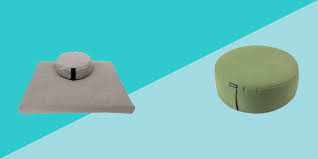
The best meditation cushion for sciatica changes that. It distributes your body weight evenly, supports your spine’s natural curvature, and encourages an open hip posture that eases nerve strain.
The Science of Sitting Comfortably
A good meditation posture should feel balanced, stable, and effortless. According to physiotherapists, the ideal cushion should:
- Raise your hips above your knees to reduce pelvic tilt.
- Support your sacrum and lumbar region to prevent slouching.
- Allow space for your legs to rest naturally without pulling the sciatic nerve.
This is why most people with sciatica benefit from zafu-style cushions, crescent-shaped supports, or adjustable meditation benches that lift the hips higher than traditional pillows.
Below is a quick overview of how posture affects sciatic relief:
| Posture Element | What It Does | Impact on Sciatica |
| Hip Elevation | Keeps spine neutral, reduces nerve pressure | Major relief |
| Firm Cushion Core | Prevents sinking that strains the back | Essential |
| Leg Support | Reduces tension in hamstrings and piriformis | Comfort boost |
| Lumbar Alignment | Keeps natural spinal S-curve | Long-term benefit |
Top Qualities to Look for in a Meditation Cushion for Sciatica
When it comes to finding the best meditation cushion for sciatica, don’t just look at the color or brand — look at ergonomic design and material quality. Here are the features that matter most:
1. Height and Shape
The cushion should elevate your hips high enough that your knees fall comfortably forward. Crescent or wedge shapes are often better than round cushions because they cradle the hips without compressing the legs.
2. Firmness
Too soft, and your body sinks in — adding pressure on your tailbone. Too firm, and your sitting bones ache. Look for medium-to-firm support made from dense buckwheat hulls or memory foam.
3. Material and Breathability
Cotton covers, natural buckwheat, and kapok fibers allow airflow and prevent overheating. Synthetic foams can trap heat, making your sessions uncomfortable.
4. Adjustability
Many high-quality cushions have removable covers or zippers so you can add or remove filling to customize height and firmness — a game-changer for sciatica comfort.
5. Portability
If you meditate in different places, choose one with a handle or travel case. A lightweight, durable cushion makes it easy to maintain your routine anywhere.
Top Picks: Best Meditation Cushions for Sciatica Pain Relief
After studying user feedback, ergonomic design data, and comfort ratings, here are some top options that consistently earn high praise from people with sciatica.
| Cushion Name | Material | Height | Shape | Key Feature | Ideal For |
| Brentwood Home Crystal Cove Cushion | Buckwheat + GOTS Cotton | 5” | Round | Firm, eco-certified materials | Beginners & experts |
| Mindful & Modern Crescent Cushion | Memory Foam Core | 6” | Crescent | Hip-cradling shape | Sciatica or tight hips |
| Florensi Zafu Meditation Cushion | Buckwheat + Velvet Cover | 5” | Round | Adjustable firmness | Portable & stylish use |
| Body Quiet Comfort Cushion | Multi-layer foam | 7” | Ergonomic wedge | Great spinal alignment | Chronic sciatica pain |
| Hugger Mugger V-Shaped Cushion | Kapok Fill | 6” | V-shape | Natural, lightweight | Short meditations |
Each of these cushions provides something unique — but all share one critical quality: they honor your body’s need for balance and alignment.
The Emotional Side: Meditation Shouldn’t Hurt
Many people who suffer from sciatica feel disheartened during meditation. You sit down to find peace — and pain interrupts the moment. But here’s the truth: the body’s discomfort isn’t a failure. It’s communication.
Pain says, “Please support me differently.”
And once you listen, everything changes.
The right cushion transforms meditation from endurance into nurturing. Suddenly, instead of fighting your body, you’re working with it. You can sit longer, breathe deeper, and truly feel that quiet calm spreading from your breath into your back.
As one long-term meditator with sciatica shared:
“When I finally found the cushion that supported me, I cried during my first pain-free session. It wasn’t just relief — it was freedom.”
This emotional connection is what makes the best meditation cushion for sciatica more than a tool — it’s a healing partner.
Creating a Sciatica-Friendly Meditation Space
Beyond the cushion, your environment plays a huge role in how your body feels during meditation. Try this setup:
- Surface: Use a non-slip yoga mat under your cushion for extra stability.
- Backdrop: Choose a wall to lean against slightly during longer sessions.
- Lighting: Soft, warm light helps your body relax before you even start.
- Temperature: Keep the room slightly warm; cold muscles tighten faster.
Also, avoid sitting directly on the floor — hard surfaces amplify pain signals. Instead, layer your cushion over a soft rug or yoga bolster for added elevation.
Breathing Techniques to Ease Sciatic Tension
Even with the best cushion, how you breathe affects your comfort level. Try diaphragmatic breathing — inhaling deeply into your belly instead of your chest. This type of breathing naturally releases tension from the lower back and hips.
A simple exercise before meditation:
- Sit comfortably on your cushion.
- Close your eyes and place one hand on your belly.
- Inhale through your nose for 4 seconds, feeling your belly expand.
- Hold for 2 seconds.
- Exhale gently through your mouth for 6 seconds.
- Repeat for five breaths before you begin your meditation.
This method helps calm the nervous system, increase oxygen flow to the lower spine, and signal your body that it’s safe to relax.
The Buying Guide: Choosing the Cushion That Heals, Not Hurts
Choosing the right meditation cushion is about more than picking a brand — it’s about understanding your body’s story. Sciatica affects everyone differently, so your perfect cushion depends on where your pain starts, how you sit, and how long you meditate.
Let’s break it down clearly.
1. Know Your Pain Points
Start by asking yourself where the tension begins:
- Is it lower back pressure? Then you’ll want a higher, firmer cushion that supports lumbar alignment.
- Is it buttock or thigh pain? A crescent or V-shape cushion helps relieve piriformis strain.
- Is your leg going numb? You may be sitting too low or cutting off circulation — choose a cushion with a wider surface.
When you understand the source, you can find a design that directly reduces that pressure.
2. Measure Your Ideal Height
Most people overlook this, but cushion height is crucial for sciatica comfort. The taller you are, or the tighter your hips, the more height you’ll need.
| Your Height | Recommended Cushion Height | Cushion Style |
| Under 5’5″ | 4–5 inches | Round or crescent |
| 5’6″–5’10” | 5–6 inches | Crescent or V-shape |
| Over 5’10” | 6–8 inches | Wedge or tall zafu |
The right height keeps your knees lower than your hips — the golden rule for relieving sciatic tension.
3. Choose the Right Fill Material
Here’s where the heart of your cushion lies. The fill determines not just comfort, but how long that comfort lasts.
| Material | Feel | Pros | Cons |
| Buckwheat Hulls | Firm, moldable | Excellent support, breathable | Heavier, makes soft rustle sound |
| Kapok Fiber | Soft, springy | Lightweight, natural | Compresses faster |
| Memory Foam | Plush, consistent | Great for sensitive spines | Less airflow, warmer feel |
| Latex Blend | Balanced | Eco-friendly, responsive | Pricier, limited brands |
For sciatica, buckwheat hulls are usually best — they keep your hips stable while letting your body subtly adjust to micro-movements.
4. Test the Shape That Fits Your Body
There’s no one-shape-fits-all rule here. Your body, flexibility, and comfort levels all matter.
- Round zafu: Traditional and balanced; good for average flexibility.
- Crescent cushion: Reduces hip compression and opens the thighs — excellent for sciatica.
- V-shaped: Provides firm lumbar support and hip elevation.
- Wedge cushion: Best for severe lower back pain or if you prefer kneeling posture.
Try sitting cross-legged and kneeling on a few styles if you can. Your hips should feel supported but not pushed forward, and your lower spine should feel naturally straight.
5. Consider Longevity and Washability
Pain relief means consistency. Look for cushions with removable, washable covers and refill options. Good meditation habits build over time, so a cushion that lasts is a real investment in your peace of mind.
Posture Correction: The Real Secret to Sciatic Relief
Even the best meditation cushion for sciatica won’t help if your posture is off. Small adjustments make an enormous difference.
Follow these posture tips to minimize pressure and stay comfortable:
- Align your sit bones. Gently rock forward and back to find the point where your weight is balanced on your sit bones.
- Lift your chest, relax your shoulders. This elongates your spine without strain.
- Tuck your chin slightly. Keeps your neck aligned with your back.
- Let your hands rest naturally. On your thighs or knees, palms up or down.
- Use a blanket under your ankles if they feel strained — comfort first!
Remember, meditation is not a competition. It’s a relationship between your body, your mind, and your breath. If you need to shift positions, do it slowly and mindfully. Over time, you’ll notice that your body learns to settle naturally into stillness.
The Mind-Body Connection: Healing from Within
Sciatica isn’t just a physical pain — it often carries emotional tension too. People describe it as feeling “stuck,” “blocked,” or “restricted.” Meditation helps release that energy, but it requires trust — trust that you can be still without hurting.
That’s why your cushion matters so much.
It tells your body, “You’re safe here.”
When your body feels supported, your breath deepens. Your muscles stop guarding. Your nervous system softens. And that’s when true meditation begins.
Try this body-awareness meditation next time you sit:
- Sit comfortably on your cushion.
- Close your eyes and breathe naturally.
- Visualize the breath moving from your lower back down your legs.
- With each exhale, imagine the tension leaving your sciatic nerve.
- Continue for 5–10 minutes, simply observing sensations without judgment.
This simple awareness practice, paired with a cushion that supports your anatomy, becomes a gentle form of physical therapy for your mind and spine.
Real User Experiences: Stories of Relief and Renewal
To make this more real, let’s hear how others found transformation with the right meditation setup.
Laura, 42: “I thought meditation was impossible because of my back pain. Then I tried the Mindful & Modern crescent cushion — I could finally sit still for 15 minutes without shooting pain. I actually look forward to meditating now.”
Jamal, 35: “Sciatica was wrecking my mornings. I bought a buckwheat zafu after reading reviews, and within a week, I noticed less numbness. It’s amazing how a simple cushion changed my whole practice.”
Mia, 57: “The right cushion felt like permission to breathe again. I cried after my first pain-free meditation session — I didn’t realize how much tension I’d been holding.”
Their stories are proof that comfort isn’t luxury — it’s a doorway to discipline. Once your body feels supported, meditation becomes sustainable, not just an aspiration.
How to Maintain and Care for Your Meditation Cushion
A cushion that supports you deserves care too. Here’s how to make sure it lasts years:
- Fluff regularly: Shake or rotate your cushion weekly to redistribute filling.
- Sun dry: If made from natural materials, air it out occasionally to prevent moisture.
- Spot clean: Use a mild detergent and warm water for spills.
- Refill when needed: Buckwheat cushions can lose loft over time; refill them every 1–2 years.
A well-maintained cushion keeps its firmness and hygiene, ensuring your meditation remains a place of comfort, not distraction.
Extra Tip: Pairing Props for Ultimate Relief
If sciatica still flares up occasionally, consider adding extra support props:
- A lumbar bolster behind your lower back
- A folded blanket under your knees
- A small pillow between your calves when kneeling
- Or even a low meditation bench for alternating positions
Alternating between sitting and kneeling helps prevent prolonged nerve compression. Many meditators with chronic pain use this rotation system and find it incredibly effective.
Common Mistakes to Avoid When Meditating with Sciatica
| Mistake | Why It’s a Problem | How to Fix It |
| Sitting too low | Compresses lower spine | Use higher cushion (6–8”) |
| Ignoring pain signals | Worsens nerve inflammation | Shift posture gently |
| Slouching shoulders | Adds tension to spine | Lift chest, relax arms |
| Hard floors | Amplifies pressure | Add rug or mat layer |
| Holding breath | Increases muscle tightness | Practice slow, deep breathing |
Meditation is about awareness — not endurance. Pain is not proof of progress. Listening to your body is the deepest form of mindfulness.
The Emotional Journey: From Pain to Peace
There’s a quiet power in persistence. The first few days sitting with sciatica pain can feel unbearable. But once you find the best meditation cushion for sciatica, something magical happens. You stop focusing on discomfort and start rediscovering your breath, your stillness, your inner joy.
You realize meditation isn’t about escaping your body.
It’s about returning to it with kindness.
And that’s where the transformation begins.
When your hips feel supported, your back feels open, and your breath flows naturally — that’s the moment meditation becomes a sanctuary again. Not a battle, not a burden, but a soft refuge.
Final Thoughts: Comfort Is the Foundation of Clarity
Meditation teaches us patience. Sciatica teaches us compassion — especially for ourselves. The two together create a journey that’s both physical and spiritual.
Finding the best meditation cushion for sciatica is not vanity — it’s self-respect. It’s saying, “My body deserves care so my spirit can soar.”
When you sit in comfort, you meditate with courage.
When your cushion supports you, you can finally let go.
So take the time to find the one that fits you — the right height, the right shape, the right feeling. Because the moment you settle into your seat without pain, your mind finds room to expand.
Your breath deepens.
Your stillness returns.
And that, right there, is the peace you’ve been seeking all along.