
If you’ve ever thought about creating a peaceful, powerful start to your mornings or finding a calm close to your days, yoga might already be whispering your name. The beauty of yoga is that it doesn’t ask you to go anywhere special. It doesn’t demand fancy studios, memberships, or complicated routines. You can begin right where you are — in your living room, on a quiet balcony, or even beside your bed.
In this complete guide on how to do yoga at home daily, we’ll walk together through the mindset, methods, and magic that make a home yoga routine truly transformative. Whether you’re a complete beginner or someone who has practiced before but struggled with consistency, this article will guide you like a friend — patiently, gently, and with encouragement.
The True Meaning of a Home Yoga Practice
When people hear the phrase “how to do yoga at home daily,” they often imagine complicated postures or long hours of practice. But the real essence of yoga is not perfection — it’s presence. Yoga is not about how deeply you can stretch but about how deeply you can connect with yourself.
Doing yoga at home every day gives you space to listen to your body without pressure. It helps you slow down, breathe consciously, and create a rhythm that aligns with your life. Over time, this rhythm brings discipline, calm, and a new awareness of your own strength.
The home practice of yoga is also about freedom. You choose your time, your pace, your favorite poses, and even the background music or silence you love. This freedom makes the practice sustainable — it’s not a task, it’s a gift to yourself.
Why Practicing Yoga at Home Works
Before we dive into “how to do yoga at home daily,” let’s talk about why doing yoga at home can be so effective.
First, consistency is easier when there’s no commute or schedule to worry about. Even 15 minutes of yoga at home daily can improve your mood, posture, digestion, and sleep. You’re more likely to practice regularly when it’s convenient.
Second, it’s personal. You get to design your own sacred space. You can burn incense, light a candle, open the window for morning light, or simply roll out your mat beside your bed. These small rituals turn your practice into something deeply comforting.
And finally, home yoga allows you to grow at your own pace. You don’t have to compare yourself with anyone. You don’t have to feel self-conscious. Every stretch, every breath, every pause belongs to you.
Setting Up Your Space
The first step in learning how to do yoga at home daily is creating a space that inspires peace. It doesn’t have to be a separate room — even a small corner can work beautifully.
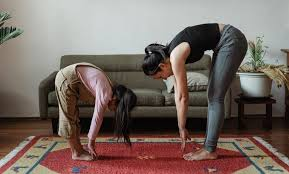
Here are a few ideas to make your yoga space inviting:
- Choose a spot with good airflow and natural light if possible.
- Keep it clean and uncluttered. The less visual noise, the more mental calm.
- Use a comfortable mat with good grip.
- Add elements that make you feel grounded — a small plant, a soft rug, or a simple cushion.
- Avoid distractions. Silence your phone, dim bright lights, and let your practice feel like a retreat.
When your body steps onto the mat, your mind should know it’s time to pause, to breathe, and to reconnect. That simple routine of returning to your mat each day builds emotional strength.
Creating a Routine That Fits You
Now, let’s get into the structure of how to do yoga at home daily.
1. Choose Your Time Wisely
The best time to practice yoga is the time you can commit to consistently. Early morning is ideal for energy and clarity, while evenings help release stress. If mornings are too busy, a 20-minute session before bed can work wonders.
2. Begin Small and Stay Consistent
Don’t aim for perfection. Aim for presence. Even a 10-minute daily routine is better than an hour-long session once a week. The key is consistency.
3. Follow a Simple Sequence
Start with breathing (Pranayama), move to warm-ups, flow through a few standing and seated poses, and end with relaxation (Savasana). This flow keeps your energy balanced and your mind focused.
4. Use Guidance Wisely
You can follow YouTube classes or mobile apps initially, but over time, try to memorize your favorite poses. That way, your practice becomes truly internal — guided by your breath, not by a screen.
5. Listen to Your Body
Yoga is a conversation, not a competition. Some days you’ll feel flexible and light, other days heavy and tired. Adjust your intensity accordingly.
Sample Daily Home Yoga Routine
Here’s a simple 30-minute plan for beginners learning how to do yoga at home daily:
| Stage | Pose/Practice | Duration | Purpose |
|---|---|---|---|
| 1. Centering | Deep breathing or simple meditation | 3–5 min | Calm the mind, focus your breath |
| 2. Warm-up | Neck rolls, shoulder shrugs, gentle twists | 5 min | Loosen up and prevent injury |
| 3. Standing Poses | Mountain Pose, Warrior I, Triangle Pose | 10 min | Build strength and stability |
| 4. Seated & Floor Poses | Cat-Cow, Seated Forward Bend, Bridge Pose | 7 min | Stretch spine and legs |
| 5. Relaxation | Corpse Pose (Savasana) | 5 min | Deep relaxation and mindfulness |
This 30-minute session can grow into 45 or 60 minutes as your confidence and stamina improve.
How to Stay Motivated
One of the most common challenges when learning how to do yoga at home daily is staying motivated. The excitement of the first few days often fades, leaving behind excuses — “I’m too tired,” “I’ll start tomorrow,” or “I don’t have time today.”
To stay consistent, focus on your why. Ask yourself why you started. Maybe you wanted to manage stress, improve your health, or reconnect with your body. Write your reasons on a small note and keep it near your yoga mat.
Also, set small goals. For example:
- “I’ll practice for 10 minutes every day for one week.”
- “I’ll learn one new pose this week.”
- “I’ll not skip two consecutive days.”
Every small achievement fuels momentum. Over time, the practice becomes as natural as brushing your teeth — a quiet, powerful part of your day that you can’t imagine skipping.
The Power of Breath in Home Practice
In every guide about how to do yoga at home daily, one truth stands out — your breath is the bridge between your body and your mind.
During practice, try to coordinate each movement with breath. For instance, inhale as you raise your arms, exhale as you fold forward. This connection turns movement into meditation.
Even when you don’t have time for full yoga sessions, spend a few minutes each day in conscious breathing. Deep breathing reduces anxiety, lowers blood pressure, and clears mental fog. It also helps you feel more grounded, especially during stressful days.
Common Mistakes to Avoid
As a beginner, it’s natural to make small mistakes in your home yoga journey. The key is to notice them early and correct them gently.
Avoid these common habits:
- Skipping warm-up: Cold muscles are prone to injury. Always start gently.
- Pushing too hard: Yoga isn’t a race. Let your flexibility come naturally.
- Holding your breath: Breath gives energy; never cut it off.
- Practicing without focus: If your mind wanders, pause. Regain awareness and begin again.
Remember, the goal is not to master poses quickly but to move mindfully.
How Yoga Changes Daily Life
Once you start practicing regularly, you’ll notice subtle yet powerful changes. You’ll sit taller. You’ll react more calmly. You’ll breathe deeper. Over time, yoga shapes not only your body but your attitude toward life.
You may also notice physical improvements — fewer aches, better digestion, better sleep, and glowing skin. Emotionally, you’ll feel lighter, more patient, and more connected to the present moment.
And perhaps the most profound change is this: You’ll begin to enjoy your own company. The mat becomes your mirror — reflecting your strengths, your struggles, and your growth.
Building a Long-Term Habit
The key to success in how to do yoga at home daily is to make it part of your lifestyle, not a temporary goal. Here are a few final tips to help you stay committed:
- Keep your mat visible — it’s a reminder.
- Pair your practice with another daily habit, like brushing your teeth or morning coffee.
- Track your progress — write down how you feel after each session.
- Reward yourself for consistency — maybe with a new yoga mat or relaxing self-care ritual.
A habit built slowly, with love, lasts forever.
Creating a Sustainable Routine
When you start practicing yoga at home, the initial excitement often fades after a few days. Maybe life gets busy, or your body feels sore, or your mind gets restless. That’s completely normal. What keeps you going is creating a structure that’s realistic and rewarding. Start by choosing a fixed time that fits naturally into your day — it could be early morning before sunrise when the world is quiet, or in the evening when you want to unwind. Stick to this timing; your body and mind will start to anticipate it, turning yoga into a habit rather than a task.
Keep your sessions short at first. Fifteen to twenty minutes daily can bring noticeable changes within a few weeks. As your stamina and interest grow, you can extend your practice gradually. Remember, yoga is about quality, not quantity. It’s better to do ten mindful minutes daily than to push through an hour without focus once a week.
Designing a Personal Yoga Flow
One of the most empowering parts of learning how to do yoga at home daily is the freedom to create your own flow. You don’t have to follow the same sequence every day. Instead, listen to your body and choose poses based on how you feel. On days when you’re energetic, try stronger flows like Sun Salutations, Warrior sequences, or core-building postures. When you feel tired or emotionally drained, gentle stretches, restorative poses, or deep breathing can rejuvenate you.
A simple structure you can start with:
- Begin with five minutes of deep breathing to center your mind.
- Move into a few gentle stretches to awaken the body.
- Flow through 4–6 strengthening poses like Plank, Warrior II, or Chair Pose.
- Finish with seated postures and relaxation.
Over time, this will become second nature, and you’ll notice your body instinctively guiding you through what it needs most each day.
The Mental Side of Home Yoga
Yoga is not just a physical workout — it’s a mental reset. When you practice at home, you’re not only strengthening muscles but also nurturing focus, calmness, and patience. The beauty of doing yoga daily is that it teaches your mind to slow down even when life speeds up.
On some days, you might not feel like moving much. That’s okay. You can still practice yoga by sitting quietly, breathing deeply, or meditating for ten minutes. These moments of stillness help you reconnect with yourself. The more you do it, the more you’ll realize that how to do yoga at home daily is really about building a relationship with your inner peace.
Overcoming Common Challenges
Every journey comes with challenges, and home yoga is no exception. You might lose motivation, feel physically stiff, or struggle to focus. The trick is to see these not as failures but as opportunities to grow.
If you feel lazy or unmotivated, try watching a short inspirational yoga video or reading a quote that reminds you of why you started. If your body feels tight, warm up gently instead of skipping practice. If distractions keep breaking your flow, practice early in the morning or choose a quiet room where you won’t be disturbed.
You can also keep a yoga journal. Write down how you felt before and after each session. Over time, you’ll notice patterns — your stress levels dropping, your sleep improving, and your confidence rising. That’s when you’ll realize the real reward of daily yoga isn’t just a flexible body, but a peaceful mind.
Making Yoga a Family Practice
If you live with family or friends, invite them to join you occasionally. Practicing yoga together brings joy, laughter, and connection. Even kids can do simple poses like Tree Pose or Cat-Cow. When yoga becomes part of your household routine, it stops being a solitary task and turns into a shared source of happiness.
Many people who wonder how to do yoga at home daily think they must do it alone. But when others join in, it can add accountability and create an encouraging environment that keeps everyone motivated.
The Role of Nutrition and Sleep
To truly feel the benefits of yoga, your lifestyle should support your practice. Eat foods that are light and nourishing — fresh fruits, vegetables, and whole grains. Drink plenty of water throughout the day. Avoid heavy meals before your yoga sessions, as they can make your practice uncomfortable.
Sleep is equally important. A good night’s rest helps your body recover and your mind recharge. When your routine balances yoga, nutrition, and rest, you’ll start feeling lighter, more energetic, and emotionally balanced.
Exploring Different Yoga Styles at Home
There’s no single way to practice yoga. Once you’re comfortable with your basic routine, you can explore different styles to keep things interesting. For instance:
- Hatha Yoga: Gentle and slow-paced, perfect for beginners and relaxation.
- Vinyasa Yoga: Focuses on flow and breath coordination, great for building endurance.
- Restorative Yoga: Involves long holds and deep relaxation, ideal for stress relief.
- Power Yoga: Dynamic and strength-building, perfect for fitness enthusiasts.
- Yin Yoga: Involves deep stretches held for several minutes, improving flexibility.
Experiment with each to find what resonates most with your body and mood. The beauty of home practice is that you can mix and match styles depending on how you feel that day.
Staying Inspired on Low-Energy Days
Some mornings, you’ll wake up feeling full of energy and excitement. Other days, your mind will resist even stepping onto the mat. The secret is to start anyway. Tell yourself you’ll only do five minutes — most of the time, once you begin, you’ll naturally keep going.
You can also create small rituals that make yoga feel special. Play calming music, light a candle, or open your window to let the fresh air in. These tiny details can lift your mood and remind you that yoga is a form of self-care, not an obligation.
Tracking Progress and Growth
When you practice how to do yoga at home daily, progress might feel slow at first. But subtle changes will appear if you stay consistent. Your posture improves, your breath deepens, and your reactions to stress become calmer. Track your journey with photos, notes, or even short recordings of your sessions.
Remember, yoga is not a race or a performance. It’s about progress, not perfection. Every small step you take — every morning you choose the mat over the phone — brings you closer to your best self.
Yoga Beyond the Mat
Daily yoga practice doesn’t end when your session does. The real transformation happens when you carry its lessons into daily life. When you stay calm during traffic, show kindness during conflict, or breathe deeply instead of reacting — that’s yoga in action.
Learning how to do yoga at home daily teaches you that peace doesn’t come from a perfect world, but from a balanced mind. The awareness you build on the mat becomes your greatest strength in every situation.
The Emotional Reward of Consistency
There’s something deeply emotional about showing up for yourself every day. Yoga at home isn’t just a fitness routine; it’s an act of self-love. When you unroll your mat each morning, you’re saying, “I care about my body. I care about my peace. I deserve this moment.”
That’s the most powerful reward — the feeling that you’re growing, healing, and becoming more connected with yourself. Over time, yoga becomes a part of who you are, not something you do.
Final Thoughts
In the end, how to do yoga at home daily isn’t a question of time, skill, or space — it’s about intention. You can start small, stay consistent, and let your practice grow with you. The mat becomes your sanctuary, the poses your language, and the breath your guide.
Each day you practice, you rediscover balance between effort and ease, discipline and surrender, body and soul. Yoga at home becomes more than a habit; it becomes a way of life — one filled with peace, purpose, and inner light.