
Childhood is a time of curiosity, imagination, and boundless energy. Kids see the world with wonder, and their minds absorb everything around them. In this beautiful phase of life, helping them grow stronger, calmer, and more confident can make a lasting difference — and that’s exactly where the best yoga for kids comes in.
Yoga isn’t just for adults seeking peace and flexibility; it’s also for children who want to play, explore, and learn in a fun way. In fact, the best yoga for kids transforms exercise into storytelling, breathing into imagination, and mindfulness into magic.
Let’s take a deep dive into what makes yoga for kids so special — and how parents, teachers, and even little yogis themselves can benefit from it.
1. Why Kids Need Yoga Today
The modern world is fast — even for children. From school stress to screen time, today’s kids are growing up in a world where stillness is rare. Yoga gives them that pause — a moment to breathe, to stretch, to simply be.
When we talk about the best yoga for kids, we’re talking about poses and practices that not only build flexibility and strength but also teach emotional balance, confidence, and focus.
Imagine a child standing tall like a mountain, strong yet calm. Or one pretending to be a tree, swaying gently in the wind but never losing balance. That’s yoga — simple, fun, and deeply meaningful.
2. Emotional and Mental Benefits of Yoga for Kids
Yoga isn’t just physical exercise; it’s emotional nourishment. The best yoga for kids gently guides children toward emotional awareness and self-regulation.
Here’s how yoga helps:
| Benefit | Description |
|---|---|
| Focus & Concentration | Yoga teaches children how to calm their minds and pay attention — a valuable skill for learning and schoolwork. |
| Stress Relief | Breathing exercises and simple meditation help reduce anxiety and restlessness. |
| Confidence Boost | Mastering new poses gives kids a sense of achievement. |
| Emotional Awareness | Through stillness and breathing, children learn to identify their emotions without being overwhelmed. |
| Social Skills | Practicing yoga in groups fosters teamwork, patience, and empathy. |
The best yoga for kids builds confidence from the inside out — not by competition, but by connection.
3. Physical Benefits of Yoga for Children
Yoga naturally supports a growing body. The best yoga for kids is designed to enhance flexibility, coordination, and posture while keeping things playful.
Some key physical benefits include:
- Improved balance and body awareness
- Better posture and spinal alignment
- Strengthened muscles and joints
- Enhanced lung capacity through deep breathing
- Reduced fatigue and restlessness
Kids who practice yoga regularly tend to have better energy levels, coordination, and focus throughout the day.
4. The Best Yoga for Kids: Fun and Easy Poses
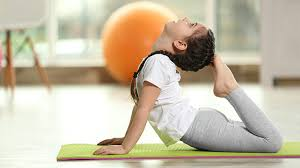
Children love to move and imagine — and yoga gives them both. The best yoga for kids uses storytelling, animals, and nature to keep young minds engaged.
Here are some beginner-friendly poses that every little yogi will love:
| Pose Name | Description | Benefit |
|---|---|---|
| Tree Pose (Vrikshasana) | Stand tall and balance on one leg like a tree in the wind. | Improves focus and balance. |
| Cat-Cow Pose (Marjaryasana-Bitilasana) | Arch and round the back like a stretching cat or a cow. | Increases flexibility in the spine. |
| Butterfly Pose (Baddha Konasana) | Sit and flap knees like butterfly wings. | Opens the hips and improves flexibility. |
| Cobra Pose (Bhujangasana) | Lie on your belly and lift your chest like a cobra. | Strengthens the back and improves posture. |
| Child’s Pose (Balasana) | Sit back and rest the forehead on the floor. | Provides relaxation and calmness. |
| Mountain Pose (Tadasana) | Stand straight with arms up, breathing deeply. | Promotes grounding and confidence. |
These poses are the foundation of the best yoga for kids, helping them build not just strength but also imagination.
5. Breathing Exercises for Little Yogis
Breathing — known as pranayama in yoga — is the heart of every practice. Teaching kids to breathe properly is one of the most valuable lessons yoga offers.
Here are a few child-friendly breathing techniques:
- Balloon Breathing:
- Sit comfortably.
- Imagine a big balloon in your tummy.
- Inhale to make it big, exhale to make it small.
- Repeat 5–10 times.
- Bumblebee Breath:
- Inhale deeply, then hum gently like a bee.
- Feel the vibration in your face and chest.
- This calms the nervous system instantly.
- Flower Breath:
- Pretend to hold a flower.
- Smell it deeply through your nose.
- Exhale softly through your mouth.
Breathing is simple, yet magical. In the best yoga for kids, it’s not taught as a discipline — it’s introduced as play, turning each inhale and exhale into an adventure.
6. Mindfulness and Imagination in Kids’ Yoga
Kids naturally live in the moment. They’re born mindful — they just need gentle reminders to stay that way. The best yoga for kids keeps mindfulness lighthearted and joyful.
Activities like “mindful listening” or “gratitude breathing” help children connect with their thoughts and emotions.
For example, you can ask them to:
- Close their eyes and listen to nearby sounds.
- Feel how their body moves when they breathe.
- Think of one thing they’re thankful for after each session.
Mindfulness through yoga helps children grow into emotionally intelligent, kind, and balanced adults.
7. How Parents and Teachers Can Encourage Kids’ Yoga
Introducing yoga to kids doesn’t require a studio or expensive gear. The best yoga for kids can happen anywhere — in classrooms, parks, or even living rooms.
Tips for parents and teachers:
- Keep sessions short (10–15 minutes for beginners).
- Use storytelling and playful names for poses.
- Celebrate small wins and progress.
- Don’t force — let them explore naturally.
- Always end with relaxation or gentle breathing.
Remember, kids mirror adult behavior. When they see you practicing yoga joyfully, they’ll want to join in.
8. Creating a Safe and Joyful Yoga Space for Kids
Safety and comfort come first. The best yoga for kids environment is open, soft, and welcoming.
Here’s how you can set it up:
- Use a non-slip mat.
- Keep distractions (phones, noise) away.
- Add a touch of calm — soft music or nature sounds.
- Let kids decorate the space with drawings or plants.
The goal is to make yoga time feel like their time — a peaceful, happy space where they can move freely and dream boldly.
9. Yoga and Emotional Growth in Children
Children experience emotions deeply — excitement, fear, joy, sadness — all within a single day. While adults have learned (sometimes the hard way) how to manage emotions, kids are still developing those skills.
That’s where yoga steps in as a gentle teacher.
Through mindful movement and breathing, yoga helps children recognize what they feel, name it, and let it go. The best yoga for kids teaches that emotions are not permanent — they flow, just like the breath.
For example:
- When a child feels angry, slow breathing can calm the heartbeat.
- When a child feels sad, stretching the chest and opening the arms can lift the mood.
- When a child feels shy, standing in a powerful pose like Warrior or Mountain can build confidence.
Yoga gives them the emotional vocabulary they need to express themselves — with kindness and self-control.
10. Yoga Sparks Creativity and Imagination
One of the most beautiful aspects of the best yoga for kids is how it blends imagination with movement.
Instead of telling a child to hold “Downward Dog,” you might say, “Can you be a puppy stretching after a nap?”
Or instead of “Tree Pose,” try, “Let’s be tall trees reaching for the sky — can you feel the wind?”
This creative storytelling keeps yoga engaging. Kids start to associate yoga with fun, not rules.
It also stimulates their imagination — which is key to mental development. As they move through poses, they’re not just exercising their bodies; they’re expanding their minds.
11. Age-Wise Yoga Guidance for Kids
The best yoga for kids is not one-size-fits-all. As children grow, their bodies, attention spans, and emotional needs evolve. Here’s how yoga adapts to different ages:
| Age Group | Focus | Yoga Approach |
|---|---|---|
| 3–5 years | Fun & Play | Simple animal poses, short breathing games, and stories. |
| 6–9 years | Exploration | Introduce balance poses and basic mindfulness practices. |
| 10–13 years | Awareness | Deeper focus on breathing, alignment, and emotional awareness. |
| 14–17 years | Strength & Focus | Combine physical challenges with meditation and self-reflection. |
Each age group learns yoga differently — but the goal remains the same: joy, balance, and mindfulness.
12. How the Best Yoga for Kids Builds Confidence
Confidence is one of the greatest gifts yoga gives to a child.
When kids master a pose — even a simple one like Tree or Bridge — it’s not just about physical strength. It’s about realizing, “I can do this.”
The best yoga for kids helps children see progress in small steps. They learn that falling is okay, and that every attempt brings growth.
That mindset extends beyond the yoga mat — into school, friendships, and future challenges. A confident child doesn’t fear failure; they embrace learning.
13. The Role of Breath in Shaping Calmness
Breathing is the invisible thread that connects body and mind. It’s what keeps us alive — yet we rarely notice it. For children, learning to breathe deeply and mindfully can be life-changing.
In the best yoga for kids, breath becomes their anchor. When they’re upset or nervous, they can pause and take slow, deep breaths to calm themselves.
You can teach this through simple steps:
- The Counting Breath:
- Inhale for 3 counts, exhale for 3 counts.
- Inhale for 4, exhale for 4.
- Gradually increase awareness of the rhythm.
- The Ocean Breath (Ujjayi):
- Ask kids to imagine the sound of waves while breathing through the nose.
- The gentle sound soothes the mind.
Breathing exercises are easy, safe, and powerful tools for emotional regulation.
14. A Simple 10-Minute Yoga Routine for Kids
Parents often ask, “How do I start?” The truth is, you don’t need an hour-long session. Just ten minutes of the best yoga for kids each day can make a world of difference.
Here’s a sample routine you can try at home:
| Minute | Activity | Focus |
|---|---|---|
| 1–2 | Breathing (Balloon Breath) | Calming and centering |
| 3–4 | Mountain Pose | Grounding and posture |
| 5–6 | Tree Pose | Balance and focus |
| 7–8 | Cat-Cow Stretch | Flexibility and fun |
| 9 | Child’s Pose | Rest and recovery |
| 10 | Quiet Sitting | Reflection and gratitude |
End by asking your child, “How do you feel now?” This helps them connect physical movement with emotional awareness.
15. Yoga Games and Group Activities
Yoga can also be a social experience. The best yoga for kids includes fun, interactive games that teach teamwork and laughter.
Some examples:
- Pose Imitation Game: One child makes a pose, others try to copy it.
- Yoga Freeze Dance: Dance to music, then freeze in a yoga pose when the music stops.
- Animal Yoga Adventure: Tell a story involving animals — and each time an animal is mentioned, kids perform its yoga pose.
These games help kids learn collaboration, observation, and joy in movement.
16. The Power of Gratitude and Reflection
At the end of every yoga session, take a minute to reflect. Ask kids what they enjoyed, what they found challenging, or something they feel thankful for.
Gratitude is a quiet superpower. It turns ordinary days into happy ones. The best yoga for kids teaches gratitude naturally — through calmness, appreciation, and presence.
Encourage your child to keep a small “yoga journal”. They can draw poses, write thoughts, or describe how they felt. Over time, this builds self-awareness and positivity.
17. Yoga Beyond the Mat
Yoga isn’t limited to poses. The best yoga for kids becomes part of their daily life — in the way they walk, speak, and think.
They learn:
- To breathe before reacting.
- To show kindness to friends and animals.
- To eat mindfully and appreciate food.
- To rest when the body feels tired.
Yoga becomes a quiet companion guiding them through every stage of life.
18. Common Questions Parents Ask About Yoga for Kids
1. Is yoga safe for kids?
Yes, absolutely. When practiced gently and age-appropriately, yoga is one of the safest forms of exercise for children.
2. How early can a child start yoga?
As early as age 3, with fun, play-based movements.
3. Do kids need a yoga mat or props?
Not necessarily. A clean, soft surface is enough. However, a mat helps create a sense of personal space.
4. How long should sessions last?
Start with 10–15 minutes and increase gradually based on interest.
5. Can yoga help with hyperactivity or anxiety?
Yes. The combination of movement and breathing helps regulate energy and emotions, promoting calm focus.
19. Building a Lifelong Connection with Yoga
Children who grow up with yoga carry its lessons into adulthood — patience, resilience, compassion, and self-love.
The best yoga for kids plants seeds of awareness that bloom later in life. It reminds them that peace isn’t something you search for outside — it’s something you create within.
Through every breath, stretch, and mindful moment, yoga becomes more than exercise — it becomes a way of living.
20. Final Thoughts: The Heart of the Best Yoga for Kids
The beauty of yoga lies in its simplicity. It asks nothing but awareness — awareness of breath, of body, of kindness.
For children, this awareness can shape their entire world. When they learn to breathe through frustration, stand tall through challenge, and relax into stillness — they grow not just stronger, but wiser.
The best yoga for kids is not about perfection or poses. It’s about joy. It’s about being present. It’s about helping every child feel safe, seen, and loved in their own body.
As a parent, teacher, or guardian, you hold the key. You can make yoga a moment of connection, laughter, and peace — a gift that will stay with them forever.
So roll out that mat, take a deep breath, and begin this beautiful journey with your little one.
Because the best yoga for kids doesn’t just build flexibility — it builds a foundation for a happy, mindful, and compassionate life.