
When life feels heavy, when stress fills every corner of your mind, and when you long for strength — both physical and emotional — yoga often becomes the answer. But among the many styles of yoga, there’s one that stands out with intensity, discipline, and healing power: Bikram Yoga.
This practice isn’t just about stretching or sweating; it’s about transformation — the kind that begins deep within. The set of Bikram yoga poses invites you to move, breathe, and challenge yourself in a way that awakens your inner fire and reminds you of what you’re truly capable of.
What is Bikram Yoga?
Bikram Yoga is a structured and powerful form of hot yoga developed by Bikram Choudhury in the 1970s. It’s a 90-minute class that takes place in a heated room — typically around 105°F (40°C) with 40% humidity. The heat isn’t just there to make you sweat; it serves a purpose. It helps your body stretch deeper, detoxify faster, and release tension more efficiently.
The class follows a strict sequence of 26 postures and 2 breathing exercises, all performed in the same order every time. These poses target every muscle, organ, joint, and system in your body — building strength, balance, and flexibility while flushing out impurities.
Each of the Bikram yoga poses works in harmony with the others, creating a full-body experience that challenges both the body and mind.
The Purpose Behind the Heat
The warmth of the Bikram studio mirrors the warmth within us — our passion, perseverance, and personal power. When you step into that heated room, you’re not just preparing to stretch your body; you’re preparing to face yourself.
The heat:
- Increases flexibility, allowing for deeper stretches and safer movements.
- Detoxifies the body through sweat, helping eliminate toxins.
- Improves blood circulation, aiding recovery and energy flow.
- Builds mental endurance, teaching you to stay calm even in discomfort.
Many practitioners describe Bikram yoga as a moving meditation. You breathe through the heat, hold poses longer than feels comfortable, and emerge stronger — physically and mentally.
The 26 Bikram Yoga Poses
Each pose in Bikram yoga has a purpose. Together, they create a journey that tests endurance, builds mindfulness, and promotes healing. Let’s walk through the most powerful Bikram yoga poses and understand what makes them so transformative.
1. Pranayama (Standing Deep Breathing)
The class begins with a breathing exercise. You stand tall, hands interlocked under your chin, and breathe deeply through your nose and mouth.
It opens your lungs, warms your body, and prepares your mind for the 90-minute journey ahead.
Purpose: Improves lung capacity, boosts oxygen flow, and reduces anxiety.
2. Half Moon Pose (Ardha Chandrasana)
You stretch your arms overhead and lean side to side, forming a graceful arc. This pose engages every muscle along your spine and waist.
Purpose: Strengthens core and shoulders, tones the waist, and enhances posture.
3. Awkward Pose (Utkatasana)
With your arms out in front and knees bent, it’s like sitting on an invisible chair. Your thighs burn, but so does your determination.
Purpose: Strengthens thighs, calves, and glutes; improves balance and concentration.
4. Eagle Pose (Garurasana)
You wrap your arms and legs around each other, focusing your gaze and breathing. It’s a test of patience and control.
Purpose: Improves flexibility in shoulders and hips, strengthens ankles and knees.
5. Standing Head to Knee Pose (Dandayamana Janushirasana)
Balancing on one leg, you pull the other leg forward and bring your head toward your knee.
Purpose: Strengthens core, tones legs, and sharpens focus.
6. Standing Bow Pose (Dandayamana Dhanurasana)
You grab your foot behind you and stretch forward, creating a bow-like shape. It’s both elegant and powerful.
Purpose: Opens the chest, improves balance, and builds strength.
7. Balancing Stick Pose (Tuladandasana)
You stretch your body like a stick — arms forward, one leg extended backward.
Purpose: Improves balance, tones the arms, legs, and back.
8. Standing Separate Leg Stretching Pose (Dandayamana Bibhaktapada Paschimottanasana)
You spread your legs wide and fold forward, touching your head to the floor.
Purpose: Stretches the spine, hamstrings, and improves circulation to the brain.
9. Triangle Pose (Trikonasana)
This pose combines strength and flexibility. One hand reaches down toward your foot while the other extends upward.
Purpose: Strengthens thighs, opens hips, and tones the entire body.
10. Standing Separate Leg Head to Knee Pose (Dandayamana Bibhaktapada Janushirasana)
You bend one knee and press your forehead to it.
Purpose: Improves digestion, tones abdomen, and strengthens the legs.
11. Tree Pose (Tadasana)
You bring one foot up to your inner thigh and balance calmly.
Purpose: Enhances stability, focus, and posture.
12. Toe Stand (Padangustasana)
A deep balance challenge — you sit on one heel while keeping the other foot on your thigh.
Purpose: Builds strength in feet and ankles, develops concentration.
13. Dead Body Pose (Savasana)
After intense standing poses, you rest flat on your back, arms by your sides. It’s simple but profound — a surrender to stillness.
Purpose: Allows the body to reset, relax, and absorb benefits.
14. Wind-Removing Pose (Pavanamuktasana)
You hug your knees to your chest to release trapped energy and air.
Purpose: Aids digestion and relieves lower back tension.
15. Sit-Up
A transition move that energizes your core and prepares you for the floor series.
16. Cobra Pose (Bhujangasana)
Lying on your stomach, you lift your chest while keeping your hips grounded.
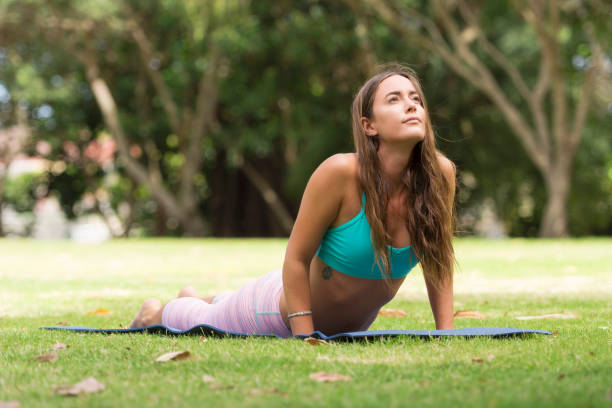
Purpose: Strengthens the spine, opens the heart, and relieves tension.
17. Locust Pose (Salabhasana)
With arms under your body, you lift your legs high.
Purpose: Strengthens lower back and glutes, improves posture.
18. Full Locust Pose (Poorna Salabhasana)
You lift both your chest and legs, forming a bow shape in the air.
Purpose: Expands chest and strengthens the entire back.
19. Bow Pose (Dhanurasana)
You grab your ankles and pull upward, balancing on your stomach.
Purpose: Improves flexibility in the spine and energizes the entire body.
20. Fixed Firm Pose (Supta Vajrasana)
Kneeling and leaning backward until your shoulders touch the ground, this pose deeply stretches your thighs.
Purpose: Strengthens knees, stretches thighs, and improves circulation.
21. Half Tortoise Pose (Ardha Kurmasana)
You kneel and fold forward, stretching your spine.
Purpose: Calms the mind, relieves stress, and promotes clarity.
22. Camel Pose (Ustrasana)
You kneel and arch your back, hands reaching for your heels. This powerful heart-opener can feel emotional — it’s where many release tears or tension.
Purpose: Opens the chest, improves posture, and releases emotional stress.
23. Rabbit Pose (Sasangasana)
You tuck your chin and lift your hips, rolling the spine like a wave.
Purpose: Strengthens the spine, stimulates the nervous system.
24. Head-to-Knee Pose and Stretching Pose (Janushirasana and Paschimottanasana)
You sit with one leg bent and the other extended, reaching forward to touch your toes.
Purpose: Improves flexibility in hamstrings and stretches the back.
25. Spine Twisting Pose (Ardha Matsyendrasana)
You sit and twist your torso, looking over your shoulder.
Purpose: Improves spinal mobility and digestion.
26. Blowing in Firm Pose (Kapalbhati in Vajrasana)
The final breathing exercise — fast, rhythmic exhalations that purify your lungs and reawaken your energy.
Purpose: Detoxifies the body and revitalizes the mind.
Why These 26 Bikram Yoga Poses Matter
Each posture in the Bikram yoga poses sequence is like a puzzle piece — individually powerful, but together they form a masterpiece of healing.
They work systematically to:
- Strengthen every major muscle group
- Massage internal organs
- Increase flexibility and balance
- Improve focus, patience, and willpower
When practiced regularly, they become more than physical movements — they become a journey toward inner clarity and peace.
The Emotional Power of Bikram Yoga
What truly separates Bikram Yoga from other forms isn’t the heat or the structure — it’s the emotional intensity. In the stillness between poses, something shifts inside you. You start letting go of old fears, doubts, and insecurities.
Every drop of sweat carries away a little stress. Every deep breath invites new energy. You discover that discipline is a form of self-love — the courage to stay present even when it’s uncomfortable.
That’s what makes the Bikram yoga poses so special: they’re not just movements; they’re a mirror reflecting your strength, resilience, and growth.
The Emotional Power of Bikram Yoga Poses
Bikram yoga poses aren’t just exercises; they are a dialogue between your body, mind, and soul. The heat, the sequence, the discipline — all of it comes together to build resilience and focus. But beyond that, they help you confront your limits and redefine what strength truly means.
In a heated room, as sweat drips down and your muscles tremble, you learn something profound — that growth often happens when you stay in the heat instead of escaping it. Bikram yoga is a mirror, showing you both your weaknesses and your incredible capacity for strength and grace.
The emotional connection to each pose transforms yoga from a workout into a work-in. The stillness after the struggle becomes a sanctuary where your heart softens, your thoughts quiet, and your inner peace expands.
Health Benefits of Bikram Yoga Poses
Here’s a brief look at how Bikram yoga poses can positively affect your health and lifestyle:
| Benefit | Description |
|---|---|
| Detoxification | The heat and sweat help flush out toxins from the body. |
| Flexibility | The warm environment allows deeper stretching with less risk of injury. |
| Mental Clarity | Focused breathing improves concentration and reduces stress. |
| Cardiovascular Health | Continuous movement boosts blood circulation and stamina. |
| Weight Management | The intensity aids in burning calories and increasing metabolism. |
| Joint and Muscle Strength | The controlled postures enhance stability and muscle tone. |
These benefits are not immediate miracles but a gradual unfolding — a beautiful reflection of patience and consistency.
The Philosophy Behind Bikram Yoga Poses
Bikram yoga poses teach one fundamental truth — presence. When you’re in the heat, holding a demanding pose, you can’t think about yesterday’s mistakes or tomorrow’s worries. You’re here, breathing through it, finding peace in the intensity.
Each class becomes a meditation in motion — an invitation to be fully alive in every second. The consistency of the 26 postures allows you to track your growth, not in how far you bend, but in how calmly you breathe.
Tips for Beginners
- Hydrate Well: Drink plenty of water before class, not during. Hydration is key in hot environments.
- Wear Light Clothing: Breathable, comfortable fabrics will help you focus without distraction.
- Arrive Early: Give yourself time to acclimate to the heat before starting the session.
- Don’t Force It: Respect your limits. Progress in yoga comes from patience, not pressure.
- Stay Consistent: Even a few classes per week can create noticeable improvements.
Final Thoughts: The Gift of Bikram Yoga Poses
Bikram yoga poses are a sacred invitation to meet yourself — raw, sweaty, and unguarded. They help strip away the noise and bring you face-to-face with your true strength and stillness.
Every time you step on that heated mat, you are saying yes to self-care, to growth, and to the gentle reminder that you are stronger than you think.
So next time you take a deep breath and fold into a Bikram pose, remember this: the real journey is not about touching your toes; it’s about touching your soul.
Through consistency, discipline, and compassion, Bikram yoga poses can guide you toward a more balanced, resilient, and radiant life — both on and off the mat.