
In the world of yoga, there are certain poses that stand as a perfect balance between strength and serenity. One of these remarkable postures is the Dolphin Pose yoga, a pose that merges grace, power, and mindfulness in one seamless flow. It’s not just an asana — it’s a journey into your body’s potential and your mind’s stillness.
The Dolphin Pose yoga might appear simple at first glance, but beneath its elegance lies a depth that challenges your body and strengthens your core, shoulders, and spirit. This pose is both grounding and uplifting — it teaches balance, patience, and surrender. Whether you are a yoga beginner seeking stability or a seasoned practitioner chasing depth, the Dolphin Pose is your trusted companion.
This article will take you through everything you need to know about Dolphin Pose yoga — its history, meaning, steps, benefits, variations, and even how it connects to your emotional and spiritual growth. We’ll unfold its essence layer by layer, just like the ocean waves that inspired its name.
The Meaning Behind Dolphin Pose Yoga
The Dolphin Pose yoga, known in Sanskrit as Ardha Pincha Mayurasana, translates to “Half Feathered Peacock Pose.” It’s a forearm-based inversion that bridges the gap between Downward Dog and a full Forearm Stand. The name “Dolphin” reflects the smooth, strong, and graceful movement of dolphins through the sea — beings known for intelligence, playfulness, and harmony.
Just as dolphins glide through water with fluid strength, this pose teaches you to move with awareness and control through life’s waves. It’s not merely a stretch for the body — it’s a lesson in surrendering to flow while holding firm in purpose.
The Philosophy Behind the Pose
At its heart, Dolphin Pose yoga symbolizes trust — trust in yourself and in the ground that supports you. It invites you to find peace in the inversion, a state where your perspective literally shifts. When your heart is above your head, the world feels different.
In yogic philosophy, inversions represent humility and clarity. They remind us that sometimes, growth comes from seeing life from another angle. The Dolphin Pose embodies that philosophy beautifully. It’s strong but calm, fierce but controlled, reminding us that true strength is quiet and steady.
How to Do Dolphin Pose Yoga Step-by-Step
Performing Dolphin Pose yoga requires attention, breath, and alignment. Here’s a step-by-step guide to help you find your form:
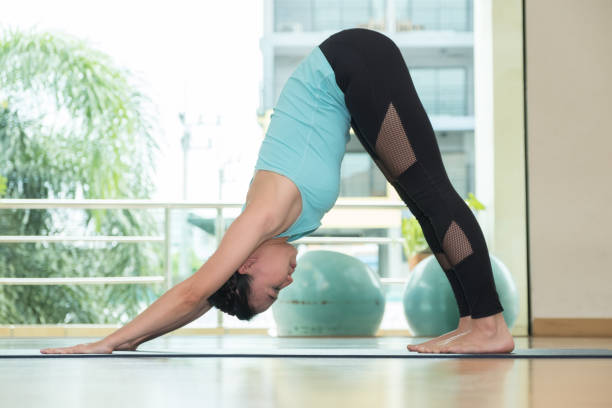
- Start in a Tabletop Position
Begin on your hands and knees. Align your shoulders over your wrists and your hips over your knees. - Lower Your Forearms to the Ground
Gently bring your forearms down, ensuring that your elbows are shoulder-width apart. Your palms and forearms should press firmly into the mat. - Tuck Your Toes and Lift Your Hips
Exhale deeply as you tuck your toes under and slowly lift your hips toward the ceiling, just as you would in Downward Dog. - Adjust Your Stance
Walk your feet closer toward your elbows without rounding your back. Your body should form an inverted “V” shape, with your spine long and your chest moving toward your thighs. - Press Firmly Into the Ground
Engage your shoulders and arms. Push the mat away with your forearms while keeping your head relaxed between your upper arms — do not let it touch the floor. - Hold the Pose
Stay in the posture for 30 seconds to a minute, breathing steadily. With each inhale, lengthen the spine; with each exhale, ground deeper into your forearms. - Release Gently
Slowly lower your knees back to the mat and rest in Child’s Pose for a few breaths before repeating or moving into another posture.
Tips for Proper Alignment
- Keep your shoulders lifted and away from your ears.
- Press evenly through your forearms and wrists.
- Engage your thighs and core to support the lift.
- Avoid collapsing into your neck or arching your lower back.
- Focus on your breath — it’s your guide to balance and stillness.
When done correctly, the Dolphin Pose yoga feels like a perfect harmony of strength and surrender — a moment where your body holds steady, and your breath flows freely.
The Physical Benefits of Dolphin Pose Yoga
The Dolphin Pose yoga offers a wide range of physical benefits that extend beyond the mat. It strengthens, tones, and revitalizes multiple areas of the body, enhancing flexibility and endurance.
Here’s a breakdown of what it can do for you:
| Body Part | Benefits of Dolphin Pose Yoga |
|---|---|
| Shoulders & Arms | Builds endurance, strengthens deltoids, triceps, and stabilizers. |
| Core | Tones abdominal muscles and improves posture. |
| Back & Spine | Stretches the spine and relieves tension from long sitting hours. |
| Legs & Hamstrings | Improves flexibility and elongates muscles. |
| Neck & Head | Reduces stiffness, increases blood flow, and relieves headaches. |
| Overall Circulation | Enhances oxygen flow to the brain and body. |
Beyond the physical, Dolphin Pose has a deeply calming effect on the nervous system. It reduces anxiety, relieves fatigue, and brings mental clarity.
Emotional and Mental Benefits
The beauty of Dolphin Pose yoga lies not just in its physical alignment but also in its emotional resonance. As you hold the pose, inverted and grounded, something subtle shifts within.
- Releases Emotional Tension
The stretch in your shoulders and back helps release stored tension — the physical manifestation of stress and anxiety. - Builds Emotional Strength
Holding the pose demands endurance. It teaches resilience — the ability to stay grounded under pressure. - Encourages Mindfulness
With each breath, you learn to stay present. The focus required in balancing and breathing transforms distraction into meditation. - Promotes Inner Peace
The inversion changes your perspective, both literally and emotionally. It reminds you that calmness can be found even in discomfort.
Common Mistakes to Avoid
Even though Dolphin Pose yoga looks simple, small errors in alignment can strain muscles and limit benefits. Here’s what to avoid:
- Overarching the Lower Back: Engage your core to protect your spine.
- Collapsing the Shoulders: Push the ground away to lift your chest.
- Forcing the Heels to the Floor: Flexibility grows with time — focus on lengthening, not forcing.
- Holding the Breath: The breath should flow naturally; never sacrifice breathing for form.
- Overstraining the Neck: Keep your head relaxed between the arms, not pressed down.
Variations for Every Level
Whether you’re a beginner or an advanced practitioner, the Dolphin Pose yoga can be adapted to suit your journey.
1. Beginner Modification
Place a yoga block under your head for support, or keep your knees slightly bent. This reduces pressure on the hamstrings and helps build strength gradually.
2. Intermediate Version
Try lifting one leg into the air (Three-Legged Dolphin Pose). This enhances balance and strengthens your core further.
3. Advanced Variation
Move from Dolphin Pose into Forearm Stand (Pincha Mayurasana). This inversion requires strength, balance, and control, but Dolphin Pose serves as its perfect foundation.
How Dolphin Pose Yoga Connects Body and Mind
In today’s fast-paced world, where cars rush by and life feels like a constant race, the Dolphin Pose yoga offers a pause — a moment to breathe, reflect, and connect. It’s a reminder that while movement is beautiful, stillness is powerful.
For car lovers, this pose can even mirror the art of driving — precision, control, and smooth flow. Just as a car responds best when the driver’s focus is sharp, your body responds best when your awareness is centered.
Each time you return to the Dolphin Pose, it’s like tuning your engine — aligning your body, mind, and energy for a smoother ride through life.
The Spiritual Side of Dolphin Pose
Spiritually, Dolphin Pose yoga symbolizes harmony between effort and surrender. The inversion invites trust — in your strength and in the unseen force that supports you.
In yoga philosophy, such poses help awaken the Ajna Chakra, or the third-eye center, promoting clarity, intuition, and insight. The pose also energizes the Anahata Chakra (heart center), opening pathways for compassion and emotional balance.
With every breath, you draw energy toward the heart and mind, creating unity within. The Dolphin Pose becomes not just a stretch, but a meditation in motion.
1. Understanding the Spiritual Connection of Dolphin Pose Yoga
In yoga philosophy, every pose holds a story—a message that speaks beyond the body. Dolphin Pose yoga, or Ardha Pincha Mayurasana, reflects humility, focus, and surrender. When you lower your head below the heart and lift your hips toward the sky, you symbolically bow to the flow of life.
The dolphin, as a creature, moves with grace, intelligence, and rhythm. It communicates through vibrations and waves—just as yoga helps us tune into our own internal vibrations. Practicing Dolphin Pose yoga brings us closer to this sense of flow and interconnectedness.
You begin to realize that strength doesn’t come from tension—it comes from balance. You build physical resilience while cultivating inner peace.
2. Physical Benefits of Dolphin Pose Yoga
Dolphin Pose yoga is a full-body workout disguised as a calm stretch. Below is a breakdown of its major physical benefits:
| Body Area | Effect of Dolphin Pose Yoga |
|---|---|
| Shoulders & Arms | Builds endurance and tones the deltoids, triceps, and forearms. |
| Core | Strengthens abdominal muscles and improves overall stability. |
| Hamstrings & Calves | Increases flexibility and releases stiffness. |
| Back | Enhances spinal alignment and strengthens the upper back muscles. |
| Neck | Relieves mild tension by promoting proper head alignment. |
| Chest | Expands the rib cage and improves breathing capacity. |
Practicing Dolphin Pose yoga regularly enhances your posture, stabilizes your joints, and builds the foundation for more advanced inversions such as Headstand and Forearm Stand.
3. Mental and Emotional Healing through Dolphin Pose Yoga
When you stay in Dolphin Pose, you learn patience. The first few seconds may feel challenging—your shoulders might burn, your legs might tremble—but slowly, your mind adapts.
You start breathing deeper, thinking slower, and realizing that stillness is strength.
Here’s how Dolphin Pose yoga impacts your mind and emotions:
- Reduces stress and anxiety by calming the nervous system.
- Improves concentration through steady breathing and mindful engagement.
- Releases emotional tension stored in the shoulders and back.
- Encourages humility and surrender, reminding us that letting go is powerful.
In many ways, Dolphin Pose yoga mirrors life—it teaches that sometimes we must bow our heads, breathe through discomfort, and trust the process.
4. How to Deepen Your Dolphin Pose Practice
Once you’re comfortable with the basic form, you can explore variations to increase intensity and mindfulness.
a. Dolphin Plank
From Dolphin Pose, walk your feet back until your body forms a straight line. This variation deeply engages the core and shoulders.
b. One-Legged Dolphin Pose (Eka Pada Ardha Pincha Mayurasana)
Lift one leg high while keeping your hips square. This enhances balance, flexibility, and concentration.
c. Dolphin Push-Ups
Move your head closer to the ground and then back up repeatedly. This strengthens your shoulders and prepares you for inversions.
d. Supported Dolphin Pose
Use a yoga block under your forearms to reduce pressure on your shoulders. Ideal for beginners or those with tightness.
Every variation helps you discover a new layer of awareness in your body and mind.
5. Breathwork (Pranayama) in Dolphin Pose Yoga
Breathing is the bridge between your body and your thoughts. When you combine breathwork with Dolphin Pose, your practice transforms.
Try this sequence:
- Inhale deeply through your nose as you lift your hips slightly higher.
- Exhale slowly as you press your heels toward the mat.
- Maintain long, rhythmic breathing throughout the pose.
This breathing pattern keeps your energy flowing and your mind grounded. It reduces fatigue, encourages oxygen circulation, and amplifies the meditative quality of Dolphin Pose yoga.
6. Common Mistakes and How to Fix Them
Even experienced practitioners can make errors that limit the benefits of this pose.
| Mistake | Correction |
|---|---|
| Collapsing shoulders | Press your forearms firmly into the mat and lift your upper body away from the floor. |
| Rounding the back | Engage your core and lengthen your spine. |
| Bending the knees excessively | Gently work toward straightening the legs without straining. |
| Lifting head too high | Keep your gaze toward your feet or knees to protect your neck. |
| Holding breath | Maintain steady breathing throughout. |
Awareness is key—every correction brings you closer to a deeper, safer, and more rewarding experience.
7. Dolphin Pose Yoga for Beginners and Advanced Yogis
For Beginners:
- Start with short holds (15–30 seconds).
- Use a wall for balance if needed.
- Practice daily to build strength and confidence.
For Advanced Practitioners:
- Try transitioning from Dolphin Pose to Forearm Stand.
- Hold for up to a minute or more while maintaining calm breath.
- Experiment with leg variations to challenge your balance.
Dolphin Pose yoga grows with you—it meets you where you are and gently pushes your limits.
8. The Emotional Journey of Dolphin Pose Yoga
Every yoga pose has an emotional counterpart, and Dolphin Pose is deeply tied to trust and surrender.
When your head is below your heart, you experience humility. You let go of control and simply exist. That feeling—the quiet awareness of being fully present—creates healing.
With every breath, you release doubts. With every exhale, you open yourself to inner peace.
Many practitioners describe a sense of emotional lightness after consistent Dolphin Pose yoga practice. It feels like the body is unburdening the heart.
9. Integrating Dolphin Pose Yoga into Your Daily Routine
To truly experience its power, consistency is key. You don’t need an hour-long practice—just 5 to 10 minutes daily can create remarkable change.
Here’s a suggested weekly plan:
| Day | Duration | Focus |
|---|---|---|
| Monday | 10 minutes | Building foundation and posture |
| Tuesday | 15 minutes | Breathwork and awareness |
| Wednesday | 10 minutes | Dolphin Plank variation |
| Thursday | 10 minutes | Flexibility and relaxation |
| Friday | 15 minutes | Full practice with transitions |
| Saturday | 5 minutes | Light stretch and meditation |
| Sunday | Rest and reflection |
This rhythm keeps your body strong and your mind grounded.
10. Dolphin Pose Yoga and the Power of Transformation
When practiced regularly, Dolphin Pose yoga becomes more than exercise—it’s transformation.
You’ll notice stronger arms, a lighter heart, and a calmer mind. You’ll stand taller, breathe deeper, and feel more alive.
The pose teaches persistence, humility, and joy. It reminds you that true power lies in grace.
Every time you step onto the mat, Dolphin Pose whispers the same lesson:
“Strength doesn’t come from struggle—it comes from surrender.”
And that is the quiet beauty of yoga.
Final Thoughts
Dolphin Pose yoga is not just about balance or flexibility—it’s about connection.
Connection to your body, your breath, your emotions, and the calm presence that lives within you.
When you honor this pose with mindfulness and love, it rewards you with strength and serenity. Whether you are a beginner taking your first step or an experienced yogi refining your form, Dolphin Pose yoga welcomes you with open arms.
Keep practicing. Keep breathing. Keep evolving.
Your mat is not just a place to move—it’s a mirror to your soul.