
In a world that moves faster every day, finding stillness can feel like a luxury. Yet, yoga reminds us that peace doesn’t come from escaping motion — it comes from mastering it. Among the many asanas that connect the body to inner calm, the Seated Forward Bend (Paschimottanasana) stands out as one of the most grounding and emotionally touching poses.
The Seated Forward Bend (Paschimottanasana) is more than a simple stretch; it’s an inward journey. While the body folds forward, the mind folds inward, meeting the quiet that often hides behind the chaos of everyday life. This posture is an invitation — an invitation to surrender, to let go of control, and to experience the power of presence.
Like a finely tuned luxury car that glides effortlessly when each part works in balance, our bodies too perform best when every muscle, joint, and breath is aligned. The Seated Forward Bend (Paschimottanasana) teaches us that perfect performance doesn’t always mean power — sometimes, it means grace, patience, and understanding our limits with compassion.
Understanding the Essence of Seated Forward Bend
The word Paschimottanasana comes from Sanskrit, where “Paschima” means “west” or “back,” and “Uttana” means “stretch” or “intense extension.” Symbolically, the “west” refers to the back of the body — the part that faces the sunset — representing introspection and closure. Thus, the Seated Forward Bend (Paschimottanasana) is often seen as a posture of surrender and renewal.
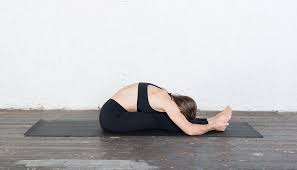
When you fold forward in this pose, your spine elongates, your hamstrings stretch, and your heart moves toward the earth. It’s a physical bow — a humble act that calms the nervous system, massages internal organs, and teaches patience. Unlike more dynamic postures, this one asks for stillness — not the stillness of inaction, but the stillness of awareness.
Spiritually, this asana symbolizes the act of letting go. We often carry emotional tension in our back and shoulders — the weight of our worries, regrets, and unspoken thoughts. As we soften into the Seated Forward Bend (Paschimottanasana), these emotional knots begin to unravel. What’s left is not just a flexible body but a peaceful heart.
Step-by-Step Guide to Performing Seated Forward Bend
- Start with the foundation
Sit on your yoga mat with your legs stretched straight in front of you. Keep your spine tall, shoulders relaxed, and palms resting beside your hips. It’s important to ensure your back remains erect — like the strong frame of a car before movement begins. - Engage your breath
Inhale deeply, allowing your spine to grow taller. Imagine a string gently pulling the crown of your head upward. This upward motion creates space in your back, preparing it for the forward fold. - Initiate the fold
As you exhale, hinge forward from your hips — not your waist. Lead with your chest, keeping your spine long. This helps prevent compression in your lower back and allows a deeper stretch through the hamstrings and calves. - Find your comfort
Rest your hands on your shins, ankles, or feet — wherever they comfortably reach. Avoid forcing the posture. The Seated Forward Bend (Paschimottanasana) is not about how far you can go but how present you can remain. - Hold and breathe
Stay in this position for 30 seconds to a few minutes, breathing deeply. With every exhale, feel your body melt a little closer to your legs. With every inhale, feel renewed energy move through your spine. - Release gently
When ready to release, inhale slowly and rise back up with control. Take a few moments to observe the sensations flowing through your body. Notice the calmness — the quiet energy that comes from simply being still.
Physical Benefits of Seated Forward Bend (Paschimottanasana)
The Seated Forward Bend (Paschimottanasana) is a treasure chest of health benefits. Though it may appear simple, it activates and rejuvenates nearly every system of the body.
- Enhances flexibility
One of the most noticeable benefits is improved flexibility in the hamstrings, calves, and lower back. Regular practice can release tightness that develops from long hours of sitting or driving. - Improves digestion
This posture compresses the abdomen, gently massaging the digestive organs. This stimulates the digestive process and can help relieve issues like bloating, indigestion, and sluggish metabolism. - Strengthens the spine
As the back muscles stretch and lengthen, the spine becomes more resilient. Over time, the posture improves body alignment and helps relieve mild back pain caused by poor posture. - Calms the nervous system
The forward folding motion naturally slows the heart rate and activates the parasympathetic nervous system — your body’s rest-and-digest mode. This helps reduce stress, anxiety, and even insomnia. - Improves blood circulation
Folding forward increases blood flow to the brain and pelvic region. This can improve focus, relieve fatigue, and promote hormonal balance. - Tones internal organs
The abdominal pressure created in the Seated Forward Bend (Paschimottanasana) stimulates the kidneys, liver, and pancreas, supporting detoxification and energy balance. - Aids in emotional release
The deep breathing and introspective nature of the pose help release emotional tension. It’s a form of gentle self-therapy — where you meet your own silence and listen to your inner rhythm.
The Emotional and Mental Connection
The Seated Forward Bend (Paschimottanasana) holds a special place in yoga not just for its physical effects but for its emotional depth. When we bend forward, we symbolically surrender the ego — the part of us that always wants control and perfection.
This asana teaches acceptance. Just like life, it’s not about how fast or how deep you go but how calmly you stay in the moment. It shows us that progress comes from patience, not pressure.
In times of stress, practicing this posture can feel like a quiet conversation with yourself. As your body relaxes, your thoughts slow down. You stop chasing what’s next and begin appreciating what is.
When held for a longer duration, the Seated Forward Bend (Paschimottanasana) transforms into a meditative experience. It helps build resilience, grounding you emotionally like deep roots of a tree — stable, calm, and centered even when the world feels uncertain.
Common Mistakes and How to Avoid Them
Many people approach the Seated Forward Bend (Paschimottanasana) thinking it’s only about reaching their toes. But yoga is not a competition; it’s a conversation with your body. Here are a few mistakes to watch out for:
- Rounding the spine
Avoid collapsing your back. Instead, focus on hinging from your hips and keeping your spine long. This protects your lower back. - Forcing the stretch
Never push beyond your comfort. A deep stretch should feel intense but never painful. Patience brings greater results than force. - Holding the breath
Many forget to breathe deeply while folding forward. Breath is what guides movement — without it, the pose loses its purpose. - Tight knees or locked joints
Keep a micro-bend in your knees if your hamstrings are tight. This prevents strain and encourages gradual flexibility. - Not engaging the core
A strong core supports the lower back and deepens the stretch safely. Lightly draw your navel in as you fold forward.
A Symbol of Surrender and Growth
In yoga, surrender doesn’t mean giving up — it means giving in to the present moment. The Seated Forward Bend (Paschimottanasana) beautifully represents this idea. It reminds us that real strength comes from softness, and growth often happens in stillness.
When you bow down in this pose, you’re not just stretching your body — you’re humbling your mind. You’re learning to listen to your breath, to honor your limits, and to find peace within effort.
1. Connecting Body and Mind Through Seated Forward Bend (Paschimottanasana)
When you fold forward and reach toward your feet, you are doing much more than working on your hamstrings or back. You are connecting your inner world with your physical body. This connection is what makes Seated Forward Bend (Paschimottanasana) deeply meditative.
As you breathe deeply and release each exhale, the body begins to surrender. The mind follows. The posture gently reminds you that true flexibility lies not only in muscles but also in the mind’s willingness to let go of resistance.
This deep release is symbolic. It teaches us to stop fighting the moments we cannot control and to embrace stillness — a lesson that mirrors life itself. For people who spend long hours driving, working in offices, or dealing with stressful environments, this pose brings an inner pause, much like parking a car after a long ride to let the engine cool down.
2. The Emotional Healing Power of Seated Forward Bend (Paschimottanasana)
Every stretch in Seated Forward Bend (Paschimottanasana) can stir buried emotions. Many practitioners describe this pose as a gentle release of old tension, both physical and emotional.
In yoga philosophy, the hips and the lower back are often seen as storage areas for unexpressed emotions — sadness, fear, or regret. When we fold forward, we give ourselves permission to let these emotions flow out, silently, without judgment. It’s an emotional cleansing process.
You might not even realize how much emotional weight you’re carrying until you feel it melt away in this posture. It’s a practice of humility and softness — teaching us that strength does not always mean standing tall; sometimes, it means surrendering gracefully.
3. Mental Clarity and Focus Through Seated Forward Bend (Paschimottanasana)
The stillness of Seated Forward Bend (Paschimottanasana) makes it one of the most effective poses for calming the racing mind. It encourages mindfulness — your awareness slowly moves from the chaos outside to the peace within.
When you close your eyes and tune into your breath during this posture, it becomes a meditative state. This focus clears away mental clutter, helping you think with greater clarity and intention.
In a world full of distractions — traffic, deadlines, social media, and noise — Seated Forward Bend (Paschimottanasana) acts like a mental brake. It helps you step back and process your thoughts before reacting. Much like how a careful driver takes a deep breath before hitting the accelerator, this posture trains your mind to act from calmness instead of stress.
4. Spiritual Meaning of Seated Forward Bend (Paschimottanasana)
Spiritually, the Seated Forward Bend (Paschimottanasana) represents humility and introspection. The act of bowing forward is a symbol of surrender — not of defeat, but of acceptance. It is an acknowledgment that there is peace in stillness and strength in patience.
In many ancient yogic texts, this pose is said to stimulate the “kundalini energy,” a spiritual force lying dormant at the base of the spine. As you perform this asana with devotion and mindfulness, this energy is believed to rise through your body, awakening creativity, insight, and higher awareness.
When performed regularly, the Seated Forward Bend (Paschimottanasana) can become a quiet prayer — a time when you meet your inner self beyond physical boundaries.
5. Seated Forward Bend (Paschimottanasana) for Stress Relief and Relaxation
Stress often shows up in the body as tight shoulders, a stiff back, or shallow breathing. Seated Forward Bend (Paschimottanasana) directly addresses these symptoms. By lengthening the spine and expanding the breath, it activates the parasympathetic nervous system — the body’s natural relaxation response.
You can think of it as pressing the “reset” button for your nervous system. The heart rate slows, blood pressure balances, and a feeling of quiet peace begins to spread throughout the body.
Even after a long, tiring day — whether from driving through traffic or managing endless tasks — sitting down for a few minutes in Seated Forward Bend (Paschimottanasana) can restore energy and balance.
6. Physical and Mental Benefits in Daily Life
The Seated Forward Bend (Paschimottanasana) is not only beneficial for flexibility but also for improving daily functioning. Let’s look at how it enhances both body and mind in everyday life:
| Area | Benefit of Seated Forward Bend (Paschimottanasana) |
|---|---|
| Posture | Corrects slouching and strengthens the back muscles |
| Digestion | Stimulates internal organs, aiding digestion |
| Sleep Quality | Calms the nervous system, improving rest |
| Focus & Concentration | Clears mental distractions and sharpens awareness |
| Emotional Balance | Reduces anxiety, anger, and restlessness |
| Flexibility | Improves elasticity in spine, hips, and legs |
| Energy Levels | Helps release fatigue and revitalize energy flow |
By including this posture in your daily yoga or fitness routine, you can experience a deeper sense of grounding and purpose.
7. The Right Way to Breathe in Seated Forward Bend (Paschimottanasana)
Breathing is everything in yoga. Without conscious breathing, Seated Forward Bend (Paschimottanasana) is just another stretch.
Here’s how to use breath to deepen your practice:
- Inhale: Lengthen your spine. Feel your ribs expand, creating space in your torso.
- Exhale: Gently fold forward from your hips, not your back.
- Hold: Breathe evenly and stay aware of each inhale and exhale.
- Exit: Slowly rise on an inhale, bringing your awareness back to your surroundings.
This breathing pattern ensures that your body remains relaxed while your mind becomes calm and centered.
8. Common Mistakes to Avoid
Even though Seated Forward Bend (Paschimottanasana) looks simple, beginners often make small errors that limit the benefits.
Avoid these mistakes:
- Rounding the spine too much — always fold from the hips.
- Forcing yourself to reach the toes — focus on comfort, not perfection.
- Holding the breath — keep a steady flow of air.
- Ignoring pain — yoga is never about pushing through discomfort.
Always remember: flexibility develops over time. Respect your body’s limits and grow gradually.
9. A Beginner’s Journey with Seated Forward Bend (Paschimottanasana)
If you are new to yoga, starting with Seated Forward Bend (Paschimottanasana) can be a deeply personal journey. Each practice session can feel slightly different — some days you’ll go deeper, and some days your body will resist. Both are fine.
Think of your body as a vehicle and your mind as the driver. When you treat your vehicle gently, maintaining it with care and patience, it will take you further with ease. The same applies here. Over time, this pose can transform your relationship with your body, helping you understand its needs and signals better.
10. Final Thoughts — The Gift of Seated Forward Bend (Paschimottanasana)
The Seated Forward Bend (Paschimottanasana) is a gentle yet powerful teacher. It teaches patience when the stretch feels intense. It teaches humility when you realize how limited your body can be some days. And it teaches self-compassion — that you don’t need to be perfect to feel peace.
Practicing this pose daily or even a few times a week can reshape your mind-body connection. You’ll notice not just physical changes but emotional and spiritual growth too.
This posture reminds us that slowing down is not weakness — it’s wisdom. That surrendering to stillness does not mean giving up — it means trusting life’s rhythm.
So, next time you unroll your yoga mat, sit down with intention, and let Seated Forward Bend (Paschimottanasana) lead you inward — where peace, strength, and balance truly begin.