
When life moves too fast, when noise surrounds us, and when our thoughts race ahead of our breath, there is one posture that gently invites us home—to ourselves. That posture is the Easy Pose, known in Sanskrit as Sukhasana. Despite its name, this pose isn’t just about sitting easily; it’s about creating space for peace, comfort, and balance in both body and mind. The Easy Pose is one of the simplest yet most profound positions in yoga—a meditative foundation that brings stillness to your world and harmony to your soul.
In yoga, not every posture requires strength or flexibility. Some, like the Easy Pose, ask for something deeper: presence. When you sit in Sukhasana, your body aligns with the earth, your spine rises toward the sky, and your heart opens in calm awareness. The simplicity of this pose hides its power—it’s a doorway to mindfulness, self-acceptance, and serenity.
The Story Behind the Easy Pose (Sukhasana)
The Easy Pose has roots stretching back thousands of years. In ancient yogic texts, Sukhasana is described as the natural posture for meditation and spiritual awakening. The word “Sukha” means “comfort,” “pleasure,” or “ease,” while “asana” means “pose.” Together, they represent a state of being that is calm yet alert—a balance between relaxation and awareness.
For yogis of the past, the Easy Pose wasn’t just a physical exercise; it was a sacred act. It symbolized grounding, humility, and a connection to the divine. Even today, when you sit cross-legged in this pose, you join a lineage of seekers who found peace by simply sitting still.
Understanding the Essence of Easy Pose
The Easy Pose looks simple: you sit cross-legged on the floor with your spine straight, shoulders relaxed, and hands resting gently on your knees. But beneath that simplicity lies depth. This pose teaches that true comfort doesn’t come from luxury or indulgence—it comes from within.
When you hold the Easy Pose with awareness, you begin to notice your breath, your heartbeat, and the soft rhythm of life itself. It’s a reminder that peace is not found in escaping the world but in sitting quietly within it.
Preparing for Easy Pose
Before entering Sukhasana, preparation matters. The body should feel open and the mind ready to rest.
- Choose a quiet space – Find a calm spot where you won’t be disturbed.
- Use a cushion or folded blanket – This supports the hips and helps your spine stay tall.
- Warm up gently – A few light stretches for the hips and legs make sitting easier.
- Set an intention – Decide why you’re practicing. Maybe it’s for calmness, clarity, or healing.
These small steps transform the act of sitting into a mindful ritual.
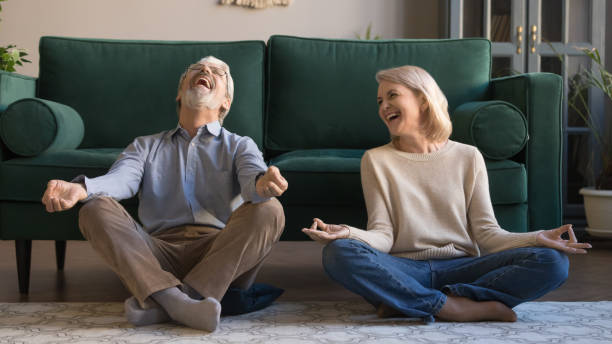
How to Practice the Easy Pose
- Sit on the floor with your legs stretched out.
- Cross your shins and bring each foot beneath the opposite knee.
- Let your knees relax toward the floor.
- Sit tall—your spine should be straight but not stiff.
- Rest your hands on your knees or in your lap.
- Close your eyes and breathe slowly.
Let your breath guide your posture. Inhale deeply through the nose, allowing the chest to expand, and exhale softly, releasing all tension.
Physical Benefits of the Easy Pose
Though it appears still, the Easy Pose quietly works wonders for your body.
- Improves posture – Strengthens the back and lengthens the spine.
- Opens the hips – Gently stretches tight hip muscles.
- Enhances flexibility – Encourages softness in the lower body.
- Supports calm breathing – Expands the lungs and deepens the breath.
- Promotes circulation – Encourages better blood flow to the pelvis and legs.
The Easy Pose teaches that the body and mind are mirrors—when the body sits with grace, the mind follows into peace.
Emotional and Mental Healing Through Easy Pose
Beyond the body, the Easy Pose nurtures emotional balance. In this posture, you invite silence. The noise of the world begins to fade, and your inner voice grows clearer. It’s often said that Sukhasana is the pose of truth because, in stillness, you begin to meet yourself.
Practicing Easy Pose helps release emotional tension stored in the hips and lower back—areas often burdened by stress and fear. As you breathe through the discomfort, you gently tell your body, “It’s safe to let go.”
Over time, this practice cultivates patience, compassion, and mental clarity. It becomes easier to respond to life rather than react to it.
Easy Pose as a Daily Practice
Even just five minutes a day in Easy Pose can transform your mornings or evenings. It’s an invitation to pause, reflect, and return to your center.
Start with short sessions and gradually extend your sitting time. You can use this posture while meditating, journaling, or simply breathing. The more often you practice, the more natural it feels.
Here’s a simple routine to include in your day:
| Time of Day | Practice Duration | Focus |
|---|---|---|
| Morning | 5–10 minutes | Set intentions and connect with calm energy |
| Afternoon | 3–5 minutes | Refresh focus and release stress |
| Evening | 10–15 minutes | Reflect and prepare for rest |
Aligning the Body in Easy Pose
Alignment is the heart of this pose. Proper alignment ensures comfort and allows energy to flow freely.
- Head: Aligned over the shoulders, chin slightly tucked.
- Shoulders: Relaxed and drawn slightly back.
- Spine: Naturally curved, rising tall like a growing tree.
- Hips: Grounded and stable, providing support.
- Hands: Resting gently on the knees or forming a mudra (gesture).
If your knees lift high or your back rounds, use support under your hips. Remember, the Easy Pose should feel easy—not forced.
Mindfulness in Easy Pose
When sitting in Easy Pose, focus your attention inward. Feel the gentle rise and fall of your breath. Notice the weight of your body pressing into the earth. Each inhale brings energy; each exhale brings release.
Thoughts may come, but don’t chase them. Let them drift away like clouds passing through a clear sky. This is where mindfulness begins—learning to sit with what is.
Why Easy Pose Matters Today
In a modern world filled with speed and distraction, the Easy Pose becomes a quiet rebellion. It reminds us that slowing down is not a weakness but a form of wisdom. Sitting in stillness teaches us that we are not defined by movement or noise but by presence.
Practicing the Easy Pose reconnects us to simplicity—a value often lost in our busy lives. It says, “You don’t need to do more. You just need to be here.”
Variations of Easy Pose for Comfort
Not everyone finds cross-legged sitting comfortable at first. Luckily, there are gentle variations:
- Supported Easy Pose – Sit on a yoga block or bolster to elevate the hips.
- Wall Support Pose – Sit with your back against a wall for extra stability.
- Chair Sukhasana – Sit on a chair with feet flat, spine tall, and hands on your thighs.
Each version offers the same essence: peaceful sitting with awareness.
The Spiritual Meaning Behind the Easy Pose
In many traditions, the Easy Pose symbolizes surrender and connection. It represents an open heart, a steady mind, and a grounded spirit. Sitting in this posture becomes an act of devotion—to yourself and to life.
The stillness of Sukhasana allows spiritual growth to unfold naturally. It opens the gateway to deeper meditation and self-discovery. When you sit in Easy Pose, you’re not just practicing yoga—you’re creating space for peace to live within you.
As we move deeper into the journey of the Easy Pose, it becomes more than a posture. It transforms into a gentle mirror reflecting who we truly are. Every breath, every moment of stillness, and every small shift in awareness brings us closer to the calm center that exists inside us all.
This second part of our exploration dives into the spiritual, emotional, and practical depth of the Easy Pose. It’s where the art of stillness begins to bloom, teaching us patience, mindfulness, and balance.
The Power of Breath in Easy Pose
Breathing is life’s rhythm, and in the Easy Pose, it becomes your anchor. When you sit tall and relaxed, your breath flows more freely, guiding your body toward peace and your mind toward clarity.
To experience this connection, begin with deep diaphragmatic breathing.
- Sit comfortably in Easy Pose.
- Inhale slowly through your nose, feeling your belly expand.
- Exhale through your nose, allowing your body to soften.
- Keep your breath steady, like gentle waves touching the shore.
This kind of mindful breathing quiets the mind and brings focus inward. It’s not about controlling the breath but listening to it—understanding its rhythm and allowing it to lead you into a state of calm awareness.
For those who wish to go further, alternate nostril breathing (Nadi Shodhana) can be practiced while in Easy Pose. It balances the left and right sides of the brain, bringing harmony between logic and intuition.
Meditation in Easy Pose
Easy Pose is one of the best postures for meditation because it allows you to sit still without strain. When your body feels comfortable, your mind can dive deeper into silence.
Here’s a simple meditation you can try:
- Sit in Easy Pose with your eyes closed.
- Bring your awareness to your breath.
- As you inhale, silently say “I am calm.”
- As you exhale, say “I am peaceful.”
- Continue for five to ten minutes, allowing thoughts to pass gently.
Over time, this practice builds inner strength. The world may still be noisy, but your inner space grows quieter, brighter, and more stable.
The Emotional Depth of the Easy Pose
The Easy Pose is not just about the body—it’s also about emotion. When you sit still, hidden feelings may surface: restlessness, sadness, even joy. Each emotion that arises is an opportunity to listen deeply to yourself.
In this stillness, you might realize that emotions are like weather—they come and go. Sukhasana helps you sit through the storm and discover that the sky beneath it never changes.
It’s in this awareness that healing begins. When practiced regularly, the Easy Pose can help release emotional blockages, ease anxiety, and encourage a sense of self-acceptance. It reminds you that peace is not found outside, but nurtured within.
Overcoming Discomfort in Easy Pose
For many beginners, sitting cross-legged can feel challenging. The hips may feel tight, the back might ache, or the legs may fall asleep. But remember—the Easy Pose isn’t about perfection. It’s about finding comfort within effort.
Here are a few practical tips to ease discomfort:
- Support the hips – Use a cushion, bolster, or folded blanket to elevate the hips above the knees. This helps reduce pressure on the lower back.
- Stretch before sitting – Gentle hip openers like Butterfly Pose or Seated Forward Bend prepare your body.
- Change leg positions occasionally – Alternate which leg is in front during long sessions.
- Use props – Pillows or yoga blocks under the knees provide support and reduce strain.
Even with these supports, discomfort may appear at times. Breathe into it, acknowledge it, and let it soften. The body learns through patience, not force.
The Connection Between Easy Pose and Energy Flow
In yogic philosophy, energy flows through channels called nadis. The spine acts as the main highway for this energy. When sitting in Easy Pose, the spine is aligned, allowing energy—known as prana—to move freely.
This alignment activates the body’s energy centers, especially the root chakra (Muladhara), located at the base of the spine. The root chakra symbolizes stability, safety, and grounding. When balanced, it brings a sense of belonging and confidence.
Sitting in Easy Pose nurtures this energy, helping you feel centered and secure. It’s as if you’re telling the earth, “I trust you to hold me,” while the sky whispers, “Rise and shine.”
The Symbolism of Stillness
We live in a time where speed is often mistaken for success. But the Easy Pose teaches that growth happens in stillness too. When you sit quietly, you are not being idle—you are tuning in to life itself.
This stillness is powerful. It teaches resilience, clarity, and gratitude. It reminds us that peace does not depend on conditions—it is a state of being we can cultivate anywhere, anytime.
The Easy Pose and the Modern World
In our fast-paced world, the simplicity of Sukhasana feels revolutionary. Whether you’re a student, a professional, or simply someone seeking calm, spending a few minutes each day in Easy Pose can transform how you experience life.
It helps you handle stress with grace, make decisions with clarity, and move through challenges with patience. It is a daily reminder that peace is not a distant goal—it’s available now, in this very moment, through the act of sitting still.
Even in the busiest moments, you can return to this pose—on a park bench, at your desk, or even in your car (with both feet grounded). Sukhasana becomes more than a posture; it becomes a mindset of calm awareness.
How to Integrate Easy Pose Into Daily Life
Here are ways you can bring the wisdom of Easy Pose into everyday routines:
| Situation | Practice | Benefit |
|---|---|---|
| Morning meditation | Sit for 10 minutes in Easy Pose with slow breathing | Builds clarity and focus |
| Before sleep | Practice deep breathing in Sukhasana | Reduces anxiety and aids rest |
| During breaks | Sit cross-legged for a few moments of silence | Refreshes mental energy |
| Before making decisions | Close your eyes in Easy Pose and observe your breath | Improves mindfulness and emotional balance |
The goal is not to do more, but to be more—more present, more calm, more connected.
The Easy Pose as a Spiritual Gateway
In ancient yoga traditions, the Easy Pose was often the starting point for deeper spiritual practices. It’s where mantras were chanted, prayers were whispered, and insights were born.
When you sit with awareness, your inner world becomes a sacred temple. You realize that spirituality doesn’t always require grand rituals—sometimes, it’s found in the quiet act of breathing.
For many practitioners, Easy Pose opens the heart chakra, inviting compassion, forgiveness, and unconditional love. As you sit, your heart softens, your breath deepens, and your awareness expands.
The Emotional Language of the Body
Every part of your body tells a story. When you sit in Easy Pose, you are listening to those silent stories—the tightness in your hips, the stiffness in your back, the calmness in your chest.
This awareness creates a dialogue between mind and body. With each breath, you learn to trust your body more. You begin to see discomfort not as an obstacle, but as a message asking for kindness.
Transformative Power of Consistency
Like all practices, the Easy Pose grows with consistency. Even two minutes a day can create a shift. Over time, it cultivates patience, builds mindfulness, and anchors your thoughts in gratitude.
Here’s a gentle 7-day Easy Pose routine you can try:
| Day | Duration | Focus |
|---|---|---|
| 1 | 5 minutes | Awareness of breath |
| 2 | 7 minutes | Relaxation of shoulders and hips |
| 3 | 10 minutes | Observing thoughts |
| 4 | 12 minutes | Deep breathing and calm focus |
| 5 | 15 minutes | Inner peace and stillness |
| 6 | 15 minutes | Gratitude meditation |
| 7 | 20 minutes | Silent sitting in full awareness |
By the end of the week, you’ll notice subtle changes—less restlessness, more calm, and a stronger sense of presence.
What the Easy Pose Teaches Us
The Easy Pose teaches us life’s greatest lesson: simplicity holds power. You don’t need to twist, reach, or strain to find balance. Sometimes, you just need to sit and breathe.
It teaches patience—the art of being okay with what is. It teaches humility—accepting that peace comes from within, not from achievement. And above all, it teaches awareness—the light that guides you home to yourself.
When practiced daily, Sukhasana becomes a refuge. It becomes the still point in the spinning world, reminding you that tranquility is your birthright.
The Soul’s Whisper in Easy Pose
When you close your eyes in Easy Pose, the world softens. The noise fades. You begin to hear something quiet and pure—your own inner voice. It tells you that you are enough, that peace has always been within reach, waiting for you to stop and listen.
In that moment, the Easy Pose becomes more than a yoga posture. It becomes a conversation with your soul.
Final Reflection
Easy Pose (Sukhasana) is not just about sitting comfortably—it’s about sitting truthfully. It’s about coming home to yourself after a long day, finding calm in chaos, and rediscovering the stillness that connects us all.
Through regular practice, this pose teaches that the journey to peace doesn’t begin on a distant mountain or in a grand temple—it begins right where you are, in the quiet of your breath and the softness of your heart.
In every breath, every pause, and every gentle moment in Easy Pose, you learn that stillness is not the absence of movement—it’s the presence of awareness. And that awareness is where true joy begins.