
In a world that never stops moving, finding a moment for yourself can feel almost impossible. Between long hours at work, endless notifications, and the constant noise of life, our minds and bodies crave balance. That’s where the full body yoga workout comes in — a practice that doesn’t just stretch your muscles, but awakens your spirit, strengthens your body, and brings peace to your soul.
Yoga has been practiced for thousands of years, but what makes it timeless is its ability to adapt. A full body yoga workout isn’t just a physical routine; it’s a complete reset — for your muscles, your energy, and your mindset. Whether you’re new to yoga or already have experience, this practice offers something deeply personal. It’s more than fitness; it’s a connection to yourself.
Understanding What a Full Body Yoga Workout Really Means
A full body yoga workout targets every major muscle group while improving balance, flexibility, and focus. But unlike traditional workouts that emphasize repetition and resistance, yoga focuses on flow — on breathing, posture, and awareness. It tones your body not through force, but through harmony.
You’re not just moving your body; you’re learning how to move with purpose. Each posture engages a specific set of muscles, yet the transitions between them are where the magic happens. When you link breath with movement, something incredible occurs — your body becomes stronger, your mind clearer, and your emotions calmer.
A full body yoga workout is built on three foundational elements:
- Breath control (Pranayama) – The foundation of every yoga flow, connecting the body and mind.
- Asanas (postures) – The physical poses that develop strength, flexibility, and endurance.
- Mindfulness – The awareness that transforms simple movement into meditation in motion.
When these three come together, they create balance — a state where your body works efficiently, your mind feels light, and your spirit feels free.
Why a Full Body Yoga Workout is More Than Just Exercise
Many people approach yoga for fitness, but soon realize it gives them far more than toned arms or a flexible spine. It teaches patience. It builds discipline. It helps you let go of stress.
While a full body yoga workout can sculpt your physique — tightening your core, strengthening your legs, and improving posture — it also shapes how you feel from within. It helps you discover a version of yourself that is calmer, more confident, and more connected.
One of the emotional strengths of yoga lies in its inclusivity. It doesn’t matter your age, size, or ability; the mat welcomes everyone. You move at your pace, breathe at your rhythm, and grow at your comfort. That’s why yoga feels so personal — it meets you exactly where you are.
Physical Benefits of a Full Body Yoga Workout
A full body yoga workout is an excellent way to engage every muscle group in a single session. Here’s how it transforms your body:
| Area | Benefits |
|---|---|
| Core | Builds stability and supports better posture |
| Legs | Increases endurance, balance, and flexibility |
| Arms and Shoulders | Strengthens muscles and tones upper body |
| Back | Reduces tension and improves spinal alignment |
| Heart and Lungs | Boosts circulation and breathing capacity |
| Overall Body | Improves coordination and balance while reducing fatigue |
Yoga works on both the superficial and deep muscle layers, meaning your body develops functional strength rather than just appearance.
Emotional and Mental Benefits
A full body yoga workout isn’t just about what you see in the mirror; it’s about how you feel when you close your eyes. The meditative aspect of yoga activates calmness in your nervous system, lowers stress hormones, and increases mindfulness.
People who practice yoga regularly report feeling more grounded and emotionally balanced. This happens because yoga encourages presence — you can’t be in yesterday or tomorrow when you’re holding a pose that challenges both your strength and your breath.
Over time, your mat becomes more than just a place to move. It becomes a safe space — where your worries fade, your breathing slows, and your thoughts align.
The Perfect Routine: How to Build a Full Body Yoga Workout
A full body yoga workout combines standing, balancing, and floor postures to ensure complete engagement. Below is a simple but powerful structure that can be customized for any level.
- Warm-Up (5-10 minutes)
- Begin with deep breathing and gentle stretches.
- Neck rolls, shoulder rotations, and wrist circles prepare your joints.
- Cat-Cow pose (Marjaryasana/Bitilasana) to awaken the spine.
- Standing Flow (15 minutes)
- Mountain Pose (Tadasana): Sets posture and stability.
- Sun Salutation (Surya Namaskar): A dynamic warm-up engaging all major muscles.
- Warrior I and II (Virabhadrasana): Builds leg strength and focus.
- Triangle Pose (Trikonasana): Stretches and strengthens simultaneously.
- Core and Balance Section (10 minutes)
- Plank Pose: Strengthens arms, shoulders, and core.
- Boat Pose (Navasana): Activates abdominal muscles.
- Tree Pose (Vrikshasana): Improves balance and concentration.
- Flexibility and Release (10-15 minutes)
- Downward Dog (Adho Mukha Svanasana): Lengthens spine and hamstrings.
- Pigeon Pose (Eka Pada Rajakapotasana): Opens hips and releases tension.
- Seated Forward Bend (Paschimottanasana): Promotes relaxation and flexibility.
- Cool Down and Relaxation (5-10 minutes)
- Gentle twists and stretches to calm the nervous system.
- End with Corpse Pose (Savasana) — complete relaxation, total stillness.
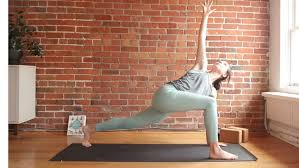
Each session should last between 45–60 minutes, allowing you to engage your entire body and mind. Over time, this routine not only improves your flexibility and strength but also enhances your daily energy and mood.
Breathing: The Heart of a Full Body Yoga Workout
Breath is the silent partner in every yoga pose. Without it, movement loses rhythm and purpose. Deep, controlled breathing — known as Pranayama — helps circulate oxygen through the body, steadying the mind and stabilizing the heart rate.
When you focus on your breath, you turn ordinary movement into meditation. You begin to hear the subtle rhythm of your body — your heart’s beat, your lungs expanding, the calm between each inhale and exhale. It’s a reminder that you are alive, and every breath is a gift.
Breathing correctly during your full body yoga workout helps you move deeper into poses, stay longer, and remain present. It’s the bridge between your body and your consciousness.
Why a Full Body Yoga Workout Fits Every Lifestyle
You don’t need expensive gym memberships or high-end equipment to practice yoga. All you need is a mat, an open mind, and commitment. That simplicity makes yoga one of the most sustainable and inclusive fitness practices in the world.
For busy professionals, it’s a powerful way to recharge after long hours at a desk. For parents, it’s a peaceful break from daily responsibilities. For older adults, it’s a gentle yet powerful way to maintain mobility and balance.
You can practice your full body yoga workout anywhere — in your bedroom, on your lawn, or at a studio. It adjusts to your lifestyle instead of demanding you adjust to it.
Motivation Through Consistency
Like any meaningful transformation, results from yoga come with consistency. At first, some poses may feel challenging, and your balance might waver. But that’s the beauty of yoga — progress comes quietly, through patience and practice.
Over time, your body will grow stronger, your movements smoother, and your confidence unshakable. And beyond the physical changes, you’ll notice something deeper — a newfound calm that stays with you long after you leave the mat.
Every time you step on the mat, remember: it’s not about perfection. It’s about connection. You’re not competing; you’re evolving.
Expanding the Flow — Building Endurance and Strength
When your body becomes familiar with foundational yoga poses, it’s time to expand the flow. A full body yoga workout in its advanced form includes sequences that challenge balance, endurance, and stamina while still promoting mindfulness. You’re not just stretching your muscles — you’re testing your mental strength too.
1. Warrior Flow Sequence
This series combines Warrior I, II, and III into a continuous flow. Warrior poses ignite your inner fire, improve leg strength, and enhance balance. As you move from one warrior pose to another, feel your body become grounded like the earth — strong, steady, and unstoppable.
2. Plank Variations
Plank isn’t just about arm strength; it’s a full-body engagement. Move between forearm plank, side plank, and high plank. Each variation tones your core, shoulders, and glutes. As you hold these poses, visualize your body as a pillar of stability, capable of carrying any weight life throws your way.
3. Bridge to Wheel Pose
The transition from Bridge to Wheel opens the chest, stretches the abdomen, and strengthens the spine. It symbolizes courage — the courage to open your heart and face the world with confidence. This part of the full body yoga workout helps release tension trapped in the chest, often caused by stress or emotional strain.
The Art of Mindful Breathing
Your breath is the rhythm of your yoga practice. Without it, even the most beautiful poses lose their depth. In a full body yoga workout, breathing creates harmony between effort and ease.
Try this sequence:
- Inhale deeply through the nose as you raise your arms above your head in Mountain Pose.
- Exhale slowly as you fold forward, releasing your back and neck.
- Inhale as you extend your spine halfway, finding length.
- Exhale again as you step back into Downward Dog, feeling your whole body awaken.
Mindful breathing teaches you to flow through challenges with grace, whether on the mat or in life. Every inhale becomes a reminder of strength; every exhale, a release of fear.
Balancing Body and Mind
A true full body yoga workout doesn’t just build muscles — it balances your emotions and thoughts. Balance poses like Tree Pose, Dancer Pose, and Eagle Pose train your focus. You’ll wobble, sometimes fall, but with each attempt, you learn patience and control.
In Tree Pose, when one foot roots into the ground and the other rises, it mirrors the balance of life — stability in the midst of movement. These poses also improve coordination, which is vital for maintaining overall body awareness.
Emotional Benefits of a Full Body Yoga Workout
It’s easy to think of yoga as something purely physical, but deep within, it’s a bridge between mind and emotion. A consistent full body yoga workout helps release stored emotions. When you stretch your hips or twist your spine, you’re not only freeing your muscles — you’re letting go of hidden emotional tension.
People often report feeling lighter and calmer after a yoga session. That’s because yoga releases endorphins — natural mood boosters — while reducing cortisol, the stress hormone. It can help you feel more confident, improve your relationships, and strengthen your connection with yourself.
Yoga for Every Lifestyle
One of the most beautiful things about a full body yoga workout is its adaptability. Whether you’re a student, a busy professional, or someone balancing family life, yoga fits into your schedule.
Here’s how to make it part of your daily routine:
Morning Routine:
Start your day with 20 minutes of Sun Salutations and gentle stretches to awaken your energy.
Midday Break:
A 10-minute flow focusing on backbends and twists helps you recharge if you sit for long hours.
Evening Wind Down:
End your day with restorative poses like Legs-Up-the-Wall and Child’s Pose to calm your nervous system and prepare for rest.
Even if you can’t dedicate an hour, short sessions matter. Consistency is what transforms your body and mind.
Nutrition and Hydration for Yoga
To get the most from your full body yoga workout, you must fuel your body wisely. Eating light before practice ensures that you move comfortably without heaviness. Focus on foods rich in protein, fiber, and hydration — fruits, vegetables, nuts, and whole grains.
Hydration is equally essential. Water supports muscle recovery and prevents fatigue. Herbal teas and coconut water are also wonderful post-yoga drinks that help replenish electrolytes naturally.
The Science Behind a Full Body Yoga Workout
Science supports what ancient yogis have known for centuries. Studies show that regular yoga improves cardiovascular health, flexibility, muscle tone, and even cognitive function.
When you perform a full body yoga workout, you activate both the sympathetic (fight or flight) and parasympathetic (rest and digest) nervous systems, creating harmony within your body. This balance helps reduce anxiety, lower blood pressure, and improve sleep.
Yoga also increases the production of gamma-aminobutyric acid (GABA), a neurotransmitter that promotes calmness. This chemical balance in the brain explains why many people experience deep peace after yoga.
Overcoming Challenges in Yoga Practice
It’s normal to face obstacles. Some days your body feels tight, or your mind wanders. That’s part of the journey. What matters most is persistence.
Remember, yoga isn’t about perfection — it’s about presence. Even if you fall out of a pose, smile and start again. Every practice, no matter how small, is progress.
Listening to your body is vital. If a pose causes pain, modify it. Use props like blocks or straps if needed. Yoga meets you where you are — not where you think you should be.
Creating Your Home Yoga Space
To truly embrace a full body yoga workout, create a personal sanctuary for practice. Choose a quiet space with enough room to stretch. Use a non-slip mat, light a candle, or play soothing music.
The goal isn’t to create a perfect setup but to design an environment that makes you feel comfortable and connected. Over time, this space becomes sacred — a place where you heal, grow, and rediscover your strength.
Incorporating Meditation and Relaxation
No full body yoga workout is complete without stillness. After every session, take a few minutes to rest in Savasana (Corpse Pose). This simple posture allows your body to absorb the benefits of your practice.
Add a short meditation to deepen your awareness. Focus on your breath, let go of thoughts, and feel gratitude for your body and effort. Meditation connects you to your inner peace — a place untouched by daily chaos.
A Journey Without End
Yoga isn’t a destination; it’s an ever-unfolding path. The more you practice, the more you discover — about your body, your emotions, and your soul. A full body yoga workout transforms not only your physique but your entire outlook on life.
You start noticing beauty in small moments, patience in challenges, and strength where you once saw weakness. It teaches you to live fully, breathe deeply, and love unconditionally.
So, whether you are a beginner or have years of experience, keep showing up. Every pose, every breath, brings you closer to your most authentic self.
Final Thoughts
A full body yoga workout is more than fitness — it’s a lifestyle, a reflection of self-respect, discipline, and inner peace. It encourages you to care for yourself so you can face the world with clarity and compassion.
When you roll out your mat tomorrow, remember this: You are not just exercising. You are awakening your potential, aligning your energy, and celebrating the miracle of being alive.
Because at its heart, yoga isn’t just about touching your toes. It’s about touching your soul.