
Meditation is supposed to bring clarity, calmness, and awareness—but let’s be honest: sometimes, it just brings sleep.
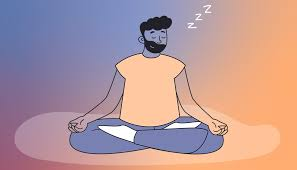
If you’ve ever sat down, closed your eyes, taken a few deep breaths… and then found yourself waking up ten minutes later with your head tilted forward, you’re not alone.
Almost everyone who practices meditation—especially beginners—has faced this problem. You start with the purest intention to be mindful, and then the next thing you know, you’re drifting off to dreamland.
The question is, why does this happen? And more importantly, how do you stop falling asleep during meditation while still staying relaxed and focused?
This article takes you on a deep, emotional, and practical journey to answer that question. You’ll learn what’s happening in your body and mind when you meditate, why sleepiness arises, and how to master the art of staying awake in stillness.
Why You Keep Falling Asleep During Meditation
Before you can fix something, you have to understand it. Falling asleep during meditation isn’t a sign of failure—it’s a natural physiological response.
Here are the most common reasons people drift off:
| Reason | Explanation | Impact on Meditation |
| Physical Fatigue | You’re meditating when your body is tired or sleepy. | Your brain switches to a rest state instead of awareness. |
| Over-Relaxation | Meditation activates the parasympathetic system, making you calm and sleepy. | The calmness crosses into drowsiness. |
| Improper Posture | Slouching or lying down encourages your body to rest, not focus. | Your body assumes it’s bedtime. |
| Poor Timing | Meditating right after a meal or late at night can lead to sluggishness. | Your energy naturally dips. |
| Lack of Engagement | Without enough mindfulness stimulation, the brain gets bored. | The mind checks out and drifts into sleep. |
What’s fascinating is that falling asleep during meditation isn’t a “mistake.”
It’s actually your body’s way of seeking balance—trying to heal or restore itself. However, the real goal of meditation isn’t to escape awareness, but to stay within it.
So, let’s shift the focus: instead of fighting sleep, let’s learn to transform drowsiness into deep awareness.
1. Choose the Right Time to Meditate
Timing is everything when it comes to staying awake during meditation.
If you meditate too early in the morning, before you’ve fully woken up, your body might still be in sleep mode.
If you meditate too late at night, fatigue takes over.
So, when is the best time to meditate if you want to avoid nodding off?
Ideal Times for Alert Meditation:
| Time of Day | Why It Works | Tips |
| Morning (6–8 AM) | Your energy is fresh, the mind is quiet, and the world is still. | Splash your face with cold water before sitting. |
| Afternoon (12–3 PM) | Great for a mental reset during the day. | Meditate before lunch or after light stretching. |
| Early Evening (5–7 PM) | Calms your nerves after work but before exhaustion. | Avoid heavy meals or alcohol beforehand. |
Avoid meditating right after eating or when you’re physically tired.
Meditation isn’t about forcing stillness—it’s about balancing relaxation and alertness.
2. Master the Art of Upright Posture
Your posture tells your brain what to do.
When you slump, your nervous system interprets that as a cue to rest. When you sit tall, it signals alertness.
A good meditation posture blends comfort with alert energy.
Here’s how to set it up:
- Sit on a cushion or straight-backed chair.
- Keep your spine tall but not rigid.
- Tuck your chin slightly inward.
- Rest your hands on your knees or lap.
- Keep your eyes gently open or half-closed.
When your posture supports you, your body stays calm, but your mind stays bright.
If sitting cross-legged is too difficult, use a meditation bench or sit in a chair with both feet on the floor.
The key is to align your spine with awareness.
“A straight spine is the bridge between body and consciousness.”
3. Activate Your Energy Before You Sit
If you go directly from your bed or couch into meditation, your body hasn’t had a chance to wake up.
Try adding a short energizing routine before meditating. This activates your body and prevents early drowsiness.
Quick 5-Minute Energy Routine Before Meditation
| Step | Activity | Duration |
| 1 | Stretch your arms and back | 30 seconds |
| 2 | Roll your shoulders and neck | 30 seconds |
| 3 | Take 10 deep, fast breaths (Kapalabhati) | 1 minute |
| 4 | Stand up and shake your limbs | 1 minute |
| 5 | Sit down, close your eyes, and begin | — |
These small movements awaken your circulation and focus, making meditation feel fresh instead of sleepy.
4. Keep Your Eyes Slightly Open
One of the simplest ways to stop falling asleep during meditation is to not close your eyes completely.
When your eyes are closed, your brain thinks: it’s time to rest.
But when they’re slightly open—gazing softly downward—it keeps the brain subtly alert.
Try this:
- Look downward at a 45-degree angle.
- Let your gaze be soft, unfocused.
- Don’t strain your eyes; just stay aware.
This small trick creates a bridge between relaxation and wakefulness.
5. Adjust Your Breathing Rhythm
Breathing is the heartbeat of meditation.
When you breathe too slowly or shallowly, your body enters a sleep-like rhythm.
To prevent this, learn to balance your breath—calm but awake.
Try this Alert Breath Pattern:
- Inhale deeply for 4 seconds.
- Hold your breath gently for 2 seconds.
- Exhale completely for 4 seconds.
- Hold again for 1 second.
Repeat this rhythm for 2–3 minutes before beginning your practice.
This keeps your energy flowing, your oxygen level stable, and your brain active.
“Every breath can be a reminder that you are alive, awake, and capable of awareness.”
6. Shift Your Focus During Meditation
If you meditate with the same technique daily—like focusing only on your breath—it might become too familiar.
Your brain, craving novelty, starts drifting off.
To stay awake, try rotating your focus every few minutes.
Example Routine:
- Begin with 3 minutes of mindful breathing.
- Shift to body awareness (feeling your hips, shoulders, chest).
- Focus on ambient sounds—notice what you hear.
- Return to breath awareness.
Changing your anchor point keeps the mind alert and involved.
7. Meditate in Natural Light
Environment affects your alertness more than you think.
If your room is too dim, your brain’s melatonin levels rise, making you sleepy.
Meditating in natural sunlight or near a bright window instantly lifts your energy.
If you meditate in the early morning or at night, consider adding soft warm lighting—not too bright, but enough to prevent drowsiness.
8. Understand the “Sleepiness” Stage in Meditation
In traditional Buddhist teachings, sleepiness during meditation is called “sloth and torpor.” It’s one of the “five hindrances” to mindfulness.
Recognizing it is the first step to overcoming it.
When you notice yourself nodding off, don’t criticize yourself. Instead, gently acknowledge it:
“Sleepiness is here.”
Then, take one of these steps:
- Open your eyes.
- Take a few deep breaths.
- Straighten your posture.
- If it persists, stand and walk for a minute, then return.
The goal is not to resist, but to reawaken awareness.
9. Use the “Candle Flame” Technique
Here’s a little-known technique that works wonders:
Sit in front of a candle (or any small flame) and gaze at it softly while meditating.
The flickering light stimulates the visual cortex, preventing sleepiness while keeping you focused.
It also trains single-pointed concentration—the foundation of deep meditation.
Just make sure to keep the flame at eye level and maintain a soft gaze without straining your eyes.
10. Practice Walking Meditation
If seated meditation always makes you sleepy, try walking meditation for a while.
In walking meditation, each step becomes your anchor. You walk slowly, mindfully, feeling the movement of your legs, the contact with the ground, and your breath in sync.
This form of meditation keeps your body active while training mental stillness—a perfect balance between rest and awareness.
11. Nourish Your Body
Sometimes the cause of sleepiness isn’t mental—it’s physical imbalance.
If you’re not sleeping enough at night or eating the wrong foods before meditation, you’re setting yourself up for fatigue.
Quick Nutrition & Lifestyle Tips:
- Get 7–8 hours of quality sleep.
- Avoid heavy meals before meditating.
- Stay hydrated.
- Limit caffeine before practice—too much can cause a crash.
Meditation thrives on balance. A nourished body supports an alert mind.
12. Embrace Emotional Awareness
Sometimes, falling asleep during meditation isn’t physical tiredness—it’s emotional exhaustion.
When you sit still, the mind starts to release suppressed feelings—grief, sadness, or anxiety. Your subconscious tries to protect you by numbing out… which feels like sleep.
Instead of resisting, try acknowledging your emotions gently.
Tell yourself:
“It’s okay to feel this.”
Over time, your body will learn to stay present instead of shutting down.
13. The Power of Intention
Never underestimate the simple act of setting an intention before meditation.
Before sitting, take a deep breath and say to yourself:
“Today, I choose awareness. I choose to stay awake and present.”
Intentions set the tone for the entire session.
When your mind starts drifting, that intention gently pulls you back.
14. How Long Should You Meditate When You’re Sleepy?
When you’re struggling with drowsiness, shorter sessions are actually more effective.
Try 10–15 minute sessions rather than forcing yourself to sit for 30–40 minutes.
Gradually increase the time as your alertness improves.
Consistency matters more than duration.
Meditate often, even briefly—and the quality of your awareness will expand naturally.
15. Recognize the Fine Line Between Rest and Awareness
Here’s a beautiful truth:
The state of deep meditation and light sleep can feel similar—but they’re not the same.
In sleep, awareness fades.
In meditation, awareness expands.
When you feel that “in-between” zone—where your body is heavy and your mind drifts—that’s actually progress.
Stay there consciously. That’s where meditation begins to transform you.
Emotional Closing: The Awakening Within
Learning how to stop falling asleep during meditation isn’t just about staying physically awake. It’s about staying emotionally awake—to your thoughts, your feelings, and your inner truth.
Falling asleep means you’re human. Staying awake means you’re learning.
Meditation isn’t about perfection—it’s about awareness, breath by breath, moment by moment.
“Awareness is not the absence of sleep—it’s the presence of life.”
So next time you sit down to meditate, don’t fight sleep.
Instead, invite wakefulness in—gently, like the morning sun through your window.
Sit tall, breathe deeply, open your heart.
And remember: staying awake isn’t about effort—it’s about connection.
When you are truly connected to your breath, your body, and your being—sleep has no place. Only awareness remains.
Summary Table: Staying Awake During Meditation
| Tip | Purpose | Result |
| Choose the right time | Avoid fatigue cycles | Sharper focus |
| Maintain good posture | Prevent relaxation turning to sleep | Balanced energy |
| Open your eyes slightly | Stimulate alertness | Continuous awareness |
| Energize before sitting | Awaken circulation | More vitality |
| Adjust breathing | Stabilize oxygen & focus | Prevent drowsiness |
| Practice walking meditation | Engage body | Maintain mindfulness |
| Set clear intention | Anchor awareness | Consistent alertness |
Final Thoughts
Meditation is a practice of returning—again and again—to presence.
You will fall asleep sometimes. You will drift. You will get distracted. But each time you wake up, you’ve already succeeded.
Because awakening doesn’t happen once—it happens every time you return to awareness.
So, the next time you catch yourself nodding off, smile.
You’re not failing. You’re simply being human, learning how to awaken.
And one day, without even realizing it, you’ll find yourself sitting in stillness—awake, aware, alive.
That’s the quiet victory of meditation..