
There are moments in life when our bodies and minds crave stillness. We search for something that can quiet the noise, relieve the tension, and connect us back to our inner peace. In the world of yoga, few postures embody this serenity better than Plow Pose Yoga (Halasana) — a beautiful inversion that restores, relaxes, and renews from the inside out.
Plow Pose Yoga isn’t just another asana; it’s a symbol of surrender. It gently turns your world upside down, reminding you that true balance comes when we trust the process and allow the body to flow naturally. As you fold into this posture, the mind softens, the breath deepens, and the heart finds a quiet rhythm that whispers — “you are enough, right here, right now.”
This blog will guide you through the essence, practice, and emotional depth of Plow Pose Yoga, written for everyone — especially those seeking physical wellness, emotional release, and a little more peace in their daily lives.
Understanding the Meaning and Origins of Plow Pose Yoga
The name Halasana comes from the Sanskrit word “Hala,” meaning “plow,” and “asana,” meaning “pose.” Just like a farmer uses a plow to prepare the soil for new growth, Plow Pose Yoga prepares your body and mind for renewal. It clears inner clutter — both physical and emotional — to plant the seeds of balance, clarity, and calm.
This pose has deep roots in traditional Hatha Yoga, practiced for centuries to rejuvenate the spine, calm the nervous system, and promote long life. In ancient yogic texts, Halasana is described as a pose that turns one’s energy inward — helping the practitioner move beyond surface thoughts into deep awareness.
It’s not only a pose of flexibility; it’s a meditation in movement.
Physical and Emotional Benefits of Plow Pose Yoga
When you practice Plow Pose Yoga, it’s not just your spine that stretches — your mind opens too. This asana carries benefits that reach far beyond the mat, touching your physical, mental, and emotional wellbeing.
1. Spinal Rejuvenation and Flexibility
Plow Pose stretches the entire spine from neck to tailbone, improving mobility and posture. It helps release tension trapped in the back and shoulders, making it one of the most therapeutic yoga poses for modern lifestyles that involve long hours of sitting or screen time.
2. Nervous System Relaxation
The gentle inversion stimulates the parasympathetic nervous system — your body’s natural “rest and digest” mode. This calms anxiety, reduces fatigue, and promotes deep inner peace.
3. Improved Digestion and Detoxification
By compressing the abdominal area, Plow Pose Yoga massages internal organs, stimulating digestion and improving metabolism. It also enhances blood flow to the liver and kidneys, aiding natural detoxification.
4. Relief from Insomnia and Stress
Practicing Plow Pose before bedtime can quiet the mind, making it easier to fall asleep. It soothes the brain and releases mental tension, creating a sense of grounded tranquility.
5. Strengthens the Immune System
This inversion boosts lymphatic circulation, which supports immunity. It helps the body remove toxins more effectively and strengthens natural defense mechanisms.
6. Emotional Cleansing
Beyond the physical, Plow Pose Yoga helps release emotional blockages stored in the shoulders and spine. As you fold inward, you experience humility and introspection — a space where healing begins.
Who Can Practice Plow Pose Yoga
Plow Pose Yoga welcomes everyone — from beginners to advanced practitioners — but it’s important to listen to your body. Those with neck pain, spinal injuries, high blood pressure, or recent surgeries should approach gently or seek guidance from an experienced yoga teacher.
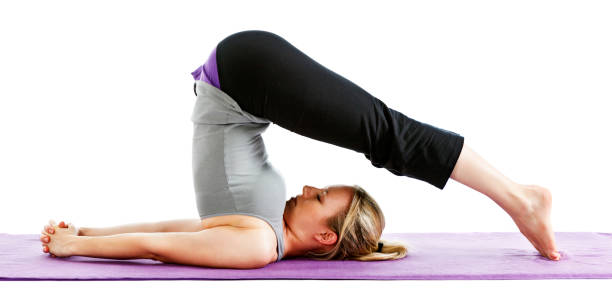
If you’re new to inversions, don’t rush. Yoga isn’t about perfection; it’s about presence. Even attempting Halasana with partial movement can bring immense benefits.
Preparation Before Practicing Plow Pose Yoga
Like all deep stretches, preparation is key. A few minutes of warm-up ensures your body is open and ready for the posture.
Recommended Preparatory Poses:
- Cat-Cow Pose (Marjaryasana-Bitilasana) – to awaken the spine
- Bridge Pose (Setu Bandhasana) – to warm up the back and neck
- Shoulder Stand (Sarvangasana) – as a stepping stone to full Halasana
- Supine Spinal Twist (Supta Matsyendrasana) – to release lower back tension
Breathing Preparation:
Practice slow, deep breathing for 3–5 minutes before you begin. Focus on inhaling through the nose and exhaling through the mouth, letting go of stress with every breath.
Step-by-Step Guide to Performing Plow Pose Yoga
Mastering Plow Pose Yoga takes patience, alignment, and breath. Let’s walk through it step by step.
Step 1: Starting Position
- Lie flat on your back with arms by your sides, palms facing down.
- Relax your shoulders and align your head in the center.
- Close your eyes for a moment and focus on steady breathing.
Step 2: Engage the Core
- Inhale deeply, pressing your palms gently into the floor.
- As you exhale, lift both legs upward toward the ceiling, forming a 90-degree angle.
Step 3: Lift the Hips
- Place your hands on your lower back for support and gently lift your hips off the ground.
- Keep your legs strong and straight.
Step 4: Move into the Plow Position
- Slowly lower your legs behind your head, keeping your feet together.
- Let your toes rest gently on the floor (or as close as comfortable).
- Your chin should move slightly toward your chest, elongating the neck.
- Keep your hands supporting your back or extend them flat on the mat with palms down.
Step 5: Hold and Breathe
- Stay in the position for 15–30 seconds initially.
- Breathe slowly and calmly through your nose.
- Focus your attention on your breath and the gentle stretch in your spine.
Step 6: Coming Out Safely
- Place your hands back on your lower back for support.
- Slowly roll down one vertebra at a time as you exhale.
- Keep your legs controlled, returning gently to the floor.
Step 7: Relax and Reflect
- Lie flat and allow your breath to return to normal.
- Notice the calm and lightness flowing through your body.
Common Mistakes to Avoid in Plow Pose Yoga
Even though Plow Pose Yoga looks serene, it requires care and awareness. Avoid these common mistakes to protect your neck and spine:
- Forcing the legs to the ground – If your toes don’t reach the floor, that’s okay. Forcing can strain your neck or spine.
- Incorrect neck alignment – Never turn your head while in Halasana. Keep it centered and still.
- Tense shoulders – Relax your upper body and allow the shoulders to open naturally.
- Shallow breathing – Don’t hold your breath. Breathing deeply keeps the body relaxed and oxygenated.
- Rushing out of the pose – The way you exit the pose matters as much as entering it. Always come down slowly and mindfully.
Tips for Beginners Practicing Plow Pose Yoga
If you’re new, be kind to your body. Here are a few tips to make your journey safe and enjoyable:
- Use a folded blanket under your shoulders for extra neck support.
- Practice near a wall for security and confidence.
- Focus on slow progression instead of perfection.
- Combine your practice with restorative poses like Child’s Pose for balance.
- Most importantly, smile through your practice — progress grows from joy, not pressure.
Breathing and Mindfulness During the Pose
The magic of Plow Pose Yoga lies not just in its shape but in its breath. The posture naturally deepens your breathing, making it an ideal time to practice mindfulness.
Try this breathing rhythm while in Halasana:
- Inhale: Feel your chest expand and your belly soften.
- Exhale: Allow your body to fold deeper into relaxation.
With each breath, you’re not just stretching your body — you’re stretching your patience, your awareness, your soul.
As you breathe, imagine your stress melting away, flowing from your back into the earth beneath you. That is the true healing of yoga — stillness that speaks louder than words.
Plow Pose Yoga for Modern Lifestyles
In today’s world of constant stimulation and fast-paced living, Plow Pose Yoga is like a pause button for your nervous system. Whether you’re a student, professional, or parent juggling responsibilities, taking even five minutes for this posture can reset your energy.
It’s especially powerful for people who spend long hours sitting — it counteracts the effects of stiffness, improves posture, and restores spinal health.
When practiced regularly, it can also reduce anxiety and increase focus — helping you face daily challenges with clarity and calm.
Common Challenges and How to Overcome Them
Like all yoga poses, Plow Pose Yoga comes with its own set of challenges, especially for beginners. But remember — yoga isn’t about perfection; it’s about progress.
Let’s go through a few common struggles and how to deal with them:
| Challenge | Reason | Solution |
|---|---|---|
| Difficulty reaching the floor with feet | Tight hamstrings or lower back | Use a yoga block or pillow under your feet until flexibility improves |
| Neck strain | Poor alignment or too much weight on neck | Keep the back of your head pressed gently into the mat; distribute weight across shoulders |
| Breathing feels restricted | Chest pressure due to inversion | Take slow, deep breaths through the nose; focus on expanding the ribcage sideways |
| Shaking or discomfort | Body tension or weak core | Engage your core muscles gently and keep your mind calm |
| Feeling dizzy after coming out | Blood flow adjustment | Slowly roll down and rest in Savasana for a few minutes after the pose |
Each challenge is part of your growth. With consistent practice, patience, and mindful breathing, every limitation transforms into strength.
Safety Precautions and Contraindications
While Plow Pose Yoga offers countless benefits, it’s important to practice it mindfully and safely. The neck is a delicate area, and improper alignment can cause strain.
Avoid practicing Halasana if you have:
- Severe neck or back pain
- Herniated disc or spinal injury
- High blood pressure or heart conditions
- Glaucoma or other eye-related issues
- Recent abdominal surgery
If you’re a beginner, always practice under a trained yoga instructor or near a wall for support. Remember — yoga is never a competition. It’s about connecting with your inner peace at your own pace.
How to Enhance Your Experience with Plow Pose Yoga
If you want to deepen your practice, try pairing Plow Pose with a few complementary poses.
- Shoulder Stand (Sarvangasana) — Often performed before Halasana, this pose strengthens your upper body and prepares your neck and shoulders.
- Fish Pose (Matsyasana) — A great counterpose to open the chest and release the neck after Halasana.
- Bridge Pose (Setu Bandhasana) — Builds strength in the spine and supports better alignment.
- Child’s Pose (Balasana) — A resting posture that balances the intensity of Halasana and restores calm.
Practicing this small sequence creates balance between energy, strength, and relaxation.
Creating the Right Environment for Practice
The atmosphere you create during yoga matters just as much as the pose itself.
When practicing Plow Pose Yoga, find a space that’s quiet, clean, and free of distractions. Lay your yoga mat on a flat surface and dim the lights slightly. Some people like to play calming instrumental music or light a mild essential oil candle like lavender or sandalwood — scents that help the mind slow down.
The key is to turn your space into a sanctuary — a place where your body and mind can find alignment.
Spiritual Connection in Plow Pose Yoga
In ancient yogic philosophy, Halasana represents the act of surrender and the deep turning inward. It is a reminder that sometimes, bending backward allows us to move forward spiritually.
When your feet are above your head, you see the world differently — upside down. This inversion symbolizes letting go of control, ego, and fear. It reminds you that true strength comes not from rigidity but from flexibility — in body, mind, and spirit.
Regular practice of Plow Pose Yoga helps open your Vishuddha Chakra (Throat Chakra), the energy center associated with communication and truth. When this chakra is balanced, you find it easier to express your feelings and communicate your truth with confidence and kindness.
Incorporating Plow Pose Yoga into Daily Life
Consistency is the heart of yoga. Even five minutes of practice each day can create noticeable changes in your body and mind.
Here’s a simple daily routine that includes Plow Pose Yoga:
- Begin with Warm-Up (5 minutes) — Gentle stretches for neck, spine, and shoulders.
- Perform Shoulder Stand (1–2 minutes) — To prepare your body.
- Move into Plow Pose (30–60 seconds) — Focus on steady breathing.
- Counterpose with Fish Pose (1 minute) — To release tension in neck and chest.
- End with Savasana (3–5 minutes) — Complete relaxation and mindfulness.
Over time, this short sequence can build strength, flexibility, and inner balance.
Emotional Healing Through Stillness
When you hold the Plow Pose, you’re inviting silence into your mind. You start noticing your breath, heartbeat, and even the little sounds around you — things you often ignore in the rush of life.
This stillness becomes healing.
You realize that true peace isn’t found outside; it’s already within you.
Every time you lower your legs in Halasana, it feels like you’re dropping the weight of your worries onto the earth.
That’s the beauty of Plow Pose Yoga — it teaches you to trust your body, release your fears, and find calm in inversion.
Conclusion: Finding Peace in Inversion
Plow Pose Yoga (Halasana) is more than just a posture; it’s a pathway to renewal.
It strengthens the spine, calms the mind, stimulates the organs, and balances energy. But beyond physical benefits, it teaches the art of surrender — a moment where control gives way to trust, and tension melts into tranquility.
When practiced with patience, awareness, and love, it becomes a sacred ritual — a conversation between your body and soul.
So the next time you roll into Halasana, don’t rush. Breathe deeply. Feel the stretch, the stillness, and the surrender. Let the pose remind you that sometimes, turning inward is the most powerful way to move forward.
Because in that quiet upside-down world, you’ll find what you’ve been seeking all along — peace, balance, and renewal.