
There are poses in yoga that look simple but hold the power to change everything about how your body aligns, how your mind focuses, and how your spirit connects to your breath. The Staff Pose (Dandasana) is one such posture. Though it appears as nothing more than sitting upright on the floor, this foundational pose teaches you strength, stability, and awareness from the ground up. It’s not merely a warm-up or a resting position—it’s a mindful practice that builds the foundation for nearly every other asana in yoga.
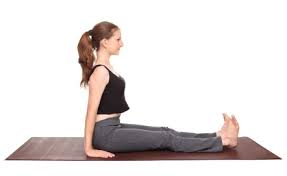
The Staff Pose is named after the Sanskrit word Danda, which means “staff” or “stick.” The pose symbolizes the spine as the central staff that supports the body and connects us to our inner energy. When you sit in Dandasana, your body resembles a staff—long, upright, and grounded in strength and steadiness. Many yoga masters describe this pose as the “measuring stick” for your posture because it reveals how aligned or misaligned your body truly is.
But what makes this seemingly simple posture so powerful is not only its physical aspect but also the discipline it brings to your mind. Sitting tall without collapsing the back or straining your shoulders teaches patience and awareness. It brings you into stillness and helps you feel every part of your body—from your rooted heels to your steady spine and your calm breath.
The Deep Meaning Behind Staff Pose
Every yoga posture carries more than just physical benefits. In Staff Pose, there is symbolism that connects body, mind, and spirit. The upright spine represents clarity and strength. The extended legs reflect grounding and stability. And the open chest symbolizes openness to life’s experiences.
This pose is also a reminder that strength is not always about movement or action. Sometimes, true strength lies in stillness. In that stillness, you discover balance—both physically and emotionally. When you sit in Staff Pose, you may feel that you are doing very little, yet you are doing something profound. You are creating harmony between effort and ease, a principle known in yoga as Sthira Sukham Asanam—steadiness and comfort in posture.
How to Perform Staff Pose (Dandasana)
Even though Staff Pose looks simple, it requires awareness and precision. Here’s how to perform it correctly:
- Sit on the floor with your legs extended straight in front of you.
- Bring your thighs together and press the backs of your legs into the floor.
- Flex your feet so your toes point upward and your heels press gently down.
- Place your palms beside your hips, fingers pointing forward.
- Lift your chest, lengthen your spine, and gently draw your shoulder blades down and back.
- Engage your core slightly to maintain the natural curve of your lower back.
- Keep your head in line with your spine, chin parallel to the floor.
- Hold this position and breathe deeply, feeling every inhale lengthen your spine and every exhale ground your body.
At first, holding Staff Pose for a few minutes may feel challenging. You might notice tightness in your hamstrings, shoulders, or back. But with practice, your body will gradually adapt, and your posture will improve naturally.
Common Mistakes in Staff Pose
Like any foundational pose, Staff Pose can easily be misunderstood or performed incorrectly, especially by beginners. Here are some common mistakes to avoid:
- Slumping Back: Allowing your lower back to collapse reduces the benefits of the pose. Instead, engage your core and lengthen through your spine.
- Locked Knees: Keep your legs active but don’t hyperextend the knees.
- Shoulders Hunched: Roll your shoulders back and down to open the chest.
- Feet Relaxed: Keep your feet flexed and active to engage the leg muscles fully.
- Tension in the Face or Neck: Keep your face soft and your breathing calm.
Benefits of Practicing Staff Pose
The benefits of Staff Pose go far beyond flexibility. It improves posture, strengthens your core and back, and teaches you how to align your body for better balance and control. Let’s explore these benefits more deeply:
- Improves Posture: By aligning your spine correctly, Dandasana helps counter poor sitting habits and back pain.
- Strengthens Core Muscles: It engages your abdominal and lower back muscles, creating a solid foundation for other yoga poses.
- Stretches Hamstrings and Calves: Keeping the legs extended and active promotes flexibility and blood circulation.
- Calms the Mind: The stillness of this pose encourages mindfulness and concentration.
- Improves Body Awareness: It teaches you how to recognize misalignments and self-correct.
- Enhances Breathing: A lifted chest and straight spine allow deeper, fuller breaths.
Many yoga practitioners underestimate Staff Pose, but it’s the foundation upon which more complex poses—like Seated Forward Bend, Headstand, or Boat Pose—are built. Without understanding Dandasana, your practice might lack the structure and awareness needed for balance and grace.
Modifications and Props
If you’re a beginner or find it difficult to sit upright due to tight hamstrings or hip flexors, don’t worry. Yoga welcomes everyone, and modifications are a way to honor your body where it is today.
You can:
- Sit on a folded blanket or a yoga block to raise your hips and make it easier to straighten your spine.
- Place your hands slightly behind you if your lower back feels tense.
- Use a yoga strap around your thighs or feet to help maintain alignment.
With time, as your flexibility and strength improve, you’ll notice your body naturally aligning into the pose without effort.
Emotional and Mental Impact of Staff Pose
Beyond physical alignment, the Staff Pose also has a deep emotional and psychological impact. The act of sitting tall and grounded creates a feeling of confidence and self-assurance. It helps you face challenges with calmness rather than anxiety.
In many traditional yoga teachings, the spine is seen as the path through which life energy, or prana, flows. When you align your spine correctly in Dandasana, you are allowing this energy to move freely, clearing mental fog and emotional blockages.
Practicing this pose daily can help you feel more focused, alert, and peaceful. It teaches patience, reminding you that progress in yoga and in life often comes from small, consistent efforts rather than sudden leaps.
Integrating Staff Pose into Your Daily Practice
You can perform Staff Pose at the beginning of your yoga routine to prepare your body for more complex asanas. It’s also ideal as a meditative seat for breathwork or short mindfulness sessions. Practicing Dandasana regularly strengthens your awareness of posture in everyday life—how you sit at your desk, how you stand, and even how you breathe.
The real power of Staff Pose lies not in how it looks, but in what it teaches. It invites you to slow down, to notice the subtle sensations of alignment, and to respect the simplicity that forms the base of every great thing.
The Spiritual Aspect of Staff Pose
Yoga is never just about movement; it’s a union between the physical and spiritual. Staff Pose teaches humility and inner strength. It’s a reminder that even when you’re still, energy is flowing through you. Your breath becomes your anchor, and your awareness becomes your strength.
In this stillness, you realize that even simple poses can hold deep wisdom. The steady spine symbolizes truth, the open chest represents courage, and the rooted legs reflect faith. When you practice this pose, you are not just sitting—you are meditating in motion.
When you sit in stillness and hold Dandasana, you might think you are doing nothing extraordinary, but in that quiet stability lies transformation. Let’s now unfold how this simple posture can influence every part of your life—physically, mentally, emotionally, and spiritually.
Building Strength and Awareness Through Stillness
In today’s fast-moving world, stillness is often mistaken for weakness. But in yoga, stillness is power. The Staff Pose embodies this power perfectly. Holding yourself upright with alertness trains your deep core and back muscles without any rapid movement. It refines your balance, posture, and endurance in ways that fast-paced exercises cannot.
The physical strength you develop through Staff Pose comes not from speed or resistance but from control. Every breath you take while holding this pose teaches you focus and steadiness. Your body becomes alert, your spine becomes a pillar of strength, and your mind learns to find peace amid effort.
When you practice this posture regularly, your muscles start remembering the alignment. Your spine naturally stays tall even outside your yoga mat. Whether you’re sitting at your desk or walking, the awareness you cultivate through Staff Pose becomes part of your daily movement.
The Breath Connection
One of the most beautiful aspects of Staff Pose (Dandasana) is how it harmonizes breath with posture. The act of sitting upright opens your lungs fully, allowing you to breathe deeply and evenly. With every inhale, you feel your spine lengthen and your energy rise. With every exhale, you feel your body ground deeper into the earth.
Breathing in this pose also has a calming effect on the nervous system. It activates the parasympathetic response—your body’s natural “rest and digest” mode—helping you feel calm, clear, and present. Over time, this conscious breathing enhances lung capacity and oxygen flow, improving concentration and emotional stability.
Many yoga practitioners use Dandasana as a seat for pranayama (breath control exercises) because it supports spinal alignment and allows unrestricted energy flow through the body. When your breath becomes steady, your thoughts follow the same rhythm, and peace naturally arises.
Deepening Your Staff Pose Practice
As you become more comfortable in Staff Pose, you can begin exploring ways to deepen your practice. The goal is not to make the pose harder, but to make it more meaningful—to connect with it on a deeper level.
Here are a few advanced variations and mindful techniques:
- Engage Bandhas (Energy Locks):
Slightly engage your Mula Bandha (root lock) and Uddiyana Bandha (abdominal lock) while sitting in Dandasana. This draws your energy upward and strengthens your core. - Add Arm Variations:
Lift your arms overhead with palms facing each other, keeping your shoulders relaxed. This variation stretches your torso and challenges your balance. - Combine with Forward Bends:
Transition from Dandasana into Paschimottanasana (Seated Forward Bend) to stretch your back and hamstrings. Use Dandasana as your anchor before and after deeper stretches. - Incorporate Breath Counting:
Inhale for four counts, exhale for six. This slows your mind and brings meditative awareness to the posture.
The more you practice Staff Pose, the more you’ll notice subtle improvements—not just in your flexibility or strength but in how calm and grounded you feel throughout your day.
Staff Pose as the Base for Other Asanas
Every strong structure begins with a solid foundation. The Staff Pose serves as that foundation for numerous seated postures in yoga. Once you master its alignment, transitioning into other poses like Forward Fold, Boat Pose, or Twist Poses becomes smoother and safer.
Think of Dandasana as the “home base” for seated postures. It teaches the alignment of the spine, engagement of the legs, and awareness of the breath that you carry into every other asana.
Here’s how Dandasana connects to some key poses:
| Pose Name | Relationship with Staff Pose | Primary Benefit |
|---|---|---|
| Seated Forward Bend (Paschimottanasana) | Begins from Dandasana and stretches forward from it | Deepens hamstring and back stretch |
| Half Lord of the Fishes Pose (Ardha Matsyendrasana) | Uses Dandasana alignment before twisting | Improves spinal mobility |
| Boat Pose (Navasana) | Builds from the core engagement of Dandasana | Strengthens abs and balance |
| Head-to-Knee Pose (Janu Sirsasana) | Starts in Dandasana with one leg folded | Enhances flexibility and focus |
The Psychological and Emotional Impact
Every posture in yoga holds the potential to teach us something about life. Staff Pose teaches stability and confidence. When you sit upright with your head lifted and shoulders open, you send a silent message to yourself: “I am strong, I am capable, I am centered.”
Emotionally, this pose helps release tension stored in the lower back and hips—areas where many people carry stress and fear. The simple act of sitting with awareness begins to dissolve that tension. With each breath, your nervous system relaxes, your heart rate stabilizes, and your thoughts slow down.
Regular practice of Staff Pose can help reduce anxiety and restlessness. It reminds you that peace is not found in escape, but in stillness. It invites you to sit with yourself, just as you are, and to find calm in your natural rhythm.
The Spiritual Lesson of Staff Pose
On a spiritual level, Staff Pose (Dandasana) symbolizes balance between strength and surrender. The staff represents both support and discipline. When your spine is upright, your energy channels align, allowing prana (vital energy) to move freely through the Sushumna Nadi—the central energy channel of the body.
This posture teaches that spirituality doesn’t always come from grand gestures or complex practices. Sometimes, the most profound awareness arises from simply sitting in stillness, breathing deeply, and observing.
For many yogis, Staff Pose becomes a meditative practice in itself. It connects you to the earth through your sitting bones and to the sky through the crown of your head. This balance between grounding and elevation represents the harmony between the physical and spiritual dimensions of life.
Common Challenges and How to Overcome Them
If you’re a beginner, it’s natural to feel discomfort in the hamstrings, lower back, or shoulders while holding Staff Pose. These challenges are not signs of weakness—they’re opportunities to learn about your body.
Here’s how to address them:
- If your hamstrings feel tight, place a folded blanket under your hips to elevate them.
- If your lower back rounds, slightly bend your knees until your spine can stay straight.
- If your arms feel strained, place your palms a little behind your hips for support.
- If your mind wanders, focus on your breath and the sensation of your spine lifting with each inhale.
Yoga is not about perfection; it’s about progress and awareness. Each time you sit in Dandasana, you’re building strength not only in your body but also in your patience and discipline.
Bringing the Wisdom of Staff Pose into Daily Life
The lessons of Staff Pose extend far beyond the yoga mat. It teaches mindfulness, posture awareness, and balance—qualities essential for daily living. When you learn to sit tall and still in Dandasana, you also learn to stay steady in life’s challenges.
- When work stress builds, pause, sit tall, and breathe deeply as if in Staff Pose.
- When emotions overwhelm you, ground yourself as you do in this posture—steady, calm, and aware.
- When you lose focus, remember your “staff”—your inner alignment—and return to your center.
The Final Reflection
At first glance, Staff Pose (Dandasana) may seem like the simplest of all yoga postures. But simplicity in yoga often hides the deepest truths. This pose teaches us that strength is born from stillness, that awareness can transform ordinary moments into sacred experiences, and that every posture begins with a solid foundation.
Practicing Staff Pose is not about chasing perfection. It’s about finding stability within yourself, about feeling your breath move through your body, and realizing that the power to align your life begins with aligning your spine.
When you sit tall in Dandasana, you embody patience, strength, and clarity. You become like a staff—unshakable, balanced, and filled with quiet energy.
So next time you step on your yoga mat, take a moment to pause in Staff Pose. Feel the earth beneath you, the breath within you, and the calm that unfolds in your stillness. Because in that moment, you’re not just sitting—you are growing, healing, and connecting with the deepest part of who you are.