
In a world that moves too fast, where we rush from one task to another, there’s a moment of stillness waiting quietly on your yoga mat — the moment you find yourself in Child’s Pose (Balasana). It’s not just a yoga posture. It’s a return to simplicity, to peace, and to the soft rhythm of your own breath. Whether you’re new to yoga or a seasoned practitioner, understanding and embracing Child’s Pose (Balasana) can transform the way you experience calm, comfort, and restoration.
Child’s Pose, known in Sanskrit as Balasana, comes from the word bala, which means “child,” and asana, meaning “pose.” Just as a child naturally rests in serenity and surrender, this posture invites you to release control and feel grounded. It is a resting pose — but more than that, it is a spiritual retreat within your practice.
Let’s dive into the meaning, benefits, steps, variations, and emotional essence of this deeply rejuvenating pose, exploring how it nurtures not only your body but also your mind and spirit.
The Origin and Philosophy of Child’s Pose (Balasana)
Yoga is more than exercise; it’s a philosophy of harmony between body, mind, and soul. Among hundreds of yoga poses, Child’s Pose (Balasana) is one of the most humble yet powerful. The posture embodies surrender — a conscious letting go of tension, ego, and fatigue. It reflects the innocence and trust of a child resting in comfort and safety.
In ancient yoga philosophy, Balasana is considered a posture of humility. It encourages introspection — a way to bow down not to weakness, but to inner peace. Yogis have practiced it for centuries to balance energy, reset focus, and release emotional strain.
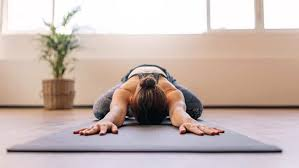
When you rest in Child’s Pose, you are symbolically returning to the womb of comfort, where you are protected and renewed. This emotional depth is why yoga instructors often guide students to Balasana during transitions between challenging poses. It reminds us that rest, too, is part of growth.
Step-by-Step Guide to Practicing Child’s Pose (Balasana)
Performing Child’s Pose (Balasana) doesn’t require physical strength; it requires intention. The beauty of this pose lies in its simplicity.
- Begin on your mat — Kneel down so that your big toes touch and your knees are slightly apart.
- Lower your hips — Gently rest your hips back toward your heels.
- Exhale deeply — As you breathe out, slowly fold your torso forward between your thighs.
- Stretch your arms — Extend your arms forward, palms facing down, feeling a long stretch through your spine. Alternatively, you can rest your arms alongside your body with palms facing upward for a more passive version.
- Rest your forehead — Let your forehead touch the mat. Close your eyes and soften your breath.
- Breathe naturally — Take slow, deep breaths in through your nose and exhale through your mouth. Feel the rhythm of your breath expand your back and calm your mind.
- Stay for a while — Remain in this pose for 30 seconds to several minutes, depending on your comfort.
You can make slight adjustments to suit your body — such as widening your knees for more space, placing a cushion under your torso for support, or resting your forehead on a block.
The Physical Benefits of Child’s Pose (Balasana)
Although Child’s Pose (Balasana) is gentle, it offers remarkable physical benefits. Every inch of the body that stretches and relaxes contributes to a deeper sense of rejuvenation.
- Stretches the spine — It elongates the back muscles and decompresses the spine, relieving tension caused by long hours of sitting or driving.
- Relieves tension in the neck and shoulders — By resting the forehead and relaxing the arms, Balasana eases stiffness and promotes better posture.
- Improves digestion — The gentle pressure on the abdomen can stimulate internal organs, aiding digestion.
- Opens the hips — The pose allows the hip joints to gently release tightness, improving flexibility over time.
- Promotes blood circulation — It encourages blood flow to the head and upper body, rejuvenating tired cells and refreshing the mind.
- Enhances joint mobility — Regular practice helps lubricate joints, especially in the knees and ankles.
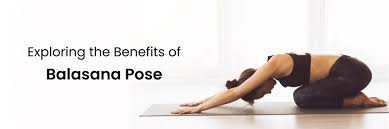
For many people, this simple posture brings immense physical relief — like pressing a reset button for the body.
The Mental and Emotional Healing in Child’s Pose (Balasana)
One of the most beautiful aspects of Child’s Pose (Balasana) is its emotional depth. In today’s restless world, the mind constantly races with thoughts — deadlines, responsibilities, noise. Balasana offers a pause, a sanctuary of silence.
When you fold forward, you symbolically let go. You surrender stress, anger, or anxiety to the ground. Your breath slows, your thoughts soften, and for a few moments, you simply exist.
Practicing Child’s Pose daily has been linked to:
- Reduced stress levels
- Lowered heart rate and blood pressure
- Emotional grounding and clarity
- Greater patience and mindfulness
It’s not just about the stretch — it’s about emotional release. People often describe a feeling of peace washing over them as they rest in this position. In yoga philosophy, this posture helps awaken the “parasympathetic nervous system” — the part responsible for rest and recovery.
This is why instructors often encourage staying in Balasana longer. It’s not just a pose; it’s therapy for the soul.
Modifications and Variations for Comfort
Every body is different, and the beauty of yoga lies in its adaptability. Child’s Pose (Balasana) has several variations to fit your comfort and purpose.
- Wide-Knee Child’s Pose — Widen your knees to create more space for your chest. This variation is great for deep relaxation.
- Extended Child’s Pose — Reach your arms forward fully and spread your fingers. It increases the stretch through the spine.
- Restorative Child’s Pose — Place a pillow or bolster beneath your chest and arms. Perfect for deep rest or when your back feels stiff.
- Side Stretch Child’s Pose — Walk your hands to one side while staying in Balasana to stretch your side body.
- Supported Child’s Pose — Use a blanket under your knees or ankles if you feel discomfort.
The goal isn’t perfection; it’s comfort. Yoga, especially poses like this, should meet you where you are.
Breathwork Within Child’s Pose (Balasana)
Breathing is the soul of yoga, and in Child’s Pose (Balasana), it becomes your silent companion. When you inhale deeply, your back expands like a wave. When you exhale, your body sinks deeper into the earth.
Try this simple breathing rhythm:
- Inhale for four counts — feel the air fill your lungs.
- Hold for a second — acknowledge your breath.
- Exhale for six counts — allow tension to melt away.
This mindful breathing helps connect your physical body with your inner self. Each breath carries away stress and brings peace, helping you rediscover a childlike sense of ease.
Integrating Child’s Pose (Balasana) into Your Yoga Routine
You can practice Child’s Pose (Balasana) anytime — as a warm-up, a resting posture between intense poses, or a closing pose to end your session. Many yoga teachers suggest beginning each session with Balasana to establish intention and focus.
If you’re doing it at home:
- Practice early in the morning to prepare your mind for the day.
- Try it in the evening to unwind and release the stress of the day.
- Combine it with meditation or calming music for a deeper experience.
Even if you only have five minutes, sitting quietly in Balasana can transform your mood and mindset.
The Emotional and Spiritual Symbolism Behind Child’s Pose (Balasana)
At first glance, Child’s Pose (Balasana) looks like a gentle forward fold, but spiritually, it represents surrender and humility. It symbolizes returning to your inner self — the pure, unburdened state of a child. The act of bowing down with your forehead touching the earth reminds you of gratitude, acceptance, and the art of letting go.
When you settle into this posture, you are not just stretching your body; you are allowing yourself to bow before life, acknowledging your limits, and yet feeling strength in softness. It’s a reminder that peace doesn’t come from force — it comes from release.
Many yoga practitioners describe Balasana as an inward journey — a moment when you stop chasing perfection and simply breathe. It nurtures your spirit the way still water reflects the sky — quietly and completely.
Practicing Awareness in Child’s Pose (Balasana)
The real depth of this pose emerges when you add mindfulness. As you sink into the position, try to shift your attention inward. Notice how your body feels with every breath. Observe the rise and fall of your back as your lungs expand and contract. Feel your heartbeat. Notice the weight of your body resting completely on the ground beneath you.
Try to stay present — if your mind drifts to worries or distractions, gently bring it back to your breath. Over time, this practice of returning to the moment will strengthen your mental calmness even outside the mat.
You can silently repeat affirmations such as:
- “I am safe.”
- “I am grounded.”
- “I am letting go of everything that no longer serves me.”
- “I return to my true self.”
Each breath, each repetition, builds peace and resilience.
Common Mistakes to Avoid in Child’s Pose (Balasana)
Even though Child’s Pose (Balasana) is simple, a few common mistakes can limit its benefits or cause discomfort. Let’s go through what to avoid and how to fix it.
- Forcing your hips to the heels — Not everyone’s hips are flexible enough to rest fully on the heels. Don’t push too hard. Instead, place a pillow or blanket between your thighs and calves for support.
- Tensing your shoulders or arms — The arms should remain soft and relaxed. If your shoulders feel tight, rest your arms beside your body instead of stretching them forward.
- Holding your breath — It’s easy to forget breathing when you’re focused on posture. Keep the breath flowing slowly and rhythmically.
- Knees too close together — Keeping your knees slightly apart helps your torso relax comfortably.
- Straining your neck — Ensure your forehead is supported. You can use a yoga block or folded towel to avoid pressure.
The essence of Balasana lies in comfort and ease. It’s a resting pose, not a performance.
How Long Should You Stay in Child’s Pose (Balasana)?
There’s no fixed rule for duration — it depends on your comfort and intention. Beginners can start with 30 seconds to 1 minute. Over time, you can extend to 5–10 minutes or even longer during restorative sessions.
If your purpose is physical relaxation, short holds are effective. If your goal is meditation and emotional grounding, longer durations with slow breathing bring deeper calm.
The key is to listen to your body. If at any point you feel discomfort, slowly rise and rest in a seated position before resuming.
Child’s Pose (Balasana) as a Daily Wellness Ritual
Making Child’s Pose (Balasana) part of your daily life can be truly transformative. You don’t need a full yoga class to experience its benefits. Just a few minutes a day can bring visible change.
Here’s how you can incorporate it into your daily routine:
| Time of Day | Purpose | How to Practice |
|---|---|---|
| Morning | To awaken the body and prepare for the day | Practice for 3–5 minutes with deep breaths before breakfast |
| Afternoon | To release physical tension from work or driving | Spend 2–3 minutes to stretch the back and reset posture |
| Evening | To calm the mind before bed | Combine 5–10 minutes with soft background music or meditation |
| Stressful moments | To center emotions | Close your eyes in Balasana for a minute to regain peace and focus |
This daily ritual helps you create a safe space within yourself — a moment where the noise of the world fades and stillness takes over.
Comparing Child’s Pose (Balasana) to Other Restorative Poses
While Child’s Pose (Balasana) is deeply relaxing, it complements other restorative postures beautifully. Each of these helps release tension and restore energy, but Balasana remains unique for its emotional comfort.
| Pose Name | Primary Benefit | Unique Feature |
|---|---|---|
| Child’s Pose (Balasana) | Calms the mind, releases spine tension | Symbolic surrender and emotional release |
| Corpse Pose (Savasana) | Full body relaxation | Deep meditation and stillness |
| Cat-Cow Pose (Marjaryasana-Bitilasana) | Improves spinal flexibility | Dynamic movement between two positions |
| Downward Dog (Adho Mukha Svanasana) | Strengthens arms and stretches back | Energizing rather than calming |
| Seated Forward Bend (Paschimottanasana) | Stretches hamstrings and lower back | Requires more flexibility and balance |
These poses, when practiced together, create a balanced yoga flow that nurtures both the body and the soul.
The Therapeutic Benefits for Modern Life
In today’s digital era, where hours are spent sitting in front of screens or driving, the spine, hips, and shoulders bear the brunt of stiffness. Child’s Pose (Balasana) counteracts these effects perfectly. It decompresses the spine, releases hip tension, and encourages better posture.
Emotionally, it acts as an antidote to stress. Many therapists and yoga instructors recommend Balasana as part of emotional therapy because it encourages the nervous system to relax. It’s especially helpful for people dealing with anxiety, insomnia, or fatigue.
The calming position of resting your forehead to the floor activates pressure points that reduce stress and promote focus. That’s why after practicing it regularly, you may notice better concentration, improved mood, and more restful sleep.
A Moment of Connection
One of the most profound elements of Child’s Pose (Balasana) is the feeling of connection — to the self, to the ground, and to the rhythm of the breath. Each time you rest in this pose, you return to the present. You’re not trying to achieve; you’re simply being.
This connection creates a quiet strength. You realize that even in stillness, there is movement — your breath flowing, your heart beating, your energy rebalancing. In a sense, Balasana becomes a mirror — reflecting peace when you choose to slow down and listen.
Building a Complete Yoga Session Around Child’s Pose (Balasana)
For those who wish to include Balasana as the heart of their yoga routine, here’s a sample flow you can follow:
- Start in Easy Pose (Sukhasana) for a few deep breaths.
- Move into Cat-Cow Pose (Marjaryasana-Bitilasana) to warm up the spine.
- Transition into Downward Dog (Adho Mukha Svanasana) for a stretch.
- Flow gently into Child’s Pose (Balasana) — hold for 5 minutes.
- Slowly rise into Cobra Pose (Bhujangasana) to awaken the chest.
- Return again to Child’s Pose (Balasana) to settle your energy.
- End with Corpse Pose (Savasana) for final relaxation.
This flow balances effort and rest — the essence of yoga itself.
Words from the Heart
There’s a reason Child’s Pose (Balasana) is often called the “pose of surrender.” In it, you are reminded that slowing down is not giving up. It’s healing. It’s self-compassion.
Every time you kneel down, place your forehead to the ground, and breathe — you’re reconnecting with a part of yourself that is calm, pure, and untouched by chaos. You are choosing peace over pressure, stillness over speed.
For car lovers who live life at full throttle, this pose is your pit stop — the place where you refuel your energy and return with greater clarity. It teaches balance, reminding us that even powerful engines need time to cool before racing again.
Final Thoughts on Child’s Pose (Balasana)
Child’s Pose (Balasana) isn’t about flexibility or strength — it’s about trust. It teaches you that power isn’t always loud; sometimes it whispers softly through stillness.
So next time life feels overwhelming, find your mat, kneel down, fold forward, and breathe. Let gravity hold you. Let peace surround you. In that quiet moment, as you rest your heart on the earth, remember that this simple act of surrender can awaken the deepest strength within you.
Because true balance isn’t found in movement — it’s discovered in stillness. And in that stillness, Child’s Pose (Balasana) becomes not just a yoga posture, but a gentle reminder of how beautiful it is to simply be.