
Hello there,
Let’s talk about foundation. It’s a concept that resonates deeply, whether you’re admiring the wide, stable track of a high-performance vehicle or the deep, anchoring roots of an ancient tree. In a world that often feels like it’s moving at the speed of light, we have become experts in living from the waist up—in our heads, our screens, our thoughts. We have, in many ways, forgotten the profound wisdom and strength that resides in our lower bodies, in our connection to the earth.
Today, we are going to explore a yoga posture that invites us to remember. It’s a pose that calls us back to our roots, to a sense of primal stability and grounded calm. This is Garland Pose, or Malasana. At first glance, it is a simple deep squat. But to step into it, to truly inhabit it, is to begin a beautiful and transformative conversation with your own body about release, openness, and coming home.
If you’ve ever watched a young child play, you’ve seen this pose naturally. It is our birthright. It is the natural resting position for the human body, a blueprint for stability we carry within us but have often forgotten through years of sitting in chairs and wearing raised heels. Garland Pose is not about achieving something new; it is about reclaiming something ancient and essential that already belongs to you.
For anyone who appreciates the elegance of engineering, think of Garland Pose as a fundamental recalibration. It’s like realigning the suspension of your body. It brings everything back to its natural geometry, releasing compression in the spine, creating space in the joints, and restoring fluidity to movements that have become stiff and restricted. This pose is a masterclass in foundational strength, and its benefits ripple out to touch every aspect of your life.
The Essence of the Pose: What is Garland Pose?
The name, Malasana, comes from the Sanskrit words ‘Mala’, meaning ‘garland’ or ‘necklace,’ and ‘Asana’, meaning ‘pose’ or ‘posture.’ There are a few beautiful interpretations of this name. Physically, when you are in the pose, your arms can wrap around your legs, and your hands can come to prayer at your heart, your body forming a loop reminiscent of a garland. Energetically, it can be seen as a pose that helps to clear away internal and energetic “waste” or impurities, much like a mala is used in meditation to focus the mind and clear away distraction.
But the true essence of Garland Pose is one of grounding. It is a deep hip opener and a powerful stretch for the ankles, groins, and back torso. While it may look simple, for many adults in the modern world, it presents a significant challenge. This is not a sign of weakness, but rather an indicator of where we hold our tension, our stress, and our sedentary patterns. The journey into Garland Pose is therefore a journey of release, of letting go of the physical armoring that keeps us feeling tight, restricted, and disconnected from our base.
The Emotional and Energetic Heart of the Pose
In the landscape of yoga, hip-opening postures like Garland Pose are often associated with the second chakra, the Svadhisthana, which is linked to our creativity, our sense of flow, and our ability to process and release emotions. The hips are famously referred to as the “junk drawer” of the body—a place where we unconsciously store unresolved feelings, stress, and trauma.
When you begin to open the hips through a pose like Malasana, you are not just stretching a muscle. You are inviting a release on a much deeper level. It can be an emotional experience. You might feel a sudden wave of frustration, a pang of sadness, or a surprising sense of liberation. This is all part of the process. Garland Pose asks you to squat low to the ground, to make yourself small and compact, which can feel vulnerable. But in that vulnerability lies its greatest power. It teaches you that true strength is not always about standing tall and being rigid; it can be found in softening, in yielding, in getting low to the earth and finding an unshakeable stability from that place of humility.
It is a pose of surrender and strength, all at once. It says, “I am willing to get down, to release what no longer serves me, so that I may rise again with greater freedom and ease.”
The Symphony of Benefits: Why Your Body and Mind Need Garland Pose
The gifts of this humble squat are vast and profound, affecting you from your internal organs to your state of mind.
For Your Physical Body:
- Releases the Hips and Groins: This is its primary physical gift. It stretches the adductors (inner thighs), the deep external rotators of the hips, and the glutes, combating the tightness created by prolonged sitting.
- Improves Ankle and Knee Health: It increases mobility and stability in the ankles and knees, promoting healthy joint function and circulation.
- Aids Digestion and Elimination: The gentle compression of the abdomen in the squatting position acts as a massage for the internal organs, stimulating digestion and supporting healthy elimination. Squatting is, after all, the body’s intended position for this function.
- Strengthens the Core and Back: Holding the pose requires and builds core strength, while also lengthening and decompressing the lower back, offering relief from compression and pain.
- Prepares for Childbirth: For women, this is a classic prenatal pose as it helps to open the pelvis.
For Your Mind and Spirit:
- Cultivates Patience and Compassion: This pose can be humbling. It teaches you to meet your body where it is, without forcing it. This practice of patience on the mat translates directly into more compassion for yourself and others off the mat.
- Grounds a Busy Mind: The low, stable, earth-hugging nature of the pose has a powerful calming effect on the nervous system. It pulls your awareness down out of a frantic mind and into the stability of the body, alleviating anxiety and stress.
- Fosters a Sense of Rootedness: In a world that can feel chaotic and uncertain, Garland Pose offers a tangible way to feel grounded, stable, and secure. It is a physical reminder that you are supported by the earth beneath you.
This is the profound potential that lies within this deep, restorative squat. Garland Pose is an invitation to come home to yourself, to clear out the old and make space for the new. In Part 2, we will move from the “why” to the “how.” We will walk through, step by compassionate step, how to safely and effectively approach Garland Pose, using props and variations to make it accessible for every body, on every kind of day.
Preparation: Creating a Supportive Environment
Before we descend into the pose, let’s set the stage for success and comfort. Gathering a few simple props can transform your experience from one of frustration to one of supported discovery.
- Gather Your Props: Have two yoga blocks or a stack of thick books handy. A firm blanket or a rolled-up mat can also be very useful. These are not crutches; they are your intelligent assistants, helping you find proper alignment without strain.
- Find Your Foundation: Stand on your mat. Take a moment to close your eyes and feel your feet connecting to the ground. Imagine roots growing from the soles of your feet, anchoring you deeply into the earth. Take three full, conscious breaths here.
The Step-by-Step Journey into Garland Pose
Let’s build this pose with care, honoring your body’s needs today.
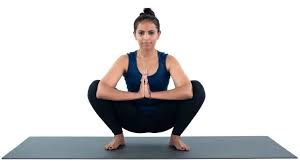
Step 1: Find Your Stance
- Begin standing with your feet about mat’s width apart, or slightly wider. Turn your toes out to a comfortable angle, usually about 45 degrees. There is no single perfect angle; it depends on your unique anatomy. The goal is for your knees to track in the same direction as your toes when you bend down.
Step 2: The Supported Descent (This is Key!)
- This is the most important step for a safe and positive experience. Place your yoga blocks on their lowest height, just behind your feet. You will use these as a seat.
- As you exhale, begin to bend your knees and lower your hips down toward your blocks. Go slowly. If you feel any sharp pain in your knees or hips, stop immediately.
- Lower yourself until your sitting bones are resting comfortably on the blocks. Your heels may lift off the floor—this is completely normal and expected for most beginners. Allow it.
Step 3: Integrate the Upper Body
- Once you are seated on the blocks, bring your palms together at your heart center in a prayer position. This is Anjali Mudra.
- Now, use your elbows to gently press your knees apart. Don’t force it; think of it as an invitation for your hips to open. You should feel a stretch, but not a strain.
- Keep your spine long. Imagine the crown of your head lifting toward the ceiling to avoid rounding your back excessively.
Step 4: Breathe and Explore
- This is your supported Garland Pose. Hold here for 5-10 deep breaths.
- With every inhale, feel your spine lengthen. With every exhale, feel a sense of release in your hips and groins. Surrender to the support of the blocks and the ground beneath you.
Navigating Your Unique Body: Adaptations for a Perfect Fit
Your body is unique. Here is how to tailor the pose to meet you where you are.
- Tight Ankles/Heels Lift? This is the most common challenge. Solution: Place a rolled-up blanket or mat under your heels. This provides the lift needed to maintain balance and find the stretch in your hips without stressing your ankles. This is a game-changer.
- Knee Discomfort? Solution: Ensure your knees are tracking in line with your toes. Use more height under your sitting bones (stack two blocks). The higher your seat, the less demand on your knees. You can also place a rolled-up washcloth behind the knee crease for a sense of support.
- Feeling Unstable? Solution: Practice with your back against a wall. This provides feedback and support, allowing you to focus on the hip opening without worrying about balance.
- Want a Deeper Stretch? If the supported version feels easy, you can slowly begin to reduce the height of your blocks. Eventually, you may be able to remove them entirely, lowering your hips toward the floor while keeping your spine long.
The Journey is the Destination
Practicing Garland Pose is a beautiful dialogue with your own body. Some days you will feel open and low, other days you will feel tight and high. Both are perfect. The true success of your practice is not measured by how low your hips go, but by how present and compassionate you can be with wherever they are.
This pose is a powerful teacher of humility and resilience. It reminds us that growth often happens not when we push forcefully, but when we learn to yield intelligently. It shows us that the path to true freedom and strength often involves getting low, releasing what we’ve been carrying, and remembering the simple, profound support of the earth.
Preparing Your Sacred Space: Setting the Stage for Success
Before we begin our physical practice, let’s create an environment that supports both your body and spirit. Think of this as preparing your personal garage or workshop – a space where you can tune your body’s engine without rush or pressure.
First, gather these simple tools that will transform your practice from a struggle into a supported exploration:
- One or two yoga blocks (or thick, stable books of similar height)
- A firm blanket or folded towel
- A wall for support (optional but highly recommended for beginners)
- Perhaps a small cushion for knee comfort
These are not crutches. These are your intelligent assistants, like the specialized tools a master mechanic uses to properly care for a fine automobile. They allow you to find proper alignment without strain, making your practice both safe and deeply effective.
Now, find a quiet moment where you won’t be rushed. Come to standing on your mat, and let’s begin with three conscious breaths. Feel your feet connecting to the ground beneath you. Imagine roots growing from your soles, reaching deep into the earth, establishing your foundation before we move into deeper exploration.
The Step-by-Step Journey Into Your Garland Pose
Let’s approach this pose as we would any sophisticated machinery – with patience, respect, and attentive care to detail.
Step 1: Finding Your Foundation
Begin with your feet about hip-width apart, or slightly wider if that feels more natural. Turn your toes out to a comfortable angle, usually between 30 to 45 degrees. There’s no single perfect position here – listen to what feels stable for your body. The key principle is that your knees should be able to track in the same direction as your toes when you bend down.
Step 2: The Supported Descent (The Heart of the Practice)
This is where we honor your body’s current needs. Place your yoga blocks on their lowest height, positioned just behind your feet where your hips will naturally descend.
As you exhale, begin to bend your knees and lower your hips toward the blocks. Move slowly, with the same care you’d use lowering a precious vehicle onto a lift. If you feel any sharp pain in your knees or hips, stop immediately – this is your body’s intelligent warning system.
Lower until your sitting bones make comfortable contact with the blocks. It’s completely normal and expected for your heels to lift off the floor at this stage. Allow this to happen without judgment.
Step 3: Integrating Upper Body and Breath
Once comfortably seated on the blocks, bring your palms together at your heart center in a prayer position. This gesture, called Anjali Mudra, creates a beautiful circuit of energy in your upper body.
Now, gently use your elbows to press your knees apart. Think of this not as forcing an opening, but as inviting your hips to release. You should feel a noticeable stretch, but never pain or sharp sensation.
Keep your spine long and dignified. Imagine a golden thread lifting the crown of your head toward the ceiling, creating beautiful space between each vertebra.
Step 4: The Art of Being Present
This is your supported Garland Pose. Hold here for 5-10 complete breaths. With each inhalation, feel your spine grow a little longer. With each exhalation, imagine releasing tension from your hips, groins, and lower back like you’re letting go of weights you’ve been carrying for too long.
Meeting Your Body Where It Is: Compassionate Adaptations
Every body is different, and every day brings new needs. Here’s how to customize your Garland Pose experience:
For Tight Ankles or Heels That Won’t Stay Down:
This is perhaps the most common challenge, and there’s a beautiful solution. Place a rolled-up blanket or mat under your heels. This simple adjustment provides the lift needed to maintain balance and find the stretch in your hips without stressing your ankles. This small modification can transform your entire experience with the pose.
For Knee Sensitivity:
Ensure your knees are tracking in line with your toes throughout the movement. Use more height under your sitting bones – you can stack two blocks or use a thicker book. The higher your seat, the less demand on your knees. You can also place a rolled-up washcloth behind your knee creases for additional support and comfort.
For Balance Concerns:
Practice with your back against a wall. This provides valuable feedback and support, allowing you to focus on the hip opening without worrying about stability. It’s like having training wheels as you learn the unique balance of this pose.
When You’re Ready to Go Deeper:
If the supported version begins to feel comfortable, you can gradually reduce the height of your blocks. Eventually, you might remove them entirely, lowering your hips toward the floor while maintaining the length in your spine and the openness in your hips.
Weaving Garland Pose Into the Tapestry of Your Life
The true magic of this practice reveals itself when it moves off your mat and into your daily life. Consider these ways to integrate the spirit of Garland Pose throughout your day:
- Use it as a counterpose to long periods of sitting. Just 30 seconds in Garland Pose can reset your hips and spine after an hour at a desk.
- Practice it while waiting for your morning coffee to brew, using the kitchen counter for support if needed.
- Incorporate it into your gardening or playing with children on the floor.
- Use it as a moment of grounding when you feel overwhelmed or anxious – the low, stable position has an almost immediate calming effect on the nervous system.
The Continuous Journey of Discovery
Practicing Garland Pose is an ongoing conversation with your body. Some days you will feel open and expansive, easily sinking deep into the pose. Other days you might feel tight and restricted, needing all the support your props can offer. Both experiences are equally valuable.
The true measure of your success in this pose isn’t how low your hips descend, but how present and compassionate you can be with wherever they are today. This pose teaches us the profound lesson that growth isn’t always about pushing forward – sometimes it’s about yielding, releasing, and making space for new possibilities.
As you continue to explore Garland Pose, you may notice subtle shifts not just in your body, but in your approach to life itself. The patience you cultivate on the mat may help you respond more thoughtfully in challenging conversations. The stability you find in your foundation may help you stand your ground with more confidence. The release you experience in your hips may help you let go of old emotional patterns that no longer serve you.
So I invite you to approach your mat with open curiosity. Let go of expectations and embrace the unique journey of your body. Remember that every time you practice, you’re not just stretching muscles – you’re reclaiming your birthright to move freely, to release what you’ve been carrying, and to remember the deep, unwavering stability that resides within you.