
Introduction: The Hidden Weight We Carry in Our Hips
The hips tell stories our voices often forget to share. They hold the weight of long days spent sitting, of emotions we never had time to feel, and of movements we postponed for “someday.” When that tension builds, it doesn’t just limit flexibility—it steals energy and calm.
Yin yoga offers a different kind of freedom. It’s not about sweating or striving; it’s about slowing down until the body and mind finally meet in silence. Through a carefully designed yin yoga sequence for hips, we learn how to surrender—not only physically, but emotionally. The hips become a doorway to release what we’ve been carrying for years.
Understanding Yin Yoga: The Practice of Surrender
In the world of modern fitness, many yoga classes move fast, demanding strength and endurance. Yin yoga is the opposite. It targets the deeper connective tissues—ligaments, fascia, and joints—through long, passive holds, usually lasting three to five minutes per pose.
Rather than “doing” a pose, you settle into it. The muscles soften so that gravity and breath do the work. Over time, this stillness allows energy to flow through pathways known in Chinese medicine as meridians, bringing balance to organs and emotions.
Yin yoga teaches that stillness is not the absence of progress—it’s the foundation of it.
Why the Hips Hold Emotional Tension
Anatomically, the hips are a meeting point of major muscle groups: the psoas, glutes, and hip rotators. Emotionally, they’re also where we store unresolved feelings—fear, grief, frustration. When something unsettling happens and we “brace ourselves,” the body literally tightens around the hips.
This is why hip-opening yin poses can feel intense or unexpectedly emotional. As the physical layers release, old emotions rise to the surface. The practice becomes a quiet act of healing.
The Science Behind Yin Yoga and Hip Mobility
Holding gentle stress on connective tissue triggers a process called mechanotransduction—cells sense the slow stretch and remodel the tissue to become more hydrated and resilient.
At the same time, extended exhalations activate the parasympathetic nervous system, lowering heart rate and cortisol levels.
The result: increased hip mobility, better posture, and a calmer nervous system. For anyone who spends hours sitting or struggling with hip stiffness, a consistent yin yoga sequence for hips restores balance where rigidity once ruled.
Preparing for Your Yin Yoga Practice
Before you start, set a mood of quiet respect for your body.
- Environment: Choose a peaceful space with soft lighting.
- Props: Gather a bolster or two firm pillows, a folded blanket, and optional yoga blocks.
- Timing: Avoid eating right before practice. A slightly empty stomach encourages deeper breathing.
- Mindset: Promise yourself patience. Yin yoga is not a flexibility contest—it’s a conversation between breath and resistance.
Complete Yin Yoga Sequence for Hips
Below are ten foundational postures arranged from gentle to deeper releases. Each includes setup, duration, and variations.
Table 1. Overview of Yin Yoga Poses for Hips and Their Benefits
| Pose | Primary Target | Suggested Hold | Key Benefits |
| Butterfly Pose | Inner thighs, lower back | 3–5 min | Opens groin, calms nervous system |
| Sleeping Swan | Outer hips, glutes | 3–4 min each side | Deep hip opener, emotional release |
| Dragon Pose | Hip flexors, quads | 2–4 min each side | Improves mobility for sitting/walking |
| Square Pose | Outer hips, piriformis | 3 min each side | Relieves sciatica tension |
| Half Frog | Inner thighs, psoas | 3–5 min | Opens front of hips, lengthens quads |
| Caterpillar Pose | Spine, hamstrings | 3–5 min | Soothes lower back, quiets mind |
| Shoelace Pose | Outer hips, IT band | 3–5 min each side | Balances both hips, releases glutes |
| Reclined Bound Angle | Inner thighs | 5 min | Promotes circulation, gentle heart opening |
| Happy Baby | Hip joints, groin | 3 min | Relieves lower-back compression |
| Savasana | Whole body | 7–10 min | Integrates practice, total relaxation |
1. Butterfly Pose (Baddha Konasana Variation)
How to Do It:
Sit on the floor, bring the soles of your feet together, and let the knees drop out. Slide the heels comfortably away from the pelvis and fold forward, resting hands or forearms on the ground.
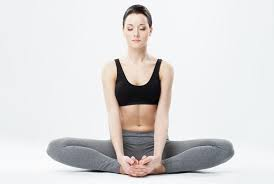
Support: Place a bolster or folded blanket under your knees if they hover uncomfortably high.
Feel: A soft stretch through inner thighs and lower back.
Stay: 3 to 5 minutes.
Why It Helps:
This gentle opener improves blood flow in the pelvic area and signals safety to the nervous system. It’s often the perfect way to begin a yin yoga sequence for hips, preparing the body for deeper work.
2. Sleeping Swan (Pigeon Pose Variation)
How to Do It:
From tabletop position, bring your right knee forward and your right foot toward your left hip. Extend the left leg back, keeping hips level. Fold forward onto a bolster.
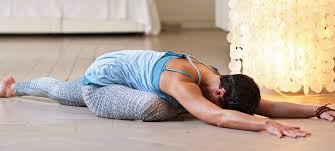
Feel: A deep, satisfying stretch through the glutes and outer hip.
Stay: 3–4 minutes each side.
Why It Helps:
Sleeping Swan targets the piriformis and gluteal muscles, key areas where emotional stress hides. The supported forward fold allows tension to dissolve gradually.
3. Dragon Pose
How to Do It:
Step your right foot forward into a low lunge, back knee resting on a blanket. Hands can stay on the floor or blocks.
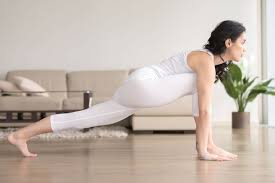
Variation: For more intensity, place both forearms on a bolster.
Feel: Stretch along the hip flexor of the back leg.
Stay: 2–4 minutes each side.
Why It Helps:
Perfect for people who sit long hours, Dragon Pose reopens the front of the hips and encourages circulation through the lower spine. It also brings emotional heat—breathe through the challenge rather than fighting it.
4. Square Pose (Agnistambhasana)
How to Do It:
Sit tall and stack the right shin over the left, ankle over knee. Use props to fill gaps if the knees lift high. Lean forward slightly.
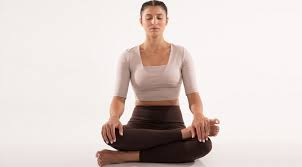
Feel: Outer-hip stretch with mild compression in the joints.
Stay: 3 minutes each side.
Why It Helps:
Targets the deep rotators, especially the piriformis. In yin terms, this pose balances the gallbladder meridian, which governs decision-making and emotional courage.
5. Half Frog Pose
How to Do It:
Lie face down, bring your right knee out to the side, bent at 90 degrees. Support the knee and thigh with a blanket if needed.
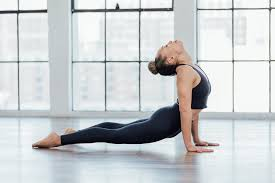
Feel: Gentle opening of the inner thigh and psoas.
Stay: 3–5 minutes each side.
Why It Helps:
Half Frog works quietly but powerfully on the adductors, releasing inner-hip tightness caused by prolonged sitting or cycling.
Deep Healing Through Yin — The Complete Yin Yoga Sequence for Hips
6. Butterfly Pose (Baddha Konasana) – Softening the Inner Groin
The Butterfly Pose is a heart-touching expression of surrender.
Sit tall with the soles of your feet together and knees falling outward. Allow gravity to gently pull your thighs toward the floor. This simple pose opens the inner groins, hip flexors, and the adductors—areas that carry much of your emotional tension.
Hold this pose for 3–5 minutes, resting your elbows on your thighs or floor.
Remember to breathe slowly, and with each exhale, imagine the walls of emotional resistance melting away.
| Pose Name | Target Area | Duration | Emotional Benefit |
| Butterfly Pose | Inner groin, adductors | 3–5 minutes | Releases inner emotional tightness, encourages self-acceptance |
7. Lizard Pose (Utthan Pristhasana) – Unlocking Emotional Depth
Lizard Pose is often called “the emotional detox pose.”
From a low lunge position, drop your elbows to the mat inside your front leg. Let your hips sink deeply, feeling a powerful stretch through the hip flexors and psoas.
This pose is particularly beneficial for those who spend long hours sitting.
It awakens the hips and clears blocked emotional energy associated with stress, anxiety, and even past trauma.
Stay here for 4–6 minutes.
You might feel discomfort, not pain — that’s your body’s story unfolding. Breathe and listen.
| Pose Name | Target Area | Duration | Physical Benefit |
| Lizard Pose | Psoas, hip flexors | 4–6 minutes | Improves hip flexibility, detoxifies stress energy |
8. Dragonfly Pose (Wide-Legged Forward Fold) – Expanding Inner Space
The Dragonfly Pose is a deeply restorative posture that challenges both body and mind.
Sit with your legs spread wide apart and gently lean forward, resting your hands, elbows, or even your forehead on a pillow.
This position gently stretches the hamstrings, inner thighs, and lower back, which directly connect to the hips.
Emotionally, this pose invites stillness and humility, teaching you to let go of the need to control everything.
Hold this for 5–7 minutes and focus on slow, rhythmic breathing.
| Pose Name | Body Focus | Hold Time | Mind Connection |
| Dragonfly Pose | Hamstrings, hips | 5–7 minutes | Encourages surrender and patience |
9. Half Frog Pose (Ardha Bhekasana) – Balancing Strength and Softness
This is a gentle hip-opener and lower-back reliever.
Lie on your stomach, bring one leg out to the side, and bend it at a 90-degree angle while keeping the other leg straight.
It’s subtle, but you’ll feel a deep stretch along your inner thigh and hip.
Stay here for 3–4 minutes on each side, breathing into the tight areas.
It’s a beautiful way to remind yourself that healing often happens in stillness, not effort.
10. Sleeping Swan Pose (Pigeon Variation) – Letting Go Fully
If the body had a language of release, this would be it.
The Sleeping Swan Pose is the heart of every yin yoga sequence for hips.
Start in Pigeon Pose, then gently fold forward, resting your forehead on your hands or a cushion.
You might feel sensations in your outer hip, glute, and piriformis — muscles often locked with emotional residue.
This pose brings immense emotional clarity, and sometimes even tears. That’s okay — it means your body is releasing what words cannot.
Stay here for 5–7 minutes per side and breathe deeply.
| Pose Name | Key Muscles Stretched | Emotional Release |
| Sleeping Swan Pose | Glutes, outer hip, piriformis | Clears emotional stagnation, encourages compassion |
11. Supine Twist (Supta Matsyendrasana) – Realigning Energy Flow
As you finish the deep hip work, the Supine Twist realigns your body and restores equilibrium.
Lie on your back, bring one knee across your body, and let your gaze fall to the opposite side.
This twist detoxifies the spine, stimulates digestion, and releases emotional stress stored in the hip and abdomen region.
Hold for 2–4 minutes on each side, and let your exhale guide the release.
12. Final Pose: Savasana (Corpse Pose) – Integration and Peace
Every Yin session ends in Savasana, the silent space where everything you’ve released finds its place.
Lie still, palms facing upward, eyes closed.
Allow yourself to feel gratitude, lightness, and peace in your hips — the foundation of your emotional stability.
Stay here for 8–10 minutes.
This stillness is not an end, but a new beginning — where body and mind reconnect in balance.
| Pose Name | Purpose | Time | Emotional Outcome |
| Savasana | Full-body integration | 8–10 minutes | Complete emotional renewal, deep calm |
Why the Hips Store So Much Emotion
Your hips are not just joints — they’re emotional vaults.
When you experience grief, stress, or fear, your body contracts. The hips — being central and weight-bearing — often store these sensations as muscle tension.
According to yogic philosophy, the hips are linked to the sacral chakra (Svadhisthana) — the energy center governing emotions, relationships, and creativity.
By practicing a yin yoga sequence for hips regularly, you don’t just stretch your muscles; you unlock emotional energy, leading to a lighter and more connected life.
Building Your Personalized Yin Yoga Sequence for Hips
Here’s a suggested weekly plan to bring consistency and progress:
| Day | Focus Area | Key Poses | Duration |
| Monday | Hip Flexors | Dragon Pose, Lizard Pose | 30 min |
| Wednesday | Inner Thighs | Butterfly, Dragonfly Pose | 35 min |
| Friday | Outer Hips | Sleeping Swan, Half Frog Pose | 30 min |
| Sunday | Full Release | All poses + Savasana | 45 min |
The Emotional Transformation You’ll Feel
As you commit to this yin yoga sequence for hips, something magical happens.
Your posture improves, your hips open, but more importantly — you start feeling again.
You’ll notice a quiet courage arising, a softness that doesn’t mean weakness, but wisdom.
Many practitioners describe feeling “lighter” after just a few sessions. That’s because you’re not only stretching — you’re letting go of emotional stories your body held onto for years.
Final Thoughts: The Healing Journey Through Yin Yoga Sequence for Hips
Healing through yin yoga sequence for hips isn’t just about flexibility; it’s about emotional freedom.
In every long, quiet hold, your body whispers truths your mind forgot to hear. You learn patience, surrender, and compassion for yourself.
You’ll realize that the hips are not tight because of weakness — they’re tight because they’ve been protecting you. Yin yoga teaches you to thank them, breathe into them, and then set them free.
So, roll out your mat, dim the lights, and begin.
Because your healing doesn’t start when the pose is perfect — it starts the moment you let go.