
When most people imagine yoga, they picture graceful poses, peaceful breathing, and a quiet mind. But what often goes unnoticed are the humble tools that make these transformations possible — yoga blocks and straps. These simple yet powerful props are not just accessories; they are your silent partners on the mat, offering support, stability, and the freedom to move deeper into your practice without strain.
Whether you are a beginner trying to touch your toes or an advanced practitioner refining your alignment, yoga blocks and straps can transform your entire experience. They remind us that yoga isn’t about perfection—it’s about progression. Let’s dive into how these underrated tools can open your body, steady your balance, and help you feel more connected with yourself.
1. The Essence of Yoga Props: Why They Matter
Yoga props exist to bridge the gap between where your body is and where it can be. They are not signs of weakness; they are symbols of awareness. Using yoga blocks and straps means you understand your limits and respect them while working to expand them.
When we use these tools, we honor our body’s individuality. Everyone’s flexibility, strength, and proportions are different, and props help equalize that difference. They turn frustration into curiosity and stiffness into comfort.
A yoga block can lift the floor closer to your hands. A strap can extend your reach when your arms fall short. Together, they help create perfect alignment and steady breathing — the foundation of every safe and rewarding practice.
2. Understanding Yoga Blocks: Your Foundation of Support
Yoga blocks are often made of foam, cork, or wood. Their purpose is simple yet profound — to bring the floor to you.
When performing standing poses like Triangle (Trikonasana) or Half Moon (Ardha Chandrasana), a yoga block helps maintain proper alignment without collapsing your spine or forcing a stretch. In seated poses like Forward Fold (Paschimottanasana), placing a block under your sit bones can tilt your pelvis forward, allowing a deeper and more comfortable stretch.
Here’s how a block can support you at different levels:
| Pose | How a Yoga Block Helps | Benefit |
|---|---|---|
| Triangle Pose | Place block under your lower hand | Encourages spinal length and prevents overstretching |
| Bridge Pose | Place block under lower back | Offers gentle backbend support and relaxation |
| Hero Pose | Sit on a block | Reduces knee pressure and improves posture |
| Forward Fold | Place block under hands | Allows flexibility without strain |
Every time you use a yoga block, you are teaching your body patience, alignment, and presence — the true essence of yoga.
3. Exploring Yoga Straps: The Bridge Between Effort and Ease
A yoga strap is like an extra set of arms. It helps you connect where your body can’t yet reach. Whether you are working on hamstring stretches, shoulder openers, or balance poses, straps make each practice safer and more effective.
For instance, in Seated Forward Bend, wrapping a strap around your feet helps you keep your back straight while deepening the stretch safely. In Dancer’s Pose (Natarajasana), it assists you in holding your lifted foot without losing balance or straining your shoulder.
Here’s how a strap enhances various poses:
| Pose | Use of Strap | Purpose |
|---|---|---|
| Seated Forward Fold | Loop around feet | Lengthens spine and improves hamstring flexibility |
| Dancer’s Pose | Hold lifted foot with strap | Deepens backbend safely |
| Cow Face Pose | Connect hands behind back | Improves shoulder mobility |
| Reclined Leg Stretch | Strap around one foot | Helps isolate and stretch hamstrings |
Using a strap doesn’t make you less advanced—it makes you more mindful. It encourages you to listen to your body rather than push it beyond comfort.
4. The Emotional Journey: Confidence Through Support
Many people step onto their mats feeling limited—by flexibility, strength, or self-doubt. But yoga blocks and straps gently whisper: You are capable, and you are enough right now.
When you place a block under your hands or use a strap to extend your reach, you’re saying yes to self-compassion. You are telling your body that you’ll meet it where it is. That simple act of kindness builds confidence over time.
There’s something profoundly emotional about realizing you can finally reach a pose that once seemed impossible. These tools remind us that growth isn’t about forcing—it’s about trusting the process.
5. Yoga for All: Making Practice Inclusive
One of the most beautiful things about yoga is that it welcomes everyone — regardless of age, flexibility, or body type. Props like yoga blocks and straps make that inclusivity real.
Seniors can use them to practice safely and comfortably. Beginners can explore poses without injury. Advanced yogis can refine alignment and deepen mindfulness.
Imagine an elderly person using a block to support their balance in Warrior II or a beginner using a strap to open tight shoulders — in both cases, the props create freedom, not dependency.
The purpose of yoga props is not to make the poses easier; it’s to make them accessible and sustainable.
6. How to Choose the Right Yoga Blocks and Straps
Choosing quality props can enhance your entire experience. Here’s what to look for:
For Yoga Blocks:
- Material: Foam blocks are light and soft; cork blocks offer firmness and eco-friendliness; wooden blocks provide solid, traditional support.
- Size: Standard blocks (9x6x4 inches) suit most people, but choose smaller or larger depending on your hand size and flexibility.
- Texture: Look for a non-slip surface for better grip during sweaty sessions.
For Yoga Straps:
- Material: Cotton straps are soft and durable. Nylon straps resist stretching.
- Length: A 6- to 8-foot strap works best for most poses.
- Buckle: Choose between D-ring and cinch buckles for secure length adjustment.
7. Building a Home Practice with Props
Practicing with yoga blocks and straps at home can transform your personal yoga journey. You don’t need a fancy studio — just your mat, an open mind, and your props.
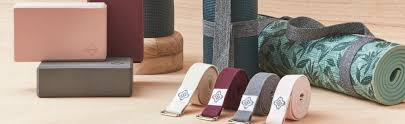
Here’s a simple home routine to try:
- Mountain Pose (Tadasana) – Ground yourself with a block between your thighs to engage your core.
- Downward-Facing Dog (Adho Mukha Svanasana) – Use blocks under your hands for wrist relief.
- Seated Forward Fold – Wrap the strap around your feet to ease into the stretch.
- Bridge Pose – Place a block under your lower back for gentle support.
- Reclined Leg Stretch – Use the strap to lift one leg at a time and release tension.
These small additions can make your home practice more enjoyable and sustainable.
8. The Science Behind Support: How Props Improve Body Mechanics
When we use yoga blocks and straps, we’re not only improving comfort — we’re enhancing body awareness and alignment. Research in movement science shows that props reduce compensatory strain and promote symmetrical muscle engagement.
For example, using a block under your lower hand in Triangle Pose helps maintain an aligned spine and distributes the workload evenly. Similarly, a strap helps prevent overextension in hamstring stretches.
This mindful support encourages better posture, stronger muscles, and fewer injuries.
9. Mindfulness in Motion
Yoga is as much about the mind as it is about the body. Props invite mindfulness by slowing you down and allowing you to feel every breath and micro-movement.
Every time you place your hand on a block or tighten your strap, you become more aware of your alignment and sensations. This deep awareness fosters focus and tranquility, turning a physical exercise into a moving meditation.
10. Overcoming Ego in Practice
Many practitioners avoid props out of pride, thinking they make them look like beginners. But true yoga is not about appearance; it’s about connection.
Using yoga blocks and straps humbles us in the best way. It reminds us that growth doesn’t happen through ego—it happens through honesty. When we let go of judgment and embrace support, we embody the heart of yoga itself.
11. Practical Techniques for Deepening Your Practice
Now that we’ve explored how yoga blocks and straps can support you, let’s go deeper into practical ways to use them for various levels — from beginner to advanced.
Props are not there to make yoga simpler; they are there to make it smarter. The right technique allows your body to grow safely and steadily, helping you deepen each pose with balance and intention.
For Beginners: Building Confidence and Alignment
Beginners often struggle with flexibility or balance, but that’s where yoga blocks and straps shine.
- Downward-Facing Dog: Place your hands on blocks to relieve wrist pressure and lengthen your spine.
- Standing Forward Fold: Keep a block under each hand if your palms don’t reach the floor.
- Reclined Leg Stretch: Use a strap around one foot to safely open your hamstrings.
- Bridge Pose: A block under the lower back turns it into a gentle restorative pose.
Each time you use a prop, your body learns new patterns — building flexibility, stability, and self-trust.
For Intermediate Yogis: Refining Control and Focus
If you’ve been practicing for a while, yoga blocks and straps can help refine your form and strengthen your concentration.
- Triangle Pose (Trikonasana): Adjust the block height to find the perfect spinal alignment.
- Warrior III (Virabhadrasana III): Balance with a block under your fingertips to stabilize your hips.
- Seated Twist: Sit on a block to elevate your spine for a longer, cleaner rotation.
- King Pigeon Pose: Use a strap to reach your back foot and gently deepen the backbend.
With these tools, you’re not just holding poses — you’re feeling every muscle and breath in harmony.
For Advanced Yogis: Expanding Awareness
Even the most experienced practitioners use props to refine their awareness.
- Handstand Prep: Use a block between your hands to engage shoulder alignment.
- Crow Pose: Place a block under your forehead as a safety support while learning balance.
- Full Wheel Pose: Hold a strap around your wrists to maintain shoulder-width distance and avoid strain.
Mastery isn’t about letting go of props; it’s about knowing when and how to use them for ultimate precision.
12. Emotional Benefits: How Props Build Inner Strength
Beyond physical alignment, yoga blocks and straps teach emotional resilience. They remind us that asking for help is a strength, not a weakness.
Every time you reach for a block or tighten a strap, you’re reinforcing patience, humility, and gratitude. You begin to appreciate progress in small steps rather than chasing perfection.
This mindset extends beyond the mat. You become more patient with yourself in life’s challenges, more grounded in decisions, and more compassionate toward others.
Yoga props nurture both your physical and emotional stability — turning every session into a quiet journey of self-discovery.
13. How Yoga Props Prevent Injury
Injuries often occur when practitioners push too hard or ignore alignment. Props act as preventive tools, ensuring your practice remains safe.
For instance:
- A block under the hand in Half Moon Pose stabilizes the pelvis and spine.
- A strap in Seated Forward Fold prevents overreaching and protects the lower back.
- Sitting on a block during meditation reduces strain on knees and hips.
These small adjustments can prevent years of wear and tear on joints and muscles. The wisdom lies in recognizing when your body needs support — and offering it willingly.
14. Restorative Yoga with Blocks and Straps
Restorative yoga is about deep relaxation and gentle stretching. Props make this possible by supporting the body completely, allowing it to release tension without effort.
Here are a few poses perfect for yoga blocks and straps:
| Pose | Prop Setup | Benefit |
|---|---|---|
| Supported Bridge | Block under sacrum | Relieves back pain and calms nerves |
| Reclined Butterfly | Strap around feet, blocks under knees | Opens hips and reduces stress |
| Legs Up the Wall | Block under hips | Improves circulation and relaxation |
| Supine Twist | Block under knee | Encourages gentle spinal rotation |
These restorative poses can be done after a long day to rejuvenate your mind and body.
15. Combining Props for Maximum Effect
One of the most powerful things about yoga blocks and straps is how they complement each other. Used together, they enhance balance and depth simultaneously.
Try this simple sequence:
- Seated Forward Fold: Sit on a block for spinal lift, use a strap around feet for reach.
- Warrior III: Hold a block in your hands while maintaining stability with the core.
- Reclined Hamstring Stretch: Use strap around foot, block under head for comfort.
- Bridge Pose: Place block under lower back, strap around thighs to keep knees aligned.
This combination teaches harmony — support from the block, connection through the strap, and balance from within.
16. The Mental Shift: From Resistance to Acceptance
At first, some people resist props, feeling they’re unnecessary or that using them means “they’re not good enough.” But as you grow in your practice, you realize something beautiful — props are a metaphor for life.
We all need support at times. We all have moments where reaching out makes us stronger. When you embrace yoga blocks and straps, you also embrace the idea that growth comes from acceptance, not resistance.
With time, the props stop feeling like external tools. They become extensions of your own awareness.
17. Expert Insights: What Yoga Teachers Say
Many expert instructors advocate for props because they enhance safety and deepen practice.
- Judith Hanson Lasater, a pioneer of restorative yoga, calls props “instruments of compassion.”
- Iyengar Yoga, founded by B.K.S. Iyengar, revolutionized yoga with systematic prop usage, emphasizing alignment and precision.
- Modern teachers highlight that props build longevity — they allow yogis to practice for decades without injury.
Using yoga blocks and straps isn’t just modern convenience; it’s rooted in deep, time-tested wisdom.
18. Creating an Empowering Practice Space
If you’re building a home yoga corner, investing in quality yoga blocks and straps is essential.
Keep them near your mat as visual reminders that support is always within reach. Add a candle, a soft mat, and calming music to create a sacred environment for practice.
When your surroundings feel nurturing, your body naturally relaxes — and your practice becomes a form of self-love rather than a task.
19. Sustainable and Eco-Friendly Choices
The world is becoming more conscious about sustainability, and yoga is no exception. When choosing yoga blocks and straps, consider eco-friendly materials like cork, recycled foam, or organic cotton.
Eco-conscious props not only support your body but also align with your values — turning your practice into a statement of mindfulness for the planet.
Cork blocks are biodegradable, firm, and have a natural grip, while cotton straps are durable and washable. This thoughtful choice connects your inner peace with outer responsibility.
20. Transformation Beyond the Mat
The lessons learned through yoga blocks and straps go far beyond flexibility and balance. They teach adaptability, mindfulness, and humility.
When you learn to modify a pose with care, you also learn to adapt in life’s challenges. When you choose alignment over ego, you practice integrity. When you use support wisely, you learn the strength of surrender.
Every session becomes a reflection of how you approach your world — with awareness, patience, and self-compassion.
21. Common Mistakes to Avoid
While props are wonderful, a few mistakes can limit their effectiveness:
- Using the wrong height: Too high or too low can disrupt alignment.
- Neglecting breath: Don’t let props make you mechanical; stay mindful.
- Depending too much: Remember, props guide you — they don’t do the work for you.
Awareness is key. Use them with intention, not out of habit.
22. A 10-Minute Daily Routine Using Yoga Blocks and Straps
Here’s a simple yet powerful routine anyone can follow at home:
- Mountain Pose (Tadasana) – Block between thighs, engage legs and core (1 minute)
- Forward Fold – Blocks under hands, breathe deeply (1 minute)
- Seated Forward Bend – Strap around feet, elongate spine (2 minutes)
- Bridge Pose – Block under lower back, gentle lift (2 minutes)
- Reclined Twist – Block under bent knee for support (2 minutes)
- Savasana – Strap around thighs to relax legs, block under head (2 minutes)
This short sequence builds strength, flexibility, and calm — proof that even a few minutes with yoga blocks and straps can bring immense change.
23. Final Thoughts: A Journey of Support, Strength, and Self-Discovery
In the end, yoga blocks and straps are far more than simple tools. They are gentle companions guiding you toward balance — not just in your body, but in your heart.
They remind you that every stretch is progress, every breath is growth, and every act of self-support is a declaration of love toward yourself.
No matter your age, ability, or experience, these humble props make yoga more inclusive, empowering, and deeply personal. They symbolize the essence of yoga itself — connection, awareness, and grace.
So, the next time you step on your mat, reach for your block and strap not as crutches, but as symbols of wisdom. Let them remind you that strength doesn’t come from doing everything alone — it comes from knowing how to find balance, ask for help, and grow with purpose.
Because true yoga isn’t about touching your toes.
It’s about what you learn on the way down.
So, ph77… Not bad, not amazing. Middle of the road kinda stuff. Games loaded quickly enough but I have nothing much to comment. Check ph77 if you got the time!